

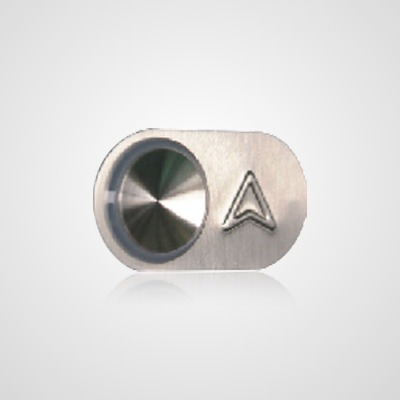
Choosing elevator controls for a commercial building requires more thought than simply selecting a button that looks attractive. Elevator components need to withstand frequent use while remaining easy to understand and accessible to different passengers.
Office towers, hotels, hospitals, shopping centers, and residential buildings can have very different requirements. Understanding these differences can help building owners and elevator professionals select suitable controls.
Consider Building Traffic
Start by estimating how frequently the buttons will be used.
A small residential elevator may receive relatively limited traffic, while an elevator in a busy commercial building can operate continuously throughout the day.
High-traffic environments generally benefit from buttons designed for repeated activation and regular cleaning.
Choose a Durable Material
The button’s material should match the environment.
Stainless steel is commonly used for elevator controls because it offers a professional appearance and can withstand regular handling.
Other materials may be suitable depending on the design, budget, and performance requirements.
The surrounding faceplate should also be considered because the button and panel should provide a consistent appearance.
Think About Accessibility
Accessibility should be part of the selection process from the beginning.
Tactile characters and Braille help passengers identify elevator controls through touch. U.S. accessibility standards specify requirements for tactile identification and Braille on elevator car controls.
Button placement, height, contrast, and visual indicators can also affect usability.
Consider Button Size
Button size can influence both appearance and usability.
Standard-size buttons may be appropriate for compact elevator panels. Larger buttons can be easier to identify and press, particularly in busy public environments.
Large or bar-style buttons may also be useful for emphasizing important floor selections.
Don’t Ignore Illumination
Illuminated buttons provide useful feedback.
When a passenger presses a floor button, the illuminated indicator can show that the request has been registered. Different lighting configurations are available, including single and dual illumination systems.
Lighting can also improve visibility in elevators with darker interiors.
Match the Building’s Design
Elevator controls are visible parts of the interior, so their appearance should complement the overall design.
A luxury hotel may prefer polished or premium finishes, while an industrial building may prioritize simple, highly durable controls.
Modern buttons are available in various shapes, finishes, lighting styles, and faceplate combinations.
Check Electrical Compatibility
A button can look perfect and still be unsuitable if it is incompatible with the elevator control system.
Before ordering, confirm electrical specifications such as voltage, contact configuration, connection method, and indicator requirements.
For replacement projects, matching the existing panel dimensions and mounting method can also reduce installation complications.
Consider Vandal Resistance
Public elevators may be exposed to rough handling, intentional damage, or heavy use.
In such environments, vandal-resistant construction can increase the useful life of the controls. Some modern elevator buttons use robust stainless-steel fronts and are designed for demanding public applications.
Maintenance and Cleaning
Elevator buttons require regular cleaning because they are among the most frequently touched surfaces inside a lift.
Choose materials and finishes that can tolerate the cleaning routine used in the building.
The cleaning solution should always be compatible with the button’s surface to avoid discoloration or finish damage.
Replacement and Retrofitting
When upgrading an existing elevator, complete replacement of the control panel may not always be necessary.
Some modern buttons are designed specifically for retrofit applications and can replace older buttons with minimal modification.
Before ordering replacement components, measure the existing cutouts and confirm mounting requirements.
Final Thoughts
Selecting elevator push buttons requires consideration of durability, accessibility, appearance, illumination, electrical compatibility, and maintenance.
By evaluating the building’s traffic and user requirements first, property owners and elevator professionals can select controls that provide a practical balance of performance and design.
