

Choosing a floor coating is not simply a matter of selecting your favorite color. A flooring system needs to match the environment where it will be installed.
A busy warehouse has different requirements from a retail store, garage, restaurant, or office. Traffic, moisture, chemicals, cleaning methods, appearance, and expected service life should all be considered before choosing an epoxy system.
Assess the Floor First
Before selecting a coating, inspect the existing substrate.
Concrete should generally be structurally sound and properly prepared. Existing cracks, contamination, moisture problems, damaged areas, and old coatings should be identified before installation.
Ignoring substrate problems can result in poor adhesion and premature coating failure.
Consider Traffic Levels
Traffic is one of the most important factors.
A residential garage may experience relatively moderate traffic, while a factory floor may be exposed to forklifts, heavy equipment, carts, and constant movement.
Higher-traffic environments may require a more robust epoxy system with suitable thickness and abrasion resistance.
Think About Chemical Exposure
Some floors are exposed to oils, solvents, cleaning chemicals, or industrial substances.
If chemical exposure is expected, check the resistance properties of the proposed coating before installation.
Not every epoxy formulation provides the same chemical resistance, so the material should be selected according to the substances likely to contact the floor.
Select the Right Color
Color affects more than appearance.
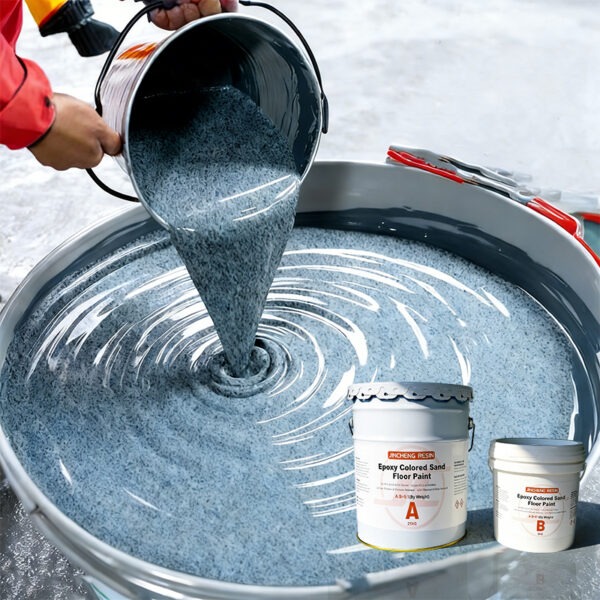
A colored epoxy floor coating can be selected to complement an interior design or create visual separation between different areas.
For example, a facility can use different colors for pedestrian walkways, production zones, storage areas, and restricted spaces.
Consider Texture and Slip Resistance
A perfectly smooth floor may not be appropriate for every environment.
Areas exposed to water, oils, or other liquids may benefit from a flooring system with additional texture or slip-resistant properties.
Decorative aggregates can sometimes provide both visual interest and functional texture.
Evaluate Cleaning Requirements
Different facilities have different cleaning routines.
Hospitals, food-related facilities, workshops, and commercial spaces may require frequent cleaning. A seamless epoxy surface can make routine cleaning easier because there are fewer joints and gaps where dirt can accumulate.
Always ensure that the selected cleaning chemicals are compatible with the coating.
Indoor or Outdoor Use?
The intended location also matters.
Many epoxy systems are designed primarily for interior environments. Outdoor areas can be exposed to ultraviolet radiation, weather changes, moisture, and temperature fluctuations.
If the floor will be exposed to direct sunlight or outdoor conditions, choose a system specifically designed for those requirements.
Installation Conditions Matter
Temperature and humidity can influence epoxy installation and curing.
Following the manufacturer’s recommended application conditions is important. Applying epoxy outside the recommended temperature or moisture range can affect curing, adhesion, and final appearance.
Professional installers can also identify substrate issues that may not be obvious to property owners.
Calculate Long-Term Value
The cheapest coating is not always the most economical option.
A lower-cost system may require earlier repairs or replacement if it is not suitable for the environment.
Instead, consider the expected service life, maintenance requirements, resistance properties, installation costs, and performance under actual operating conditions.
Final Thoughts
Choosing an epoxy floor coating requires a balance between appearance and performance. Consider the substrate, traffic, chemicals, moisture, cleaning requirements, color, texture, and environmental conditions before making a decision.
When the coating system is properly matched to the application and professionally installed, it can provide an attractive and durable flooring solution for many years.
