

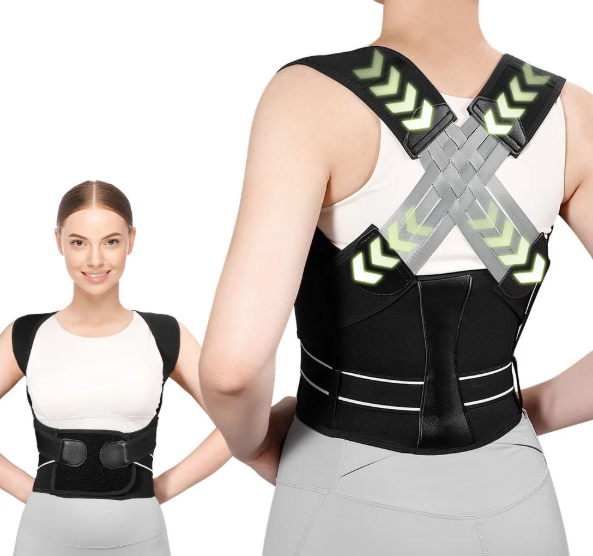
Back discomfort can make ordinary activities feel more difficult. Whether you’re sitting at a desk, working around the house, exercising, or spending long hours on your feet, having the right type of support can make a noticeable difference in comfort. A back brace can provide additional support around the lower back and may help you feel more stable during everyday activities.
The Fivali Back Brace is designed for people looking for convenient back support that can be worn during daily routines. Its purpose is to provide a supportive fit while allowing the wearer to continue moving comfortably.
What Is a Fivali Back Brace?
A Fivali Back Brace is a wearable support designed to fit around the waist and lower-back area. Like other back-support products, it can provide compression and stability while you are going about your normal activities.
The main appeal of a back brace is its simplicity. Instead of changing your daily routine, you can wear the brace underneath or over clothing, adjust it to your preferred fit, and continue with your activities.
However, a back brace should not be considered a replacement for professional medical advice. Persistent or severe back pain may require evaluation by a qualified healthcare professional.
Why Do People Use Back Braces?
People choose back braces for several different reasons. Some want additional support while working, while others prefer wearing one during activities that place extra demands on the lower back.
Common reasons include:
- Supporting the lower-back area during daily activities
- Providing a feeling of stability while moving
- Helping maintain awareness of posture
- Offering adjustable compression around the waist
- Providing additional support during light physical tasks
- Making prolonged periods of standing or sitting more comfortable
The experience can vary from person to person, so choosing a comfortable fit is important.
Comfort and Fit Matter
A back brace needs to feel secure without becoming unnecessarily restrictive. If it is too loose, it may move around during activity. If it is too tight, it can become uncomfortable and may make normal movement difficult.
When selecting a Fivali Back Brace, pay attention to the available sizing information and measure your waist according to the manufacturer’s instructions. The correct size can make a significant difference in how the brace feels throughout the day.
It’s also worth considering the material and construction. A lightweight design may be preferable if you plan to wear the brace for extended periods, while adjustable fastening can make it easier to achieve a personalized fit.
Using a Back Brace During Everyday Activities
A back brace can be incorporated into many everyday routines. Someone who spends several hours at a desk might use it when they want additional awareness of their lower-back position. Someone who works on their feet may prefer extra support during certain activities.
For general use, it is a good idea to start gradually. Wear the brace for a shorter period and pay attention to how your body responds. If it causes pain, numbness, tingling, breathing difficulty, or significant discomfort, remove it and seek appropriate professional guidance if needed.
A brace should support your normal movement rather than prevent it.
Can a Back Brace Replace Good Posture?
No. A back brace should not be viewed as a substitute for healthy movement habits.
Good posture, regular movement, appropriate exercise, ergonomic adjustments, and adequate rest can all play a role in maintaining back comfort. If you spend much of your day sitting, for example, adjusting your chair and monitor position and taking regular movement breaks may be just as important as using a support product.
Think of a back brace as one possible tool rather than the complete solution to back discomfort.
Who Might Consider a Fivali Back Brace?
A back brace may appeal to adults who want additional lower-back support during everyday activities. It can be particularly convenient for people who spend significant amounts of time sitting, standing, walking, or performing light physical tasks.
However, individual needs are different. People with an existing injury, serious back condition, recent surgery, or unexplained pain should consult a healthcare professional before relying on a brace.
Tips for Getting the Most From Your Back Brace
To make your experience more comfortable, keep a few simple points in mind:
Choose the right size: Always follow the manufacturer’s sizing instructions rather than guessing.
Adjust it properly: The brace should feel supportive without being excessively tight.
Maintain normal movement: Avoid using a brace so tightly that it restricts comfortable movement.
Keep it clean: Follow the manufacturer’s care instructions to maintain the material and fastening components.
Listen to your body: Discomfort, numbness, tingling, or worsening symptoms are signs to stop using the brace and consider professional advice.
Don’t rely on it exclusively: Combine supportive products with healthy movement and appropriate lifestyle habits.
Final Thoughts
The Fivali Back Brace can be a practical option for people seeking additional lower-back support during everyday activities. Comfort, adjustability, sizing, and proper use are important factors to consider when choosing any back-support product.
A back brace is best viewed as part of a broader approach to back care rather than a guaranteed solution for pain. Paying attention to posture, staying active, taking movement breaks, and seeking professional advice when symptoms persist can all contribute to better long-term back health.
