

The modern business landscape runs almost entirely on digital information. According to recent forecasts by the International Data Corporation (IDC), the world is on track to generate a staggering 700 zettabytes of data by 2030. Within individual companies, a recent survey by Salesforce found that enterprise organisations are seeing their internal data volumes grow by roughly 25 percent every single year. Yet, despite this immense wealth of information, industry studies indicate that businesses waste approximately 80 percent of the data they generate. Much of this loss stems from outdated, manual data handling methods that create significant administrative bottlenecks and obscure valuable business insights.
To combat the rising tide of digital information and mitigate these administrative bottlenecks, forward-thinking organisations are actively upgrading their technological infrastructure. One of the most effective ways to centralise and secure massive information workflows is by deploying dedicated Enterprise data collection software. These specialised technological solutions allow legal, IT, and compliance teams to seamlessly gather necessary information across the entire corporate network without disrupting daily business operations. This software-driven approach ensures that all gathered information is highly accurate, securely stored, and easily accessible when required for internal audits or external investigations.
The Hidden Costs of Poor Data Management
Relying on manual processes for gathering and sorting information is no longer a viable strategy for growing companies. When employees are tasked with manually inputting and categorising vast amounts of internal documents, human error is simply inevitable. These minor mistakes compound over time, leading to severe financial consequences and operational delays for the entire business.
To understand the true scale of this issue, business leaders only need to look at the financial impact of inaccurate corporate records. Recent research reveals that poor data quality costs organisations an average of $12.9 million per year, as highlighted in recent industry statistics on data quality. This staggering figure underscores the urgent need for companies to abandon manual spreadsheets and ad-hoc gathering techniques in favour of more reliable digital systems.
Furthermore, failing to securely manage this growing volume of information exposes companies to severe cybersecurity and compliance risks. With the Office of the Australian Information Commissioner (OAIC) reporting over 1,200 data breach notifications recently, maintaining tight control over corporate information has never been more critical.
Upgrading to Automated Workflows
Implementing dedicated digital systems allows corporate teams to drastically reduce the time spent searching for and compiling legal or operational records. In fact, businesses that deploy automated tools often achieve an average 30 percent reduction in their overall data processing times.
For professionals interested in modernising their daily operations, exploring comprehensive guides on software and digital tools is an excellent first step toward building a more efficient workplace. Automating tedious business operations frees up staff members to focus on higher-level analytical tasks rather than getting bogged down in manual administrative duties.
Core Benefits of Software-Driven Data Gathering
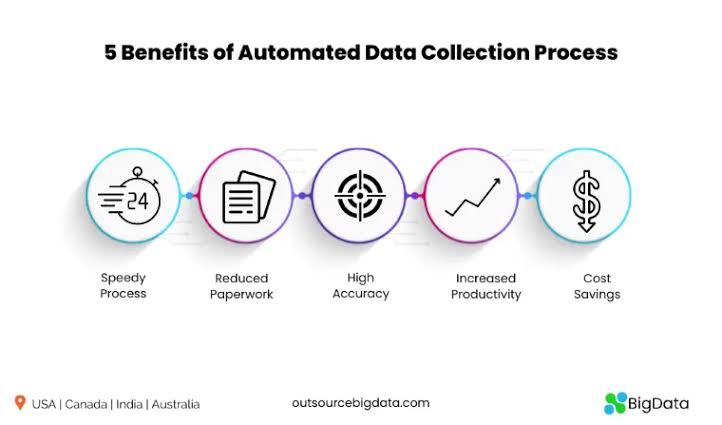
Transitioning to an automated framework provides several distinct advantages that directly impact a company’s bottom line and overall security posture. The most notable benefits of modernising your data collection processes include:
- Improved Accuracy: Implementing automated platforms can result in a 25 percent decrease in data errors simply by removing the common mistakes associated with manual data entry.
- Enhanced Regulatory Compliance: Automation helps businesses maintain strict data minimisation practices. This ensures compliance with the latest Australian Privacy Principles (APPs), protecting organisations from penalties related to excessive data retention.
- Reduced Legal Costs: Legal discovery is notoriously expensive. Automated metadata filtering allows organisations to identify critical records early in the process, mitigating the high costs tied to the manual document review process.
- Better Resource Allocation: By speeding up the collection process, IT and security teams can dedicate more hours to active threat monitoring and system improvements.
Preparing for the Digital Future
As privacy regulations tighten globally and corporate data volumes continue to swell, traditional methods of gathering information are quickly becoming obsolete. The Australian Government’s ongoing privacy reforms signal intense regulatory pressure on corporate entities to adopt highly defensible, software-driven tracking workflows. Additionally, strict regulatory deadlines regarding automated decision-making systems mean businesses must act swiftly to update their internal privacy policies.
Organisations that embrace software automation today will not only protect themselves from costly data breaches and regulatory penalties, but they will also unlock the full analytical potential of their information. By investing in the right digital solutions now, businesses can build a resilient, efficient, and data-driven foundation for the future.
