

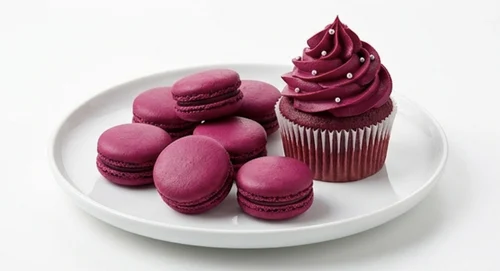
Black carrots do not look particularly dramatic from a distance. Cut one open, though, and the depth of its purple-red color becomes obvious. That intensity is one reason black carrot-derived ingredients attract attention when manufacturers are developing naturally coloured foods.
Still, a strong-looking raw material does not guarantee a particular result in every recipe. Once the color meets acids, flavors, processing conditions and the food’s existing shade, the finished appearance can move in a different direction. Development therefore needs to happen in the product, not beside it.
Decide Which Shade You Are Chasing
Red, purple and burgundy can sit surprisingly close together when several samples are lined up.
Before trials begin, establish what the finished product is meant to look like. A berry beverage may need a deep red-purple appearance, while confectionery could be targeting something brighter.
Keep an approved reference nearby. Asking a development team to make the next batch “a little more purple” is much less useful than giving everyone the same physical target to compare.
Understand Why Acidity Matters
Black carrot contains anthocyanin pigments. One important characteristic of anthocyanins is that their visible color can respond to pH.
That means Black Carrot color should be tested under conditions that resemble the finished formulation. A sample prepared at one acidity level may not accurately represent a product whose pH is later adjusted.
Record pH alongside color observations during development. If another part of the recipe changes, those notes make it easier to understand why the shade may have shifted too.
Use the Actual Food Base
A color solution in a clear laboratory container can be useful for early screening. It should not become the final approval sample.
The real product may contain fruit preparations, proteins, sweeteners, flavor systems or other ingredients with color of their own. An opaque base will also display an added shade differently from a transparent beverage.
Prepare an uncolored control using the complete recipe. Put it beside the coloured trial. That simple comparison often explains differences that otherwise get blamed entirely on dosage.
Do Not Treat Concentrate as a Finished Shade
When working with Black Carrot Concentrate, the appearance of the ingredient itself is not the appearance consumers will necessarily see.
What matters is how the selected solution performs at the intended use level inside the application. Developers should consider supplier guidance, processing requirements and the surrounding formulation when setting up trials.
This is also why judging a concentrate by looking at it in its container provides limited practical information. The finished food is the relevant test environment.
Change One Variable, Then Look Again
Color development becomes confusing when several adjustments happen in the same batch.
Suppose a sample looks too red. The team changes the color dosage, reduces an acid and alters a flavor component simultaneously. The next trial looks better, but nobody knows which change mattered.
Controlled experiments may seem slower, yet they create answers. Adjust one useful variable, record the result and then decide what should happen next.
Those records become especially valuable when the product reaches scale-up.
Give Processing a Chance to Affect the Result
The color should experience the same manufacturing journey as the food.
If heating, cooling or another processing step is involved, do not approve the shade beforehand. Complete the normal process and then evaluate it.
Note when the color was added and how long key processing stages lasted. When a commercial batch behaves differently from a laboratory trial, these details provide somewhere sensible to start investigating.
Keep Samples for Later
The day a batch is produced is only one moment in its life.
Set aside appropriate samples for stability observations and check the appearance during the expected shelf-life period. Packaging and storage conditions should resemble the commercial situation where practical.
Use reasonably consistent lighting during comparisons. A subtle shade difference can appear much larger when one sample is viewed in daylight and another under warm artificial light.
Conclusion
Black carrot-derived color is most useful when developers stop judging it as a standalone ingredient and start watching how it responds to the food around it. Acidity, the natural color of the base and processing all contribute to the final red-purple impression.
A good trial therefore needs a recipe, a reference and enough time to see what happens after production day. Manufacturers exploring black carrot solutions can review the relevant product information through foodrgb.com and then let their own formulation determine whether the resulting shade is the right one.
