

Moving money between a bank account and a trading account is one of those small parts of investing that can become frustrating when the two are completely separate. You may have funds in the bank but need to transfer them before placing a trade, or sell an investment and then wait for the proceeds to reach your bank account.
A linked system can make the process easier. If one’s banking and investment accounts are linked, transferring money from one account to another may require fewer steps. However, you need to know what “instant” means, since fund transfers and transaction settlement happen at different times.
What Happens When Your Bank and Broker Are Linked?
A linked banking and investment setup connects the account you use to hold your money with the accounts used for trading and holding securities.
For example, a three-in-one account combines banking, trading, and demat facilities. This can make it easier to move funds when you want to invest without manually managing separate accounts.
When you make a purchase, your funds move through the banking connection that you have established. When you decide to sell your investments, you get access to your money depending on the respective settlement period.
The biggest advantage is convenience; however, keep in mind that not all transactions settle instantly.
What Does Instant Fund Transfer Actually Mean?
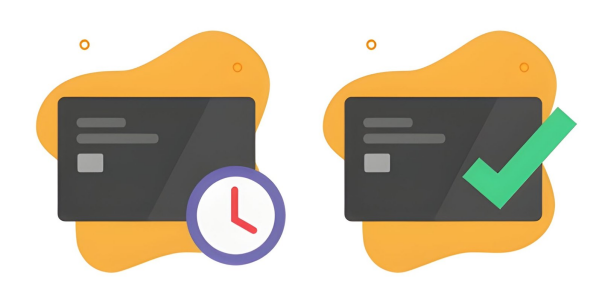
The term “instant” can be slightly misleading. There is a difference between transferring funds between linked accounts and settling a stock market transaction.A bank-to-broker fund transfer may happen quickly when the accounts are connected. However, when you buy or sell shares, the transaction itself follows the settlement cycle prescribed for the relevant market.
For investors, this distinction matters. Seeing a sale reflected in your trading account does not necessarily mean you can withdraw the proceeds to your bank account immediately.
Adding Funds Before Buying Shares
Suppose you want to buy shares worth ₹20,000. With separate accounts, you may first need to transfer the required amount from your bank account to your trading account. Depending on the transfer method, this can involve additional steps.
Linked systems make funding much easier. All you need to do is log in to your trading account, choose an investment, and transfer funds through the banking link the system provides. Once the order is executed and settled, the shares are credited to your demat account.
What Happens When You Sell Shares?
The process works in the opposite direction when you sell.
You place a sell order through your broker, and once the transaction is executed, the securities and funds go through the applicable settlement process.
After settlement, the sale proceeds become available according to the broker’s and exchange’s applicable timelines.
This is why investors should not assume that selling a stock means the cash is immediately available for withdrawal.
The exact availability of funds can depend on the security, transaction type, and prevailing settlement rules.
Why a Linked Account Can Be Convenient
The main advantage of linking your bank and broker is that it reduces unnecessary movement between different platforms.
Some practical benefits include:
- Fewer manual transfers: You may not need to move money between separate accounts repeatedly.
- Simpler fund management: You can manage banking and investment activity through a connected setup.
- Quicker access to available funds: Eligible transfers can be more convenient when accounts are linked.
- Better visibility: You can more easily understand where your available money is before placing an order.
- Less account juggling: Banking, trading, and demat facilities can work together instead of being managed independently.
These benefits are particularly useful for investors who trade or invest regularly.
Three-in-One Account vs Separate Accounts
| Factor | Linked Three-in-One Account | Separate Accounts |
| Bank and broker | Connected | Usually separate |
| Fund transfer | More streamlined | May require manual transfers |
| Demat account | Linked to trading account | Can be with a different provider |
| Account management | More integrated | Multiple platforms |
| Convenience | Generally higher | Depends on the setup |
| Settlement | Still follows applicable market rules | Still follows applicable market rules |
The important point is that linking accounts can simplify the process, but it does not change the market’s settlement rules.
What About Same-Day Buying and Selling?
This is where beginners can sometimes get confused.
If you sell shares and immediately see the proceeds reflected in your trading balance, that does not necessarily mean the money has completed the formal settlement process.
Similarly, being able to place another trade using available funds does not mean the transaction has fully settled.
Always check your broker’s information about available funds, unsettled funds, and withdrawal limits before making assumptions about how much money you can move out of the account.
What Investors Should Check Before Choosing a Linked Setup
If you are considering a three-in-one arrangement, do not look only at how quickly you can move money.
Check:
- Requirements to open an account
- Annual/Maintenance fee
- Brokerage or other trading fees
- Banking fees, if any
- Transfer of funds facilities
- Withdrawal period
- Types of investments available
- Customer service
The right setup depends on how frequently you invest and how much convenience you want from your financial accounts.
A Simple Example
Assume that you have ₹50,000 in your linked savings account and wish to invest ₹20,000 in stocks.
You place the order through an online trading app, and the requisite amount becomes available for trading via the linked banking system. The transaction takes place, and after settlement, the stocks reflect in your demat account.
Afterward, you sell your stocks at ₹23,000. Once settlement is complete, the funds are made available according to the procedure. The integrated system makes transferring funds easy, and settlement occurs as scheduled.
Final Thoughts
Linking all three accounts- bank, trading, and demat accounts may help eliminate a few unnecessary steps in your investment process. A three-in-one setup can make funding your trades easier, especially if you trade frequently.
Just remember that instant fund transfer does not always mean instant market settlement. Stock transactions still follow the applicable settlement cycle, and the availability of sale proceeds depends on when that process is completed.
Once you understand this distinction, managing funds between your bank and investment accounts becomes much easier and far less confusing.
