

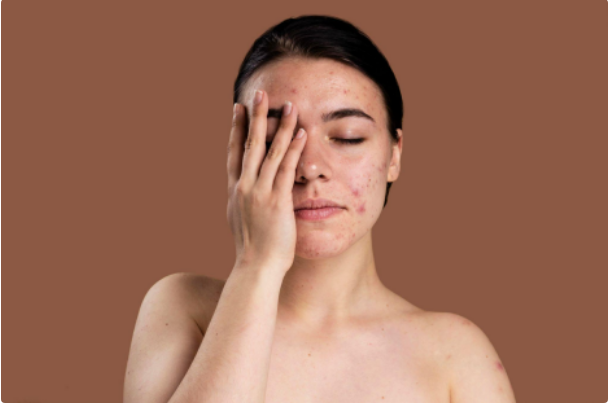
Acne is one of the most common skin concerns, affecting millions of people across all age groups. While it is often associated with teenagers, adults can also experience frequent breakouts. For some, acne appears occasionally and disappears without much effort. For others, it becomes a recurring problem that leaves behind dark spots, scars, and frustration.
Many people spend months trying different face washes, creams, or home remedies, hoping to find a quick fix. Unfortunately, acne isn’t the same for everyone, and what works for one person may not work for another. The secret to achieving clearer skin is understanding the cause of your acne and choosing the right treatment based on your skin’s needs.
What Causes Acne?
Acne develops when the tiny pores in your skin become blocked with excess oil (sebum), dead skin cells, and bacteria. Once the pores become clogged, they become inflamed, leading to pimples, blackheads, whiteheads, or painful cysts.
Several factors can contribute to acne.
Hormonal Changes
Hormones play a major role in acne development. During puberty, pregnancy, menstrual cycles, or conditions like Polycystic Ovary Syndrome (PCOS), increased androgen levels stimulate the sebaceous glands to produce more oil, making pores more likely to become clogged.
Excess Oil Production
People with naturally oily skin are more likely to develop acne because excess sebum creates an ideal environment for blocked pores.
Acne Causing Bacteria
The skin naturally contains bacteria, including Cutibacterium acnes (formerly Propionibacterium acnes). When pores become blocked with excess oil and dead skin cells, these bacteria multiply, triggering inflammation that leads to red, swollen, and painful pimples.
Genetics
If your parents experienced severe acne, there is a higher chance that you may develop it too. Genetics can influence your skin type, oil production, and sensitivity.
Stress
Stress may not directly cause acne, but it can make existing acne worse by increasing hormone levels that stimulate oil production.
Lifestyle Factors
Certain lifestyle habits can contribute to acne flare-ups, including:
● Inconsistent skincare routines
● Using comedogenic (pore-clogging) cosmetics or skincare products
● Lack of sleep
● High-glycaemic diets and excessive dairy intake in susceptible individuals ● Smoking
● Certain medications, such as corticosteroids or lithium
● Frequent friction from helmets, masks, or tight clothing
Different Types of Acne
Not every breakout is the same. Acne appears in different forms, and understanding its type is essential for choosing the right acne treatmentapproach.
● Whiteheads: Closed pores filled with oil and dead skin.
● Blackheads: Open pores that turn dark when exposed to air.
● Papules: Small red bumps caused by inflammation.
● Pustules: Pimples filled with pus.
● Nodules: Large, hard, painful bumps beneath the skin.
● Cystic Acne: Deep, painful cysts that often leave permanent scars.
Mild acne can often be managed with topical treatments, while moderate and severe acne usually requires professional care.
Why Home Remedies and Random Products Often Fail
With countless skincare products available today, many people believe they can treat acne on their own. While some over-the-counter products may help mild breakouts, they are not always effective for persistent acne.
Using multiple products without understanding your skin can actually make the condition worse. Harsh scrubs, strong chemicals, or constant switching between products may damage the skin barrier, causing irritation, dryness, and increased inflammation.
Similarly, home remedies such as applying toothpaste, lemon juice, or baking soda may seem popular online, but they can irritate the skin and delay proper healing.
Instead of guessing, it’s always better to understand what’s causing your acne before choosing a treatment.
Professional Acne Treatment Options
When acne becomes persistent, painful, or starts leaving scars, consulting a dermatologist is the best decision. A professional will assess your skin type, identify the underlying cause, and recommend the most suitable treatment plan.
Some commonly recommended acne treatments include:
Prescription Medications
Dermatologists may prescribe topical creams, gels, or oral medications depending on the severity of acne. These treatments help reduce oil production, control bacteria, and minimize inflammation.
Following the prescribed routine consistently is important for visible results. Chemical Peels
Chemical peels are commonly used to treat acne and post-acne pigmentation. They gently exfoliate the skin, remove dead skin cells, unclog pores, and improve overall skin texture.
Regular sessions can also reduce acne marks and brighten the complexion. Laser and Light-Based Treatments
Laser and light therapies target acne-causing bacteria while reducing inflammation and controlling excess oil production. These treatments can also improve acne scars and skin texture over time.
Since every skin type reacts differently, laser treatments should always be performed under professional supervision.
What About Acne Scars?
One of the biggest concerns after acne clears is scarring. Picking or squeezing pimples can damage deeper layers of the skin, increasing the risk of permanent scars.
Common types of acne scars include:
● Ice pick scars
● Boxcar scars
● Rolling scars
● Dark spots (Post-inflammatory Hyperpigmentation)
The good news is that many acne scars can be improved with professional treatments such as chemical peels, microneedling, laser resurfacing, PRP therapy, or combination treatments. Early intervention usually produces better results than waiting for scars to become permanent.
Healthy Habits That Support Acne Treatment Professional treatments deliver the best results when combined with a healthy skincare routine. Here are a few simple habits that can help:
● Wash your face twice a day using a gentle cleanser.
● Avoid touching or picking pimples.
● Use oil-free and non-comedogenic skincare products.
● Remove makeup before sleeping.
● Apply sunscreen daily to prevent acne marks from becoming darker.
● Stay hydrated and eat a balanced diet.
● Get enough sleep and manage stress whenever possible.
These habits may not eliminate acne on their own, but they support healthier skin and improve treatment outcomes.
When Should You See a Dermatologist?
Many people wait until acne becomes severe before seeking professional help. However, early treatment can prevent scars and reduce long-term skin damage.
You should consult a dermatologist if:
● Acne keeps returning despite using skincare products.
● You have painful cysts or large pimples.
● Your acne leaves scars or dark marks.
● Breakouts are affecting your confidence.
● Home remedies and over-the-counter products are not working.
● Acne suddenly becomes severe or spreads rapidly.
A dermatologist can identify the exact cause of your acne and recommend a treatment plan that suits your skin.
Choosing the Right Acne Treatment
There is no single treatment that works for everyone. Your age, skin type, lifestyle, hormonal health, and the severity of acne all influence which treatment will be most effective.
This is why professional guidance is important. Rather than trying multiple products through trial and error, a personalized treatment plan can save both time and money while delivering better long-term results. At VCare Hair and Skin Clinics,our experts assess individual skin concerns and recommend personalised acne treatments supported by suitable homecare guidance.
Consistency also plays a key role. Acne treatment requires patience, and most people begin to notice visible improvement after several weeks of following the recommended routine.
Final Thoughts
Acne is a common skin condition, but it doesn’t have to become a lifelong struggle. Understanding the causes of acne and choosing the right treatment can make a significant difference in achieving healthier, clearer skin.
Whether your concern is occasional breakouts, stubborn acne, or acne scars, seeking professional advice early can help prevent further damage and improve treatment outcomes. Along with a consistent skincare routine and healthy lifestyle habits, the right acne treatment can restore not only your skin but also your confidence.
Healthy skin is a journey, not an overnight transformation. With patience, proper care, and expert guidance, clearer skin is well within reach.
