


Unexpected expenses have a habit of arriving at inconvenient times. A utility bill may be due before payday, a car repair may suddenly become necessary, or an important household expense may leave a temporary gap in the budget. When savings aren’t enough to cover the difference, some Tennessee residents look for short-term borrowing options online.
Before choosing a cash advance, however, it’s important to understand the type of financing being offered, its total cost, repayment requirements, and whether the provider is properly licensed. Tennessee regulates certain short-term lending products, including online deferred-presentment services, so consumers should take time to verify the lender and read the agreement carefully.
What Is a Cash Advance?
The term “cash advance” can describe several different financial products. Depending on the provider, it may refer to a short-term payday-style loan, an advance against expected income, or another form of short-term credit.
The important thing is not to judge an offer by the advertised amount alone. The real cost depends on fees, interest, repayment timing, and other charges included in the agreement.
The Consumer Financial Protection Bureau recommends considering how much the loan will cost, whether you can repay it on time, what alternatives are available, and how your personal financial information will be handled before applying online.
Where Tennesseans Can Turn Between Paychecks
When someone needs temporary funds, there are several places where Tennesseans can turn between paychecks, depending on their circumstances and eligibility.
Online Short-Term Lenders
Online lenders can offer a convenient application process for consumers who need to explore short-term financing without visiting a physical location.
However, convenience shouldn’t replace due diligence. Before submitting an application, check whether the company is actually the lender or simply a lead generator. The CFPB notes that some websites collect applicants’ information and pass it to networks of potential lenders.
Tennessee requires businesses providing deferred-presentment services through the internet or other means to obtain the appropriate state license. Consumers should therefore verify licensing before entering an agreement.
Banks and Credit Unions
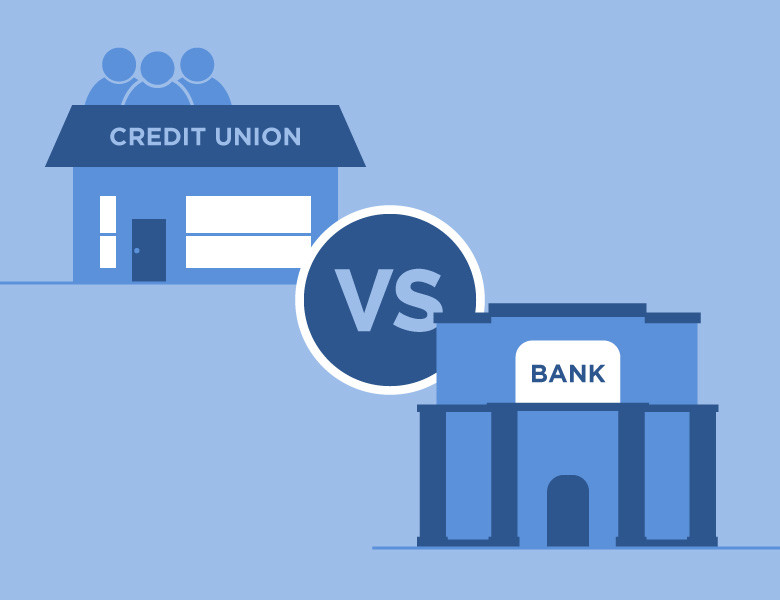
A traditional bank or credit union may offer alternatives that are worth checking before using a high-cost short-term loan. Depending on the institution and the customer’s circumstances, options could include a personal line of credit, overdraft protection, or another form of short-term financing.
These alternatives may have different qualification requirements, so comparing the total cost rather than simply the speed of funding is important.
Employer or Community-Based Options
Some employers offer paycheck advances or emergency assistance programs. Community organizations and nonprofits may also provide assistance with particular expenses.
These options won’t be available to everyone, but they’re worth investigating because they may allow someone to handle a temporary financial gap without taking on a high-cost loan.
Understanding Tennessee’s Short-Term Lending Rules
Tennessee has specific requirements for deferred-presentment services. According to the Tennessee Department of Financial Institutions, providers operating this type of business in the state—including through the internet—must obtain a license.
State consumer information also describes limits applicable to deferred-presentment transactions, including a maximum fee of 15% of the face amount and restrictions concerning outstanding transactions and renewals.
Because laws and individual loan agreements can be complicated, borrowers should verify the current requirements and carefully review the terms of any specific offer rather than relying on a general description of short-term loans.
Compare the Total Cost, Not Just the Advance
One of the biggest mistakes borrowers can make is focusing on how quickly they can receive money while overlooking how much they will ultimately repay.
For example, a fee charged per $100 borrowed can make a seemingly small loan substantially more expensive than the amount initially received. The CFPB explains that payday-style loans can carry significant fees and that rollover or renewal charges can increase the overall cost when permitted.
Before accepting an offer, look for:
- The amount you will actually receive
- The total amount you must repay
- Finance charges or fees
- The exact due date
- Any late or returned-payment charges
- Whether electronic withdrawals are authorized
- What happens if you cannot repay on time
A loan that appears affordable at first may become difficult to manage if repayment coincides with other essential bills.
Be Careful With Automatic Payments

Online lenders may require authorization to withdraw repayment electronically from a bank or other account. This makes it especially important to understand exactly when and how much money will be withdrawn.
The CFPB recommends reviewing the repayment arrangement carefully because insufficient funds can potentially result in additional lender or bank fees.
Before signing, make sure you know:
- The scheduled payment date.
- The amount that will be withdrawn.
- Whether the payment is a full payoff or another type of payment.
- What happens if the account does not contain enough funds.
Keeping these details in mind can help prevent an unexpected shortage in your checking account.
Check Whether the Website Is a Direct Lender
Not every website offering to help consumers find a cash advance is itself a lender.
Some websites operate as lead generators, collecting information and sending applications to potential lenders. According to the CFPB, consumers should determine whether they are dealing with an actual lender and review the site’s privacy policies before submitting sensitive information.
Look for readily available contact information, licensing details, privacy information, and clear explanations of the application process.
If a website makes unrealistic promises or refuses to explain who will ultimately provide the loan, that’s a reason to pause and investigate further.
Consider Alternatives Before Borrowing
A cash advance can address an immediate shortfall, but borrowing isn’t always the only solution.
Depending on the situation, alternatives might include asking a utility provider about a payment arrangement, negotiating a bill, using an available emergency fund, checking with a credit union, or asking an employer about an advance.
The CFPB specifically suggests considering alternatives such as employer or community assistance, bank or credit-union options, and negotiating with a creditor before taking out a payday loan.
These options may not work in every situation, but comparing them can help you understand the full range of choices before taking on additional debt.
What If You Cannot Repay on Time?
If repayment becomes difficult, don’t simply ignore the situation.
Contact the lender as soon as possible and ask what options are available. Depending on the product and applicable law, there may be an extended repayment arrangement or another option. The CFPB advises borrowers who are struggling with repayment to contact the lender promptly and understand any available repayment-plan terms.
It’s also important to understand that missed payments can result in additional charges or collection activity depending on the agreement and applicable law.
A Practical Checklist Before Applying
Before accepting an online cash advance in Tennessee, ask yourself:
- Is the provider properly licensed for the product being offered?
- Do I know the exact amount I’ll repay?
- Can I comfortably meet the repayment date?
- Are there additional fees for late or returned payments?
- Is the website a direct lender or a lead generator?
- How will my personal information be used?
- What happens if I can’t repay on schedule?
- Have I compared less expensive alternatives?
If you can’t answer these questions, take some additional time before submitting an application.
Final Thoughts
Online cash advances can provide a potential source of short-term funds when an unexpected expense creates a gap between paychecks, but convenience should never replace careful comparison.
Tennessee residents should verify that a provider is properly licensed, understand the full cost of borrowing, review electronic payment arrangements, and consider alternatives before accepting a short-term loan. The right decision depends on the borrower’s circumstances, available alternatives, and ability to repay.
Taking a few extra minutes to understand the agreement can make a significant difference when dealing with an urgent financial need.
