

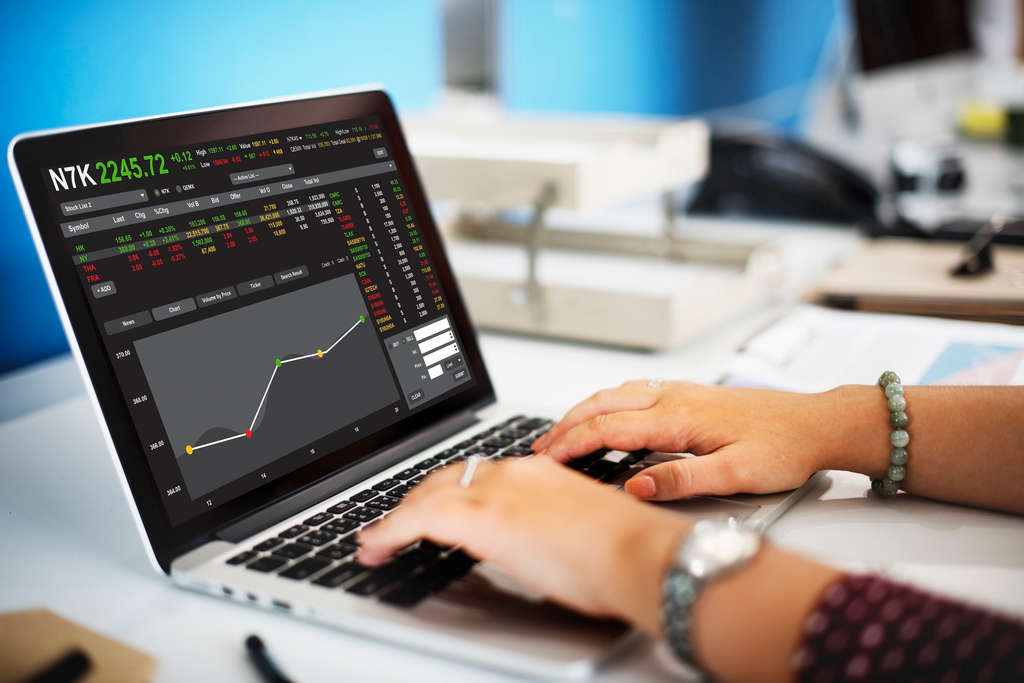
Long-term index traders face silent portfolio killers: compounding swap fees, execution slippage, and catastrophic weekend market gaps. This blog breaks down how premier platforms eliminate these pain points using institutional liquidity, server-side automation, and Tier-1 regulatory asset protection to secure your compound growth.
Key Takeaways
- Eliminate Hidden Drag: Top platforms offer institutional-grade pricing and native futures contracts to stop cumulative swap fees from wiping out your long-term macro gains
- Fail-Safe Execution: Server-side risk infrastructure and guaranteed stops protect capital against extreme weekend market gaps and localized hardware or internet connectivity failures
- Institutional Security: Tier-1 regulated brokers safeguard large-scale long-term capital by enforcing strict client fund segregation within top-tier global banking networks
While short-term scalpers obsess over millisecond execution speeds, macro-driven index position, and swing traders face an entirely different battle. It includes cost drag, platform stability during systemic shifts, and systemic liquidity.
For long-term market participants, an online trading platform is not just an execution gateway. It is a structural partner where your choices influence your portfolio compounding.
This blog will cover the eight structural pillars of index execution platforms that protect, scale, and optimize long-term trading portfolios.
8 Reasons Why the Best Platform Matters for Long-Term Indices Traders
The following are the reasons that show the importance of using the best platform for trading indices.
1. Minimizing Long-Term Holding Costs and Swap Rates
The Hidden Drag: Holding an index position over several weeks or months on an inefficient platform can incur cumulative swap fees that entirely wipe out underlying market gains.
The Solution: Platforms that offer institutional-grade pricing, zero brokerage stock trading, or index futures contracts natively compress these carrying costs, maximizing compound growth over long holding horizons.
2. Institutional-Grade Liquidity to Prevent Slippage on Large Positions
Market Impact: Weak platforms route orders through shallow retail networks, causing severe slippage upon entry or exit during volatile market opens or corporate earnings seasons.
The Solution: Deep liquidity providers ensure that large-block trades on global indices like the S&P 500 or DAX 40 are filled seamlessly at the exact quoted price without moving the broader market against the trader.
3. Advanced Risk Management Infrastructure for Macro Market Gaps
The Vulnerability: Standard stop-loss orders can fail during major market gaps, executing far below the intended risk threshold.
The Solution: Robust platforms implement high-tier risk controls, including guaranteed stop-losses, trailing stops managed server-side, and negative balance protection, allowing portfolio protection even when the market is closed.
| 📝 Let’s say a position trader holding a long DAX 40 contract faces an unexpected weekend geopolitical event. Utilizing a premier platform’s server-side risk tools, their position executes immediately at the best available price at the Monday open, preventing catastrophic capital loss from a severe market downside gap. |
4. Deep Access to Global Indices and Diverse Basket Trading
The Limitation: Basic platforms restrict access to a handful of major benchmarks, trapping long-term capital in localized market stagnations.
The Solution: The best platform to trade US stocks provides clean, direct exposure to secondary, regional, and sector-specific index baskets. This allows macro-allocation across the Nikkei 225, FTSE 100, and emerging market sectors from a single interface.
5. Comprehensive Macro Analytical Tools and Underlying Constituent Data
The Feature Gap: Many standard trading portals only provide basic price charts, ignoring the fundamental data that drives long-term trends.
The Solution: Advanced interfaces integrate real-time tracking of corporate earnings calendars, dividend distributions, and constituent weight adjustments (e.g., tracking tech concentration within the NASDAQ 100), enabling precise fundamental forecasting.
| 💡Comprehensive platforms empower long-term traders by providing granular transparency into index weighting. When mega-cap tech stocks shift index concentration, access to fundamental constituent analytics ensures portfolio managers can rebalance macro allocations before broader market momentum shifts occur. |
6. Regulatory Frameworks and Segregated Institutional Asset Security
The Risk: Unregulated or loosely monitored offshore entities offer high leverage but lack the structural safety nets to secure substantial, long-term capital balances.
The Solution: Tier-1 regulated platforms enforce strict client-fund segregation within global, top-tier banking institutions. This architecture shields trader equity from operational disruptions and ensures absolute solvency compliance.
7. Server-Side Automation and Algorithmic Execution Consistency
The Friction: If automated rules rely on a user’s local device remaining powered on and connected, execution risks skyrocket during internet or hardware failures.
The Solution: Top-tier platforms utilize robust cloud-based, server-side execution. Whether running an API integration or an automated tracking rule, the system monitors macro index levels and handles trades directly from the data center.
| 📝 Suppose an index trend-follower deploys an automated rebalancing script across global indices. Because the execution engine runs entirely server-side, a sudden localized power outage fails to disrupt the system, flawlessly executing a trailing profit-take during a sharp late-night Wall Street rally. |
8. Seamless Platform Scalability Across Web, Desktop, and APIs
The Bottleneck: Proprietary platforms that lack API webhooks or advanced desktop terminals force scaling traders to switch brokers entirely as their analytical needs mature.
The Solution: Future-proof platforms maintain deep compatibility across specialized custom web interfaces, high-performance desktop installations, and robust API frameworks like FIX and HTTP. This allows for smooth evolution from manual portfolio charting to complex algorithmic data modeling.
| 💡 Infrastructure flexibility is non-negotiable for scaling portfolios. High-performance trading networks bridge the gap between casual tracking and advanced programmatic execution, ensuring your long-term index accumulation strategy remains unhindered by platform limitations as institutional capital demands increase over time. |
Conclusion
Long-term index trading success is built on a foundation of structural factors. These factors include managing swap costs, relying on deep liquidity, and utilizing robust server-side execution frameworks.
A standard platform, whether it is the best platform to trade US stocks or a zero-brokerage stock trading platform, always protects capital from invisible slippage and compounding carrying fees, instead of processing a simple buy or sell order.
Are You an Indices Trader? You Will Need Long-Term Compound Growth
For global index traders aiming to capture multi-month macro moves, partnering with a structurally sound, low-drag platform is suggested. Find your pick and check all features before investing any capital.
