

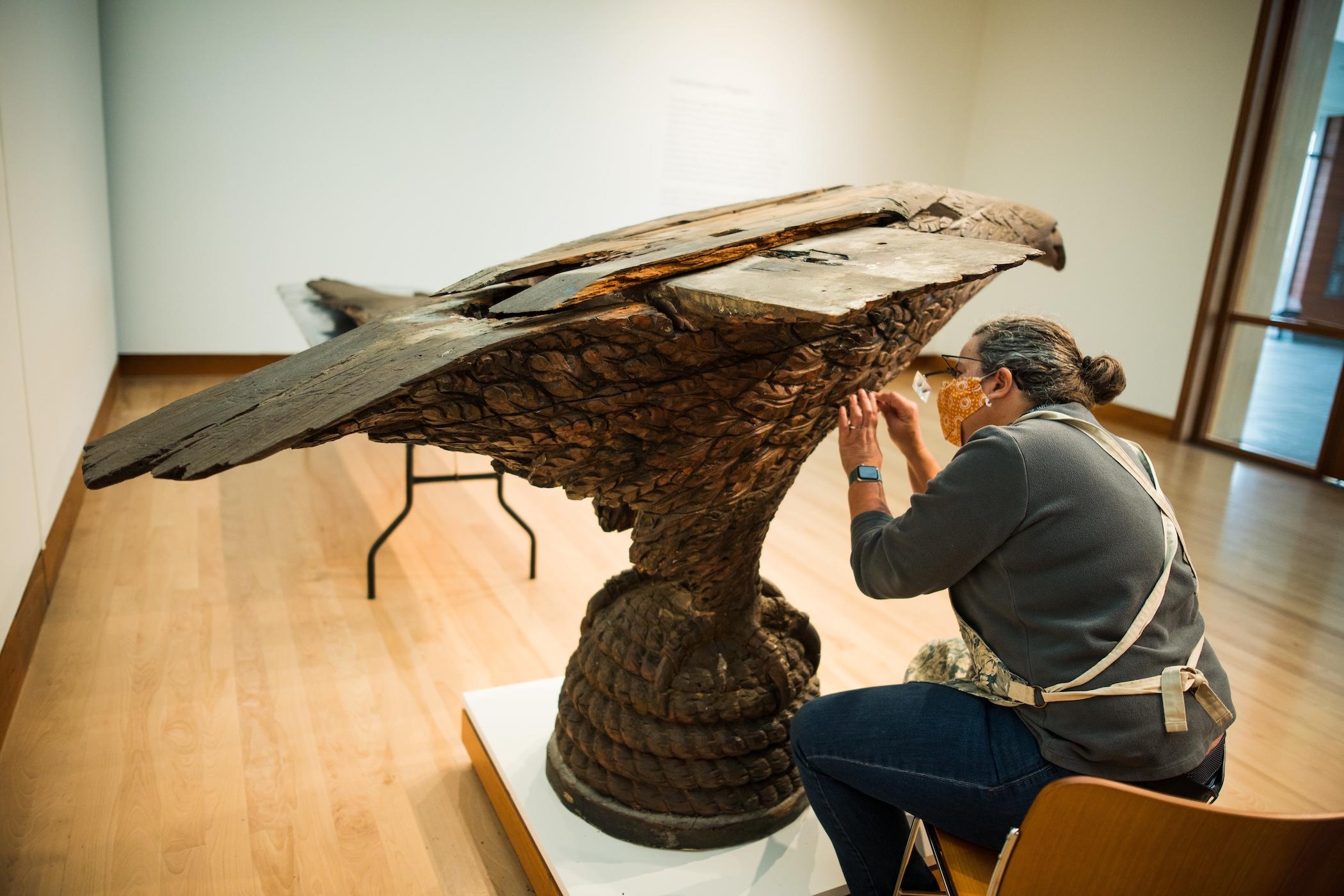
Curatorial stewardship and preservation are the backbone of any institution that cares for cultural heritage. Good stewardship transcends mere safekeeping; it involves a deliberate strategy that balances access, education, and conservation while anticipating future needs. Whether overseeing a municipal museum, a private foundation, or a university collection, curators must think holistically about the life cycle of each object, from acquisition and documentation to display, storage, and eventual deaccessioning. This article outlines core practices that help institutions protect their collections and serve their communities responsibly.
Principles of Stewardship
Stewardship begins with a clear institutional mission that informs collecting policies and ethical guidelines. Collection policies should articulate the scope and purpose of acquisitions, set criteria for provenance research, and establish standards for documentation. Ethical stewardship also demands transparency: records of acquisitions and ownership should be accessible to researchers and, where appropriate, the public. A consistent decision-making framework helps prevent ad hoc choices that can lead to legal or reputational risks later. Emphasizing accountability and shared responsibility among staff cultivates a culture in which preservation is part of every role, not just the curator’s.
Preventive Conservation
Preventive conservation aims to reduce risks before they manifest as damage. Simple measures such as appropriate handling procedures, stable storage solutions, and regular condition checks can significantly extend the life of objects. Packing materials should be inert and acid-free; mounts and supports must distribute weight evenly and avoid stress points. Routine inspections allow conservators to catch early signs of deterioration like flaking paint, warping, or mold growth. Implementing handling training for collections staff, volunteers, and anyone who interacts with objects ensures that fragile pieces are moved and displayed safely.
Documentation and Digital Records
Accurate, standardized documentation is essential to effective stewardship. Catalog records should include provenance, condition reports, treatment histories, exhibition loans, and any legal restrictions. High-quality photographs and, when relevant, multispectral or 3D imaging can become indispensable records for both conservation and research. Institutions increasingly rely on integrated systems to manage these records and to coordinate logistics for loans and audiences. Many organizations streamline workflows by embedding conservation notes, insurance values, and location history within a single database. For example, registrars and conservators often collaborate to ensure that art collection management systems reflect current physical conditions and administrative data, reducing duplication and improving response times when issues arise.
Environmental and Pest Management
Environmental control is one of the most powerful tools in preservation. Consistent temperature and humidity reduce mechanical stress on materials such as wood, paper, and textiles. While ideal ranges differ depending on material sensitivity, avoiding rapid fluctuations is frequently more important than hitting a precise number. Light exposure, particularly ultraviolet light, accelerates fading and degradation; curators should limit illumination and use filters or display cases for sensitive works. Integrated pest management prioritizes non-toxic, preventive tactics such as sealing entry points, monitoring traps, and strict housekeeping. When pests are detected, swift isolation and specialist consultation prevent infestations from spreading.
Access, Loans and Risk Management
Providing public access while protecting objects is a constant balancing act. When lending works to other institutions, clear loan agreements and condition reports are essential. Transportation introduces risks, so packing and courier selection must follow best practice, with climate-controlled vehicles and professionally designed crates for high-value items. Insurance and indemnity arrangements should be transparent, and risk assessments performed for every exhibition and transit. On-site, display cases and barriers protect fragile items, while interpretive strategies—such as replicas, high-quality digital surrogates, or rotated displays—can permit broader engagement without compromising originals.
Staff Training and Institutional Culture
A preservation-minded culture starts with ongoing education for staff across departments. Conservators, registrars, educators, and facilities teams each bring different expertise, and cross-training fosters collaboration. Regular workshops on emergency response, handling protocols, and new conservation techniques keep skills current. Institutions should also nurture relationships with external specialists and peer networks, enabling access to specialist treatments and shared knowledge. Leadership plays a crucial role in allocating resources for training and conservation priorities; visible institutional commitment encourages compliance and innovation.
Planning for the Future
Sustainability requires long-term planning and investment. Facilities must be assessed for storage capacity, environmental stability, and potential expansion. Disaster preparedness plans must be detailed, practiced, and updated; they should include salvage priorities, emergency contacts, and clear communication protocols. Digitization initiatives create access and provide an additional layer of preservation through digital surrogates, but they demand careful metadata practices and migration strategies to remain usable over time. Finally, stewardship planning should be inclusive, reflecting community needs and ethical responsibilities related to cultural sensitivity and repatriation debates. Forward-thinking policies that incorporate conservation science, legal counsel, and public engagement will keep collections vibrant and relevant for generations.
Effective curatorial stewardship is dynamic, blending technical care with policy, ethics, and public service. By prioritizing preventive conservation, robust documentation, environmental controls, and a culture of shared responsibility, institutions can safeguard their collections while maximizing access and scholarly value. The practices described here provide a foundation that can be adapted to local contexts, resources, and the unique demands of each collection.
