

Photo: Crew (Unsplash), via Wikimedia Commons (CC0)
Biohacking used to mean something fringe: self-experimenters implanting magnets in their fingertips or tech founders spending seven figures a year chasing a younger biological age. Somewhere along the way it went mainstream. Now the term covers everything from wearing a sleep-tracking ring to taking creatine, and the average person interested in feeling better has a dizzying menu of gadgets, powders and services competing for the same limited dollars.
That is the real problem. Almost none of these tools are useless, but almost none of them are essential either, and the marketing rarely helps you tell the difference. This article takes a value-per-dollar approach. We will look at the main categories people spend on, including wearables, sleep technology, supplements and the increasingly popular IV vitamin drip, and ask a blunt question of each: what do you actually get, what does the evidence say, and where does it belong in a sensible budget?
Start With the Free Stuff Nobody Wants to Hear About
Every honest biohacking conversation has to begin here, because the highest-return interventions cost nothing. Consistent sleep and wake times. Daylight exposure in the morning. Regular movement, ideally with some resistance training. Protein and fiber at most meals. Limiting alcohol. Staying hydrated. These are the foundation that every paid tool either measures, supports or tries to replace.
The reason this matters for budgeting is simple. A wearable that tells you your sleep is poor is only valuable if you then change your bedtime. A supplement that fills a nutrient gap only helps if the gap exists. An IV drip designed to rehydrate you works best for someone who is genuinely depleted, not someone who skipped water out of habit. Spend on the basics first, in time and attention rather than money, and every paid tier below becomes more useful.
Tier One: Wearables and What They Really Measure
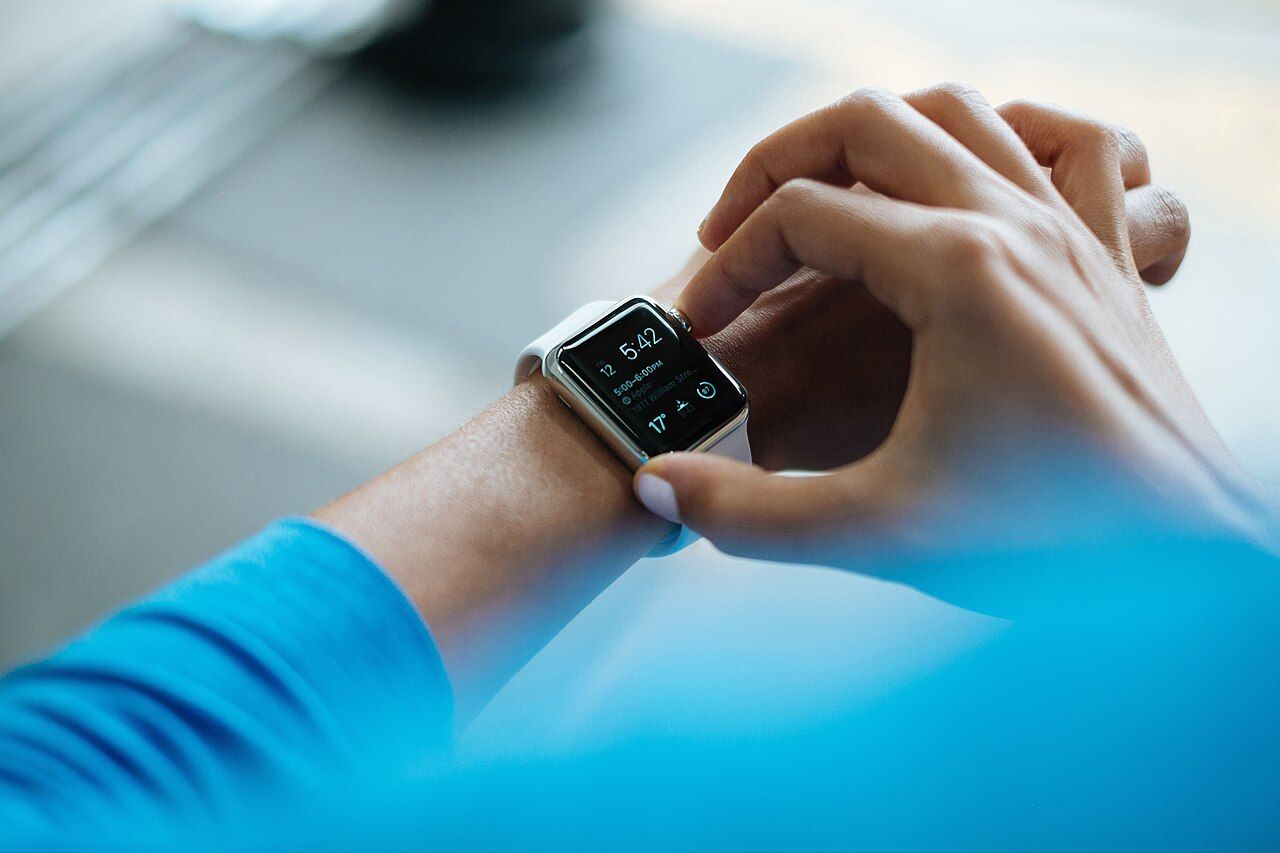
Smartwatches and fitness rings are the gateway drug of modern biohacking, and for good reason. For a one-time purchase, sometimes with a subscription attached, you get continuous heart rate, step counts, rough sleep staging, heart rate variability and, on newer devices, skin temperature and blood oxygen estimates. The best use of this data is trend spotting. If your resting heart rate creeps up over three days, you may be getting sick, under-recovered or dehydrated. If your sleep score tanks every time you have two drinks, the device has shown you something actionable.
The weakness is precision. Consumer sleep staging is an estimate based on movement and heart rate, not a clinical polysomnogram. Calorie burn figures are notoriously rough. And the gamification can backfire, producing people who feel anxious about a bad readiness score before they have even gotten out of bed. Value verdict: high, as long as you treat the numbers as directional and resist buying a second device to validate the first.
Tier Two: Sleep Technology, From Cheap to Absurd
Sleep is where biohacking spending gets interesting, because the price range spans two orders of magnitude. At the low end are blackout curtains, a cheap eye mask, earplugs and a fan, which collectively solve the three most common sleep disruptors: light, noise and heat. In the Tampa Bay area, where bedrooms stay warm well into October, the heat piece alone is worth addressing.
In the middle are weighted blankets, white-noise machines and blue-light-filtering settings on your phone, which already exist for free. At the top are temperature-regulating mattress covers with app control, smart alarms and bedside devices that track breathing without being worn. Some of these are genuinely pleasant. Whether they improve sleep more than a cool, dark, quiet room and a consistent bedtime is far less clear. Value verdict: spend on the fundamentals first, then let the gadgets earn their place only if your wearable data shows a specific, persistent problem.
Tier Three: Supplements, the Category Most Likely to Waste Money
Walk through any supplement aisle and you will find hundreds of bottles promising energy, focus, immunity and longevity. A small number have reasonable evidence for specific uses: creatine for strength and possibly cognition, vitamin D for people who are deficient, omega-3s for certain cardiovascular markers, magnesium for some people’s sleep, and B12 for those who do not get enough from food, including many people on plant-based diets. Beyond that short list, the evidence thins out quickly, and the stacking culture of taking a dozen products at once has little support.
The smart budget approach is to test rather than guess. A basic blood panel ordered through your doctor can show whether you are actually low in vitamin D, B12, iron or ferritin. Supplementing a confirmed deficiency is high value. Supplementing blindly is a coin flip at best. Value verdict: moderate, and dramatically higher when guided by labs.
Tier Four: IV Vitamin Drips, Where They Fit and Where They Don’t
IV drips sit at the premium end of the consumer wellness market, and that alone makes them worth scrutinizing. The core service is straightforward: a licensed clinician places an IV line and infuses sterile fluid, usually with electrolytes and some combination of vitamins, amino acids or other compounds, directly into the bloodstream over 30 to 60 minutes. Because the digestive system is bypassed, absorption is complete, which is relevant for nutrients like vitamin C whose oral absorption drops off sharply at high doses.
What does the evidence support? Rehydration itself is uncontroversial. IV fluid works, and for someone who is depleted after illness, heavy sweating or a long night out, it works faster than sipping water. The vitamin and add-on claims are a different story. The Myers’ cocktail, named after Dr. John Myers who used it in his practice decades ago, has a long history but limited rigorous research. NAD+, a coenzyme involved in cellular energy metabolism, has generated a great deal of interest and relatively little high-quality human data on infusion benefits. Immunity, beauty and energy blends are mostly built on the plausible idea that more of a nutrient is better, which is not always true, particularly for people who are not deficient.
So where does a drip rank for a budget-minded biohacker? Honestly, below the first three tiers for routine use, and above them in a few specific situations: when you are genuinely dehydrated and oral intake is difficult, when you want a known quantity of a nutrient without worrying about absorption, or when you simply value the experience of sitting still for an hour and leaving feeling restored, which some people report even if the mechanism is debated. In the Brandon area, lounges offering IV therapy in Brandon have made the option accessible enough that it no longer requires a trip into downtown Tampa, and the costs are easier to manage than they once were.
Making Premium Tools Fit a Real Budget
If you decide a drip is worth trying, a few practical moves keep it from blowing up your wellness budget. First, use pre-tax dollars where you can. Many lounges accept HSA and FSA cards; Brandon IV Lounge on South Moon Avenue in Brandon is one example, and it also offers walk-ins and online booking so you are not locked into a subscription you forget to cancel. Second, time it. That same lounge runs a weekday Happy Hour from 4 to 6 pm with 20 percent off drips, and timing a visit around a discount is exactly the kind of low-effort optimization a budget biohacker should enjoy. Third, choose the simplest formulation that matches your goal. If you are dehydrated, a basic hydration drip does the job; you do not need the most elaborate bag on the menu to get the fluid benefit.
Fourth, treat a drip as an occasional tool rather than a routine. Most people who get good value from IV lounges use them after an event, a trip, a hard training block or an illness, not every week. That pattern keeps the cost manageable and keeps expectations realistic. Fifth, pay attention to what the facility does before the needle. A real health screening, questions about your medications and conditions, and licensed clinical staff are non-negotiable, and they are also a sign that the operation takes the medical side seriously rather than treating it as a spa add-on.
Important Caveats, Because Biohacking Is Still Your Body
IV therapy is not a substitute for medical care, and a wellness lounge is not where you go to diagnose or treat a condition. People with kidney disease, heart failure or other conditions that affect fluid balance can be harmed by extra volume, and anyone who is pregnant should talk to her doctor before booking. The same caution applies to supplements, which can interact with medications, and even to wearables, whose data can create false reassurance or needless worry. None of these tools replace a relationship with a physician who knows your history.
It is also worth remembering that the research on most wellness drips, beyond hydration, remains limited or mixed. A lounge that acknowledges this, and frames its menu in terms of what each drip is designed to support rather than what it promises to fix, is being honest with you. Be suspicious of anyone, in any tier of this list, who claims certainty the science has not earned.
The Bottom Line
A sensible biohacking budget looks like a pyramid. The free fundamentals form the base and deliver most of the return. A single good wearable sits above them as a feedback loop. Cheap sleep fixes come next, with expensive sleep gadgets held in reserve. Supplements earn a place only when labs show a gap. And IV drips, from a reputable, clinically staffed provider like Brandon IV Lounge, belong at the top as an occasional tool for specific situations, used with pre-tax dollars and well-timed discounts where possible. Spend in that order, measure what changes, and you will get more out of a few hundred dollars than most people get out of a few thousand
