

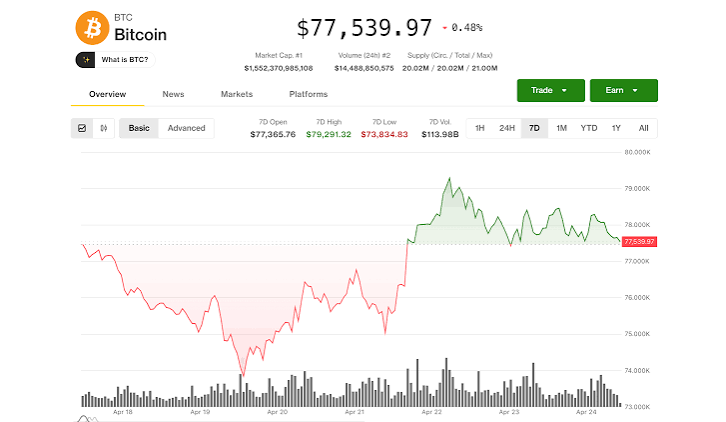
The cryptocurrency market continues to expand as digital assets gain broader acceptance among investors, businesses, and financial institutions. Bitcoin remains the leading cryptocurrency by market capitalization, attracting both long-term holders and active traders seeking opportunities in changing market conditions. One of the most common trading pairs involves Bitcoin and Tether (USDT), a stablecoin designed to maintain a value close to the U.S. dollar. Because USDT minimizes price fluctuations compared to many cryptocurrencies, it has become a preferred asset for entering or exiting Bitcoin positions.
For traders looking to Buy Bitcoin with USDT, understanding market data, trading mechanics, and risk management strategies can improve decision-making. Statistics indicate that BTC/USDT consistently ranks among the highest-volume cryptocurrency trading pairs worldwide, reflecting strong liquidity and continuous market participation. High liquidity often contributes to tighter spreads and smoother order execution, making the pair attractive for both beginners and experienced investors. Before placing any trade, however, users should understand how market conditions, technical analysis, and portfolio management work together to support informed investment decisions.
BTC and USDT Market Statistics
Bitcoin continues to dominate the digital asset ecosystem despite the introduction of thousands of cryptocurrencies. Industry reports regularly show that Bitcoin accounts for a significant percentage of the overall cryptocurrency market value, making it an important benchmark for the sector.
Several market observations illustrate the importance of BTC/USDT trading:
BTC/USDT is among the highest-volume cryptocurrency trading pairs.
Bitcoin operates on a decentralized blockchain secured by thousands of network participants.
USDT provides relatively stable pricing compared to highly volatile cryptocurrencies.
Institutional participation has increased overall cryptocurrency market liquidity.
Millions of Bitcoin transactions are processed through global trading platforms every year.
These statistics demonstrate why BTC/USDT remains one of the most actively monitored markets across the cryptocurrency industry.
Why USDT Is Commonly Used for Bitcoin Trading
USDT serves as a stable digital asset that helps traders move between volatile cryptocurrencies without immediately converting funds into traditional currencies.
Some of its advantages include:
Reduced exposure to sudden price swings while waiting for trading opportunities.
Faster movement of capital between different cryptocurrency markets.
Convenient pricing reference because USDT closely tracks the U.S. dollar.
Broad availability across numerous blockchain networks.
Efficient settlement for active cryptocurrency trading.
These characteristics have made USDT an essential component of modern cryptocurrency markets.
What Makes Bitcoin a Long-Term Digital Asset?
Bitcoin was introduced as a decentralized monetary system with a limited maximum supply of 21 million coins. This scarcity has contributed to its reputation as a potential store of value over time.
Investors often consider Bitcoin because of several factors:
Fixed supply model
Transparent blockchain technology
Global accessibility
Decentralized security
Strong network adoption
Growing institutional interest
Continuous technological development
Although no investment guarantees future returns, Bitcoin has remained one of the most recognized digital assets in the financial world.
Factors That Influence Bitcoin Prices
Bitcoin prices move continuously due to multiple economic and market variables.
Important influences include:
Market Demand
Growing investor participation generally increases buying pressure, while declining interest may reduce prices.
Global Economic Conditions
Inflation expectations, interest rates, and monetary policy frequently affect cryptocurrency investment trends.
Institutional Investment
Large-scale investment firms entering the market often increase liquidity and attract additional participants.
Regulatory Developments
Government announcements regarding cryptocurrency regulations can create temporary volatility.
Market Sentiment
Positive news, technological innovation, or broader financial optimism frequently contribute to stronger market momentum.
Understanding these drivers helps traders interpret market movements more effectively.
Benefits of Trading BTC/USDT
Many investors choose BTC/USDT because it combines Bitcoin’s market leadership with the relative stability of USDT.
Potential advantages include:
Strong trading liquidity
High daily trading activity
Efficient market pricing
Reduced conversion complexity
Access to continuous global trading
Flexible portfolio management
Fast transaction opportunities
These benefits contribute to the popularity of BTC/USDT across cryptocurrency markets.
Risk Management Strategies
Every cryptocurrency investment involves risk, making proper planning essential.
Professional traders often recommend:
Position Sizing
Avoid allocating an excessive percentage of your portfolio to a single trade.
Diversification
Holding multiple assets may reduce overall portfolio volatility.
Stop-Loss Planning
Predetermined exit strategies help manage unexpected market movements.
Long-Term Perspective
Short-term price fluctuations may not reflect broader market trends.
Continuous Education
Keeping up with blockchain developments and financial news supports better decision-making.
Risk management often plays an equally important role as identifying investment opportunities.
Technical Indicators Frequently Used by Traders
Market participants often analyze charts using technical indicators to identify potential entry and exit points.
Common indicators include:
Moving averages
Relative Strength Index (RSI)
MACD
Trading volume
Support and resistance levels
Bollinger Bands
Trend lines
No indicator guarantees profitable outcomes, but combining several analytical tools may provide additional market insight.
The Importance of Market Liquidity
Liquidity refers to how easily an asset can be bought or sold without causing major price changes.
Higher liquidity generally offers:
Faster trade execution
Narrower bid-ask spreads
Greater pricing efficiency
Reduced slippage
Improved trading flexibility
Since BTC/USDT is one of the most actively traded cryptocurrency pairs, it typically benefits from substantial liquidity.
Common Trading Approaches
Different investors use different strategies depending on their goals.
Long-Term Holding
Some investors purchase Bitcoin with the expectation that its value may appreciate over several years.
Swing Trading
Swing traders attempt to benefit from medium-term price movements.
Day Trading
Active traders monitor short-term market fluctuations throughout the trading day.
Dollar-Cost Averaging
Investing fixed amounts at regular intervals can reduce the impact of market volatility over time.
Selecting an approach depends on individual financial objectives and risk tolerance.
Why do many traders choose USDT for Bitcoin purchases?
USDT provides relatively stable pricing, making it easier for traders to manage funds between cryptocurrency transactions while reducing exposure to sudden market volatility.
Is Bitcoin considered a volatile investment?
Yes. Bitcoin prices can experience significant fluctuations within short periods due to market demand, economic news, institutional activity, and investor sentiment.
Why is BTC/USDT one of the most traded cryptocurrency pairs?
Its popularity comes from combining Bitcoin’s global recognition with USDT’s price stability, resulting in high liquidity and active trading throughout the day.
Does market liquidity affect trading efficiency?
Higher liquidity generally improves order execution, reduces spreads, and minimizes price slippage during transactions.
Should beginners understand risk management before trading?
Absolutely. Learning portfolio allocation, stop-loss planning, diversification, and market analysis can help investors make more informed decisions.
What role does technical analysis play?
Technical analysis helps traders evaluate historical price behavior using indicators, chart patterns, and trading volume to identify potential opportunities.
Can Bitcoin be part of a diversified investment portfolio?
Many investors include Bitcoin alongside other assets as part of a broader diversification strategy, although allocation should match individual financial goals and risk tolerance.
Why do market statistics matter?
Trading volume, liquidity, volatility, and market capitalization provide valuable insights into overall market activity and can support more informed investment decisions.
Final Thoughts
Bitcoin continues to play a leading role in the global cryptocurrency ecosystem, supported by strong network security, widespread adoption, and consistent market activity. Meanwhile, USDT has become an essential trading asset by offering relative price stability and efficient capital movement between digital assets. Together, the BTC/USDT trading pair remains one of the most actively traded combinations in the cryptocurrency industry, attracting participants with varying investment objectives.
Successful cryptocurrency investing requires more than simply following price trends. Understanding market statistics, monitoring liquidity, evaluating technical indicators, and implementing disciplined risk management all contribute to stronger decision-making. Investors who remain informed about economic developments, blockchain innovation, and changing market sentiment are generally better positioned to navigate periods of volatility.
As digital asset markets continue evolving, education remains one of the most valuable tools for every investor. Building knowledge through market research, statistical analysis, and careful planning can support long-term investment strategies while helping individuals respond confidently to changing market conditions. Whether pursuing gradual portfolio growth or actively monitoring market opportunities, maintaining a disciplined and informed approach remains essential for achieving sustainable participation in the cryptocurrency marketplace.
