

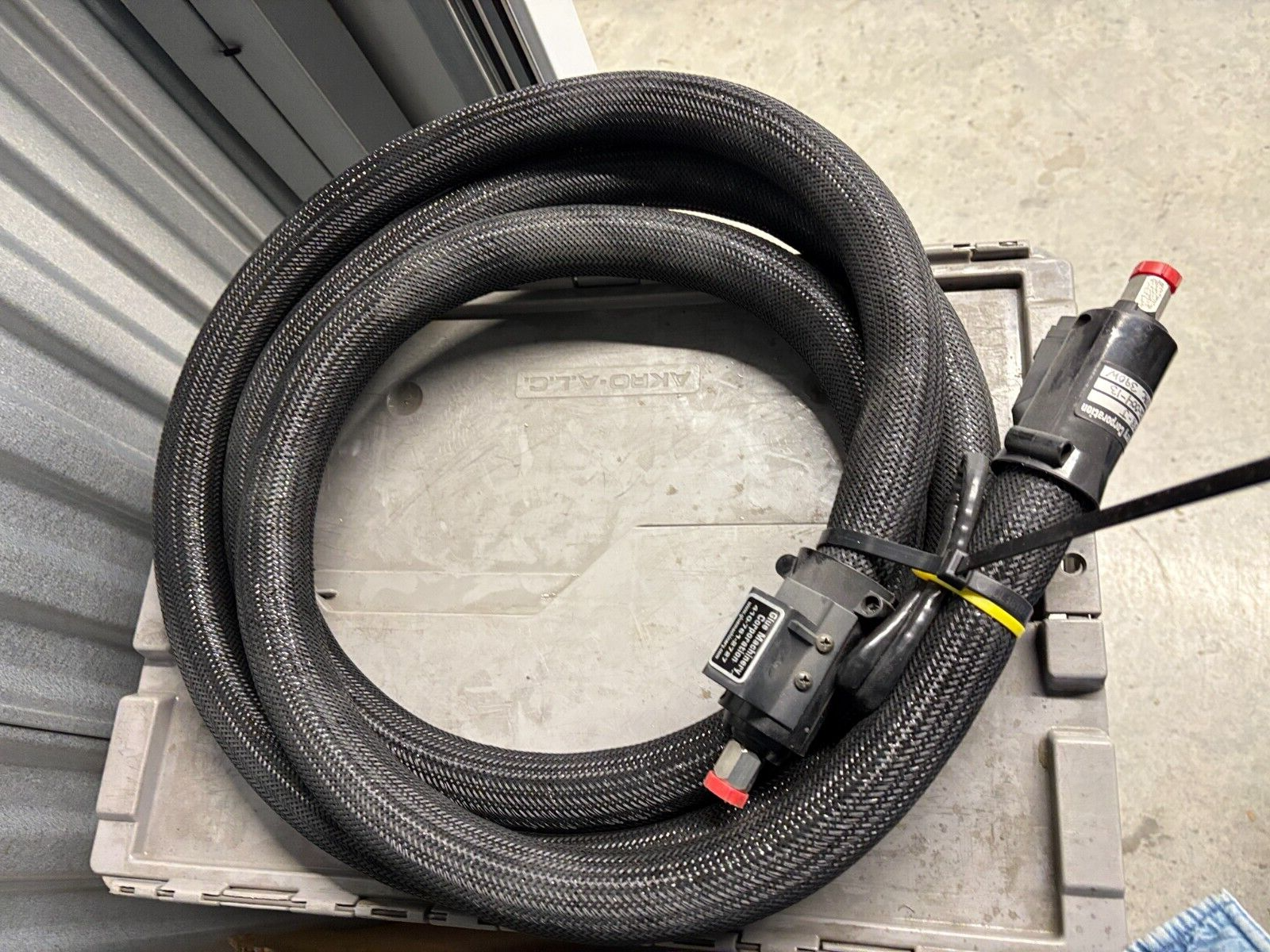
In modern manufacturing and packaging industries, precision and speed are critical. One essential component that ensures both is the hot melt hose. If you’re planning to buy hot melt hose, understanding its types, features, applications, and buying considerations can help you make the right investment and avoid costly downtime.
This comprehensive guide covers everything you need to know before purchasing a hot melt hose, whether you’re in packaging, woodworking, automotive, or product assembly.
What Is a Hot Melt Hose?
A hot melt hose is a specialized heated hose designed to transfer hot melt adhesive from a melting unit (tank) to an applicator gun or nozzle. These hoses maintain a consistent temperature to keep the adhesive in a molten state, ensuring smooth and uninterrupted application.
Hot melt hoses are commonly used in systems where adhesives need to be applied quickly and precisely, such as:
- Packaging lines
- Bookbinding
- Furniture manufacturing
- Textile lamination
- Automotive assembly
Why You Need a High-Quality Hot Melt Hose
When you buy a hot melt hose, you’re not just purchasing a connector—you’re investing in production reliability. A high-quality hose offers:
1. Consistent Temperature Control
Maintains adhesive at optimal viscosity, preventing clogging or uneven flow.
2. Improved Production Efficiency
Ensures uninterrupted adhesive supply, reducing downtime.
3. Durability and Longevity
Resists wear, pressure, and high temperatures over long periods.
4. Safety Assurance
Built-in insulation and temperature regulation reduce the risk of overheating or accidents.
Types of Hot Melt Hoses
Before you buy, it’s important to understand the different types available:
1. Standard Hot Melt Hose
Designed for general adhesive applications. Suitable for most packaging and assembly lines.
2. High-Pressure Hose
Used in systems requiring high adhesive flow rates and pressure stability.
3. Mini Hoses
Compact hoses used for small machines or tight installation spaces.
4. Multi-Line Hoses
Contain multiple channels for adhesive and air, ideal for advanced industrial setups.
Key Features to Look For
When choosing the right product, consider the following features:
Temperature Range
Ensure the hose can handle your adhesive’s required temperature, typically between 120°C to 200°C.
Hose Length and Diameter
Select based on machine setup and distance between the melter and applicator.
Electrical Compatibility
Check voltage compatibility (e.g., 220V or 240V systems) for smooth operation.
Insulation Quality
High-quality insulation improves energy efficiency and operator safety.
Flexibility
A flexible hose is easier to install and reduces stress on fittings.
Sensor Integration
Modern hoses include RTD or thermistor sensors for precise temperature monitoring.
Common Applications
Hot melt hoses are used across a wide range of industries:
Packaging Industry
Sealing cartons, boxes, and labeling products efficiently.
Woodworking
Bonding laminates, edges, and veneers.
Automotive Sector
Applying adhesives for interior trims and components.
Textile Industry
Used in fabric bonding and lamination processes.
Electronics Manufacturing
Securing components with precision adhesive application.
How to Choose the Right Hot Melt Hose
Here are some practical tips before you buy:
1. Match with Your Equipment
Ensure compatibility with your hot melt machine and applicator system.
2. Check Pressure Ratings
Choose a hose that can handle your system’s operating pressure.
3. Consider Environmental Conditions
If used in harsh environments, opt for reinforced or heavy-duty hoses.
4. Evaluate Energy Efficiency
Well-insulated hoses reduce heat loss and save energy costs.
5. Look for Certifications
Choose products that meet industry safety and quality standards.
Benefits of Buying from a Trusted Supplier
Purchasing from a reliable supplier ensures:
- Genuine, high-quality products
- Warranty and after-sales support
- Technical guidance for installation
- Availability of spare parts
Cheap or low-quality hoses may save money upfront but often lead to higher maintenance costs and frequent replacements.
Maintenance Tips for Long-Term Use
Once you buy a hot melt hose, proper maintenance is essential:
- Regularly inspect for wear or leaks
- Clean adhesive residues to prevent blockages
- Avoid bending beyond recommended limits
- Check electrical connections periodically
- Store properly when not in use
Routine maintenance can significantly extend the life of your hose and improve system performance.
Cost of Hot Melt Hose
The price of a hot melt hose varies depending on:
- Length and diameter
- Temperature capacity
- Build quality
- Brand and compatibility
While budget options exist, investing in a high-quality hose offers better durability and long-term savings.
Final Thoughts
Choosing to buy hot melt hose is a crucial decision for any production setup that relies on adhesive application. The right hose improves efficiency, ensures consistent output, and reduces operational risks.
Instead of focusing only on price, consider performance, compatibility, and durability. A well-chosen hot melt hose will not only enhance productivity but also provide a reliable solution for years to come.
