

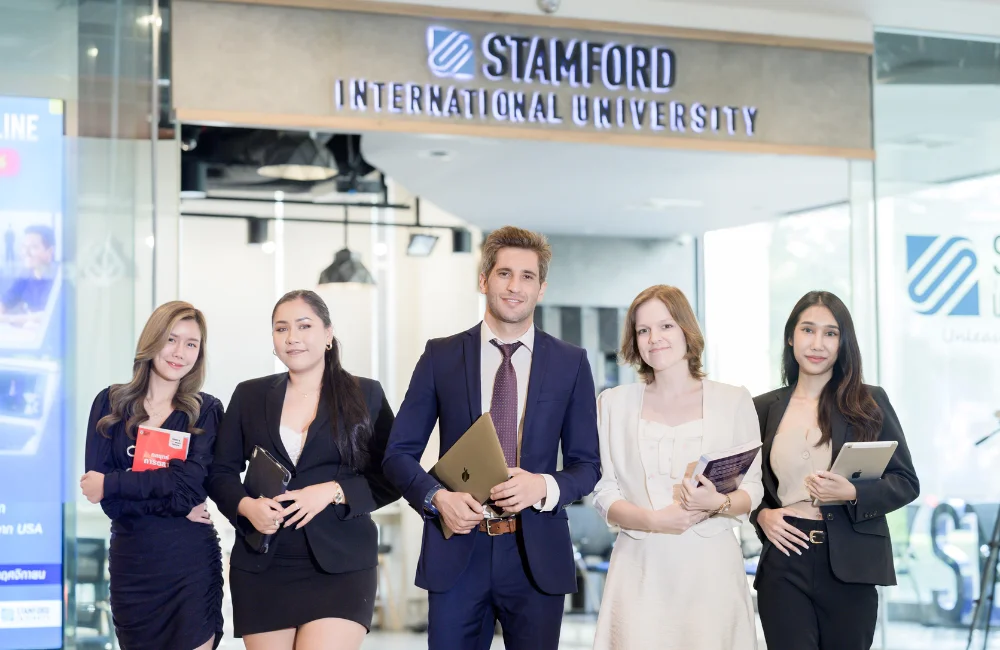
Thailand has become one of Southeast Asia’s most attractive destinations for students who want a globally recognized education without leaving the region. For high school graduates weighing their options, understanding what a มหาลัยอินเตอร์ในไทย actually offers—and how to choose one—can make all the difference in shaping a successful academic and professional future.
This guide walks through what international education looks like in Thailand, what an international program really means, and how students can find a path that matches both their career goals and their English proficiency level.
What Makes a มหาลัยอินเตอร์ในไทย Different
An international university in Thailand typically delivers courses in English, follows curricula benchmarked against global standards, and brings together students and faculty from many different countries. Unlike traditional Thai-language programs, these institutions are designed to prepare graduates for careers that may take them anywhere in the world.
Some defining features include:
- English as the primary language of instruction
- Faculty with international teaching or industry backgrounds
- Classmates from a wide range of nationalities
- Curricula aligned with international accreditation standards
- Opportunities for exchange programs or overseas internships
For students who plan to work abroad, pursue graduate studies overseas, or simply want a competitive edge in the Thai job market, this kind of environment offers meaningful advantages over a purely local academic track.
Understanding What หลักสูตรนานาชาติ คือ in Practice
Many students hear the term but aren’t entirely sure what it means day to day. In simple terms, หลักสูตรนานาชาติ คือ an academic program taught fully in English, structured to match international curriculum benchmarks, and often developed in partnership with universities or professional bodies abroad.
In practice, this means:
- Lectures, textbooks, and assessments are all in English
- Course content is regularly updated to reflect global industry trends
- Students graduate with credentials that are recognized internationally
- Group projects and presentations mirror the collaborative style used in workplaces worldwide
This format suits students who want more than a language requirement fulfilled—it’s meant to build genuine fluency and confidence in an English-speaking academic and professional environment.
Why English Proficiency Matters Before You Enroll
One of the biggest concerns for high school students considering an international program is whether their English is “good enough.” The honest answer is that most international universities expect a solid foundation, but they also provide support to help students strengthen their skills along the way.
Common preparation strategies include:
- Enrolling in an English foundation or bridging program before starting the main degree
- Practicing academic writing and presentation skills early
- Engaging in conversation clubs or exchange opportunities with international peers
- Reading English-language news, journals, or textbooks regularly
Building this proficiency early doesn’t just help with admissions—it sets the tone for how comfortably a student will handle coursework, group discussions, and eventually, job interviews in English.
สแตมฟอร์ด คณะที่เปิดสอน: Exploring the Academic Options
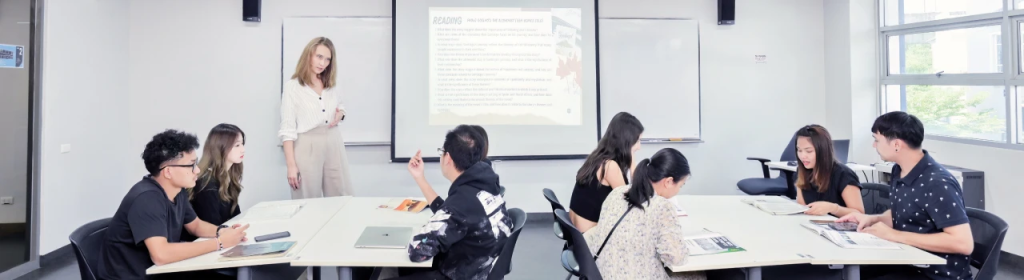
When researching สแตมฟอร์ด คณะที่เปิดสอน, prospective students will find a fairly broad range of faculties designed to match different career interests. Rather than a one-size-fits-all approach, the idea is to let students choose a path aligned with where they see themselves professionally after graduation.
Typical areas of study at an institution like this may include:
- Business Administration and Management
- Communication Arts and Media
- Information Technology and Digital Innovation
- Hospitality and Tourism Management
- Liberal Arts and Social Sciences
Each faculty is generally structured to combine theoretical foundations with practical, real-world application—internships, case studies, and industry projects are common components of the learning experience.
How Stamford International University Fits Into the Picture
Among the international education options available in Thailand, Stamford International University has built a reputation around flexible, English-medium programs designed for a diverse, multicultural student body. The university’s approach reflects many of the qualities described above: English-taught courses, internationally minded faculty, and a range of academic faculties suited to different career paths.
For students still comparing schools, it can help to consider:
- The specific faculty and program structure offered
- Available English preparation or foundation courses
- Opportunities for international exchange or internship placement
- Overall campus environment and student diversity
Students who take time to compare these factors tend to feel more confident in their final decision, since the right fit depends as much on personal goals as it does on program reputation.
Making Your Decision as a High School Student
Choosing where to study after high school is rarely a simple decision, especially when international programs are on the table. It helps to start by asking a few honest questions:
- Do I want to work internationally, or focus on the Thai job market?
- How confident am I in my English skills right now, and am I willing to build on them?
- Which career field genuinely interests me, beyond what sounds impressive on paper?
- Do I prefer a smaller, close-knit campus or a larger, more diverse student body?
Answering these questions honestly can narrow down the list considerably, making the eventual choice feel far less overwhelming.
Final Thoughts
International education in Thailand continues to grow as more students look for English-medium programs that prepare them for global careers. Whether the priority is building English proficiency, finding the right faculty, or simply understanding how an international curriculum works, taking the time to research thoroughly pays off in the long run.
Students exploring their options are encouraged to look further into the programs, faculties, and support services available.
Learn more here: https://www.stamford.edu/
Contact US
Address:16 km, Motorway Road, Prawet Subdistrict, Prawet District, Bangkok 10250, Thailand
Phone: +662 769 4000
Email: ug_academic@stamford.edu
Website: https://www.stamford.edu/
