

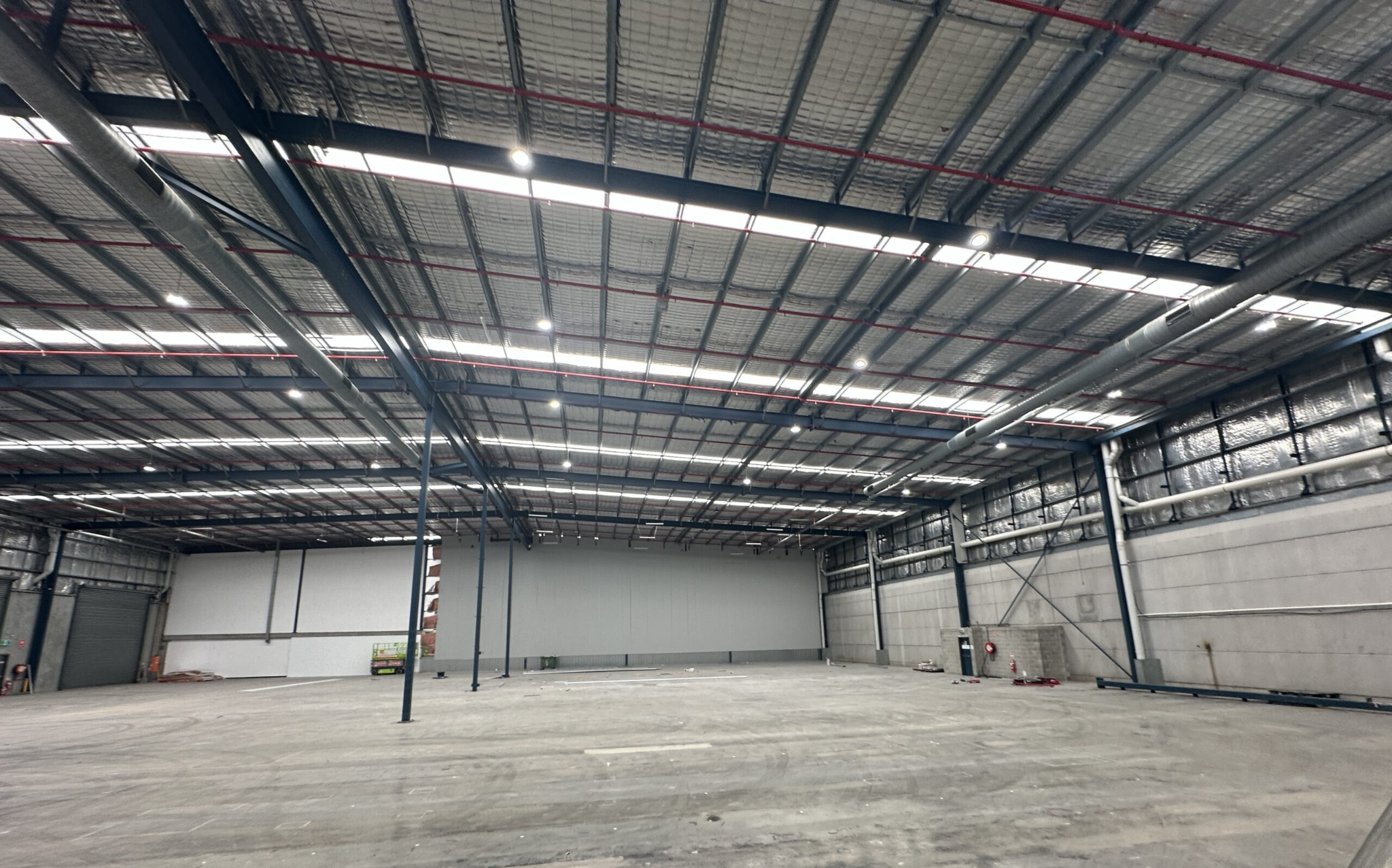
Warehouses and manufacturing facilities face constant pressure to improve efficiency, reduce operating costs, and create safer working environments. As businesses grow, large open spaces can become difficult to manage, especially when different activities need to take place within the same facility.
One solution that has gained significant popularity across industrial sectors is the use of warehouse partitions. These flexible systems allow businesses to divide workspaces efficiently while maintaining productivity and improving overall operational performance.
From what I’ve seen, companies that strategically organize their warehouse environments often benefit from better workflow management and lower operating expenses.
Why Open Warehouse Layouts Can Create Challenges
While open-plan warehouses offer flexibility, they can also introduce several operational issues.
Common challenges include:
- Poor temperature control
- Excessive dust movement
- High energy consumption
- Increased noise levels
- Reduced operational efficiency
As facilities become larger, controlling environmental conditions across the entire building becomes increasingly difficult.
This is why many businesses are turning to partitioning solutions to create more manageable and productive work zones.
Better Temperature Management
Heating and cooling large industrial spaces can be expensive.
By separating operational areas, businesses can focus climate control where it is needed most rather than heating or cooling an entire facility unnecessarily.
Benefits include:
✔ Lower energy costs
✔ Improved employee comfort
✔ Better environmental control
✔ Increased operational efficiency
For many organizations, temperature management alone can justify the investment in partitioning systems.
Controlling Dust and Contamination
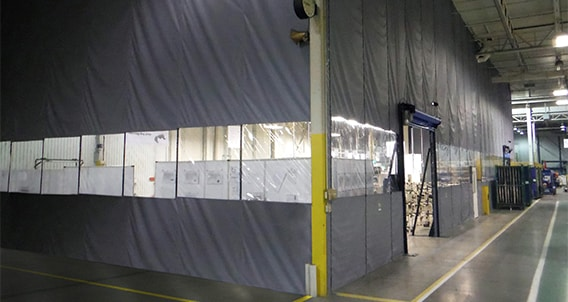
Dust is a common concern in manufacturing, packaging, logistics, and industrial processing environments.
Without proper separation, dust particles can spread throughout a facility and affect:
- Product quality
- Equipment performance
- Workplace cleanliness
- Employee comfort
Partition systems help isolate specific operations and reduce the movement of airborne contaminants throughout the building.
This creates a cleaner and more controlled workspace.
Improving Workplace Safety
Safety remains a top priority for every industrial operation.
Clearly defined work zones can help businesses:
- Separate pedestrian walkways
- Isolate machinery
- Improve traffic flow
- Reduce workplace hazards
- Support compliance objectives
From my experience, facilities with well-organized layouts often experience fewer operational disruptions and better overall safety performance.
Flexibility for Growing Businesses
One major advantage of modern partitioning systems is flexibility.
Unlike permanent walls, partition solutions can often be adapted as operational requirements change.
This allows businesses to:
- Expand production areas
- Create temporary workspaces
- Reconfigure storage zones
- Support business growth
As warehouse operations evolve, flexible infrastructure becomes increasingly valuable.
Supporting Productivity and Workflow
Efficient space utilization plays a major role in productivity.
Properly designed warehouse layouts can help employees move materials, products, and equipment more efficiently.
Partitioned areas can be used for:
- Assembly operations
- Packaging departments
- Storage areas
- Quality control stations
- Specialized production zones
Creating dedicated workspaces often leads to smoother workflows and better operational performance.
Reducing Long-Term Operating Costs

Many companies initially view partitioning as an infrastructure expense.
However, the long-term benefits can include:
- Lower energy consumption
- Improved productivity
- Reduced maintenance costs
- Better environmental control
- Enhanced operational efficiency
These savings often provide a strong return on investment over time.
The Future of Industrial Space Management
As industrial facilities continue modernizing, businesses are looking for smarter ways to maximize existing space without major construction projects.
Flexible partitioning solutions provide a practical way to improve facility performance while maintaining adaptability for future growth.
Whether used in warehouses, factories, distribution centers, or production facilities, effective space management has become an important competitive advantage.
Final Thoughts
Modern industrial operations require efficient, safe, and adaptable work environments. By creating dedicated operational zones, improving temperature control, and reducing dust movement, warehouse partitions help businesses make better use of their available space.
As organizations continue seeking ways to improve productivity and lower operating costs, partitioning solutions remain one of the most practical investments for warehouse and factory environments.
