

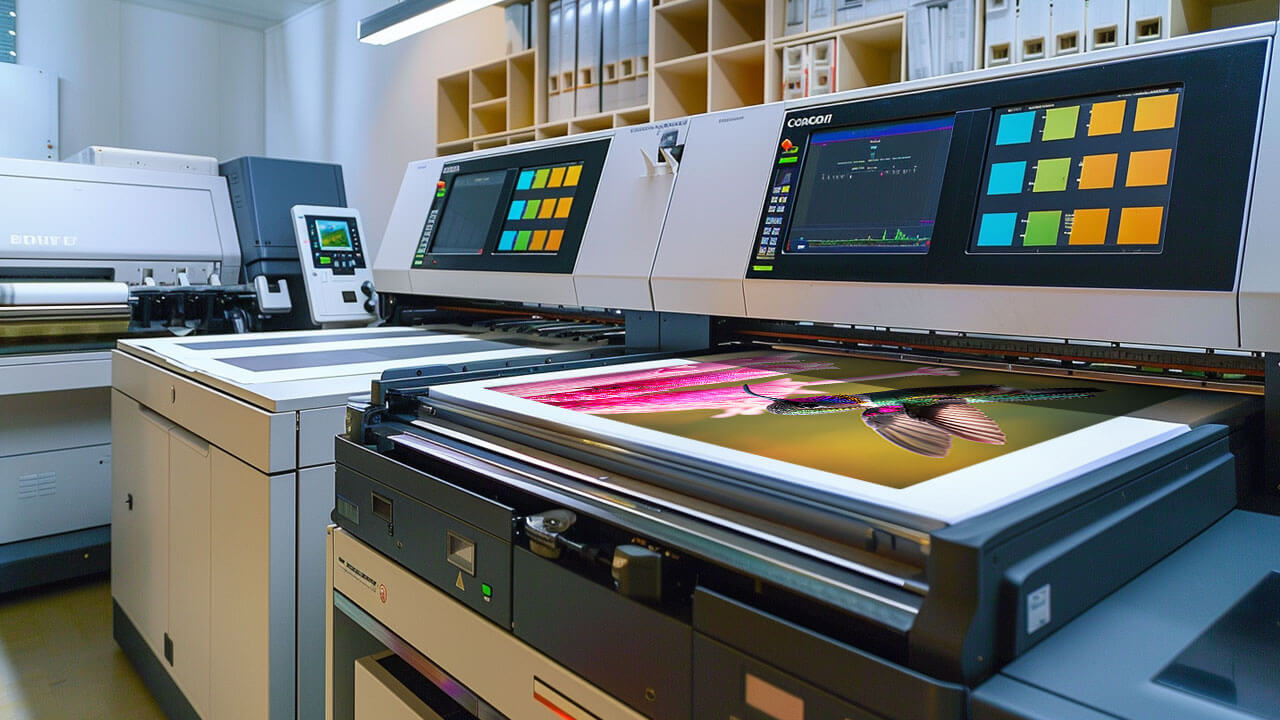
In an increasingly digital world, printed marketing materials continue to play a vital role in helping businesses connect with customers. From professionally designed brochures and business cards to exhibition graphics and retail signage, high-quality print remains one of the most effective ways to strengthen brand visibility and communicate important messages.
Today’s printing industry has evolved significantly. Modern digital printing technology allows businesses to produce exceptional print materials faster, more efficiently, and with greater flexibility than traditional printing methods. Whether supporting a product launch, preparing for a trade show, or refreshing branded materials, digital printing provides reliable solutions for organizations of every size.
From what I’ve observed, businesses that combine strong digital marketing with professionally printed materials often create a more consistent and memorable brand presence.
Why Print Still Matters
Although online marketing dominates many advertising strategies, printed materials continue to influence customer decisions in meaningful ways.
Professional print products help businesses:
- Build brand credibility
- Improve customer engagement
- Support face-to-face marketing
- Increase local visibility
- Create lasting impressions
- Strengthen brand consistency
Unlike digital advertisements that may disappear with a single click, printed materials often remain visible for much longer, increasing the likelihood that potential customers will remember the brand.
What Is Digital Printing?
Digital printing is a modern printing process that transfers digital artwork directly onto a variety of materials without requiring traditional printing plates.
This technology offers several advantages over conventional printing methods, particularly for businesses requiring flexibility, shorter production times, and smaller print runs.
Common applications include:
Business Stationery
Professional business cards, letterheads, presentation folders, and compliment slips help reinforce a polished corporate image.
Marketing Materials
Flyers, brochures, leaflets, and promotional booklets remain valuable tools for customer engagement.
Large Format Printing
Businesses often rely on banners, posters, exhibition displays, and window graphics to attract attention at events and retail locations.
Packaging and Labels
Custom printed packaging helps products stand out while strengthening overall brand identity.
Benefits of Modern Digital Printing
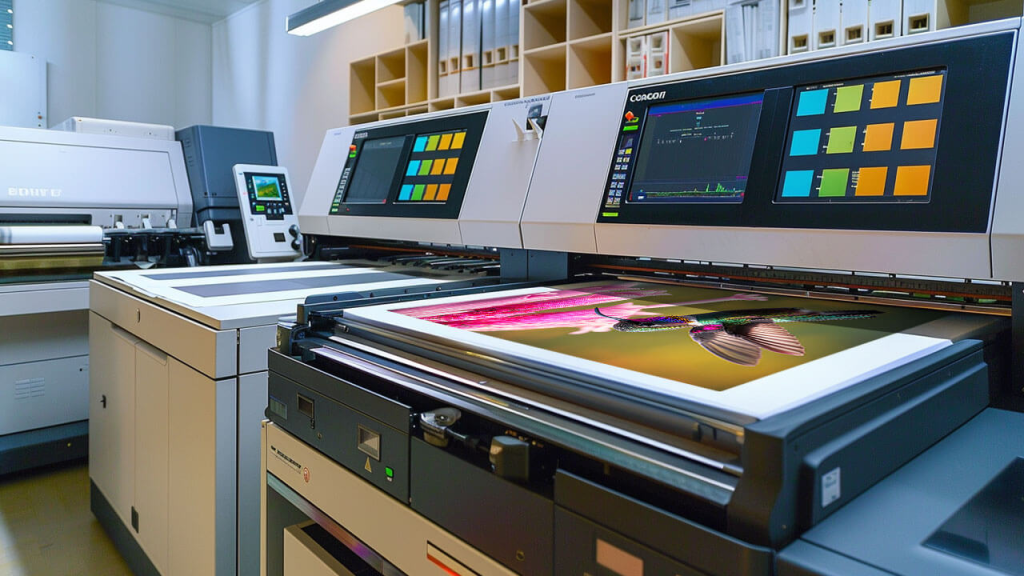
Businesses increasingly choose digital printing because it combines speed, quality, and versatility.
Faster Turnaround Times
Digital production eliminates many setup processes associated with traditional printing, allowing projects to be completed more quickly.
This can be especially valuable for businesses working with tight deadlines.
High-Quality Results
Advances in printing technology deliver excellent color accuracy, sharp graphics, and professional finishes suitable for a wide range of commercial applications.
Cost-Effective Short Print Runs
Unlike traditional methods, digital printing allows businesses to order smaller quantities without significant setup costs.
This reduces waste while making it easier to update marketing materials when needed.
Greater Customization
Variable data printing enables businesses to personalize marketing materials for different customers, campaigns, or events.
Choosing the Right Print Partner
Selecting a printing provider involves more than comparing prices.
Businesses should evaluate several factors.
Print Quality
Review samples to ensure consistent color, image clarity, and finishing quality.
Product Range
Working with a provider offering multiple print services simplifies future projects.
Reliable Delivery
Meeting project deadlines is essential, particularly for marketing campaigns and events.
Customer Support
Responsive communication helps ensure artwork requirements and production specifications are handled efficiently.
Businesses looking for professional digital printing london services should choose a provider capable of delivering high-quality print solutions, dependable turnaround times, and consistent customer support without compromising on quality.
Popular Applications Across Industries
Digital printing supports businesses across many sectors.
Examples include:
- Retail promotions
- Hospitality marketing
- Healthcare information materials
- Educational resources
- Corporate branding
- Property marketing
- Event signage
- Restaurant menus
- Exhibition displays
Its flexibility makes it suitable for both everyday business operations and large-scale promotional campaigns.
Sustainability in Modern Printing
Environmental responsibility is becoming increasingly important throughout the printing industry.
Many commercial printers now adopt sustainable practices such as:
- Using responsibly sourced paper
- Reducing production waste
- Offering recyclable materials
- Using environmentally conscious inks where appropriate
- Improving energy efficiency
Businesses that prioritize sustainable printing can support environmental goals while maintaining professional marketing standards.
Future Trends in Digital Printing
The printing industry continues to evolve alongside advances in technology.
Current trends include:
Personalized Marketing
Customized print materials improve customer engagement and campaign effectiveness.
On-Demand Printing
Businesses increasingly print only what they need, reducing storage costs and waste.
Integrated Marketing Campaigns
Printed materials now work alongside websites, QR codes, and digital advertising to create connected customer experiences.
Premium Finishing Options
High-quality laminations, spot finishes, textured papers, and specialty coatings help brands create memorable printed products.
These innovations continue to expand the possibilities for creative business communication.
Practical Tips for Better Print Projects
To achieve the best results, businesses should:
- Use high-resolution artwork.
- Maintain consistent brand guidelines.
- Select appropriate paper stocks.
- Proofread all content carefully before printing.
- Plan production schedules in advance.
- Consult print professionals regarding finishes and materials.
Careful preparation often leads to higher-quality results while avoiding unnecessary delays.
Conclusion
Digital printing remains an essential marketing tool for businesses seeking professional, high-quality communication materials. Its speed, flexibility, and ability to produce exceptional print quality make it suitable for everything from business stationery to large promotional campaigns.
As technology continues to advance, digital printing offers businesses greater opportunities to create impactful marketing materials while improving efficiency and supporting sustainable production practices. By investing in professionally produced print solutions, organizations can strengthen their brand image and leave a lasting impression on customers.
