

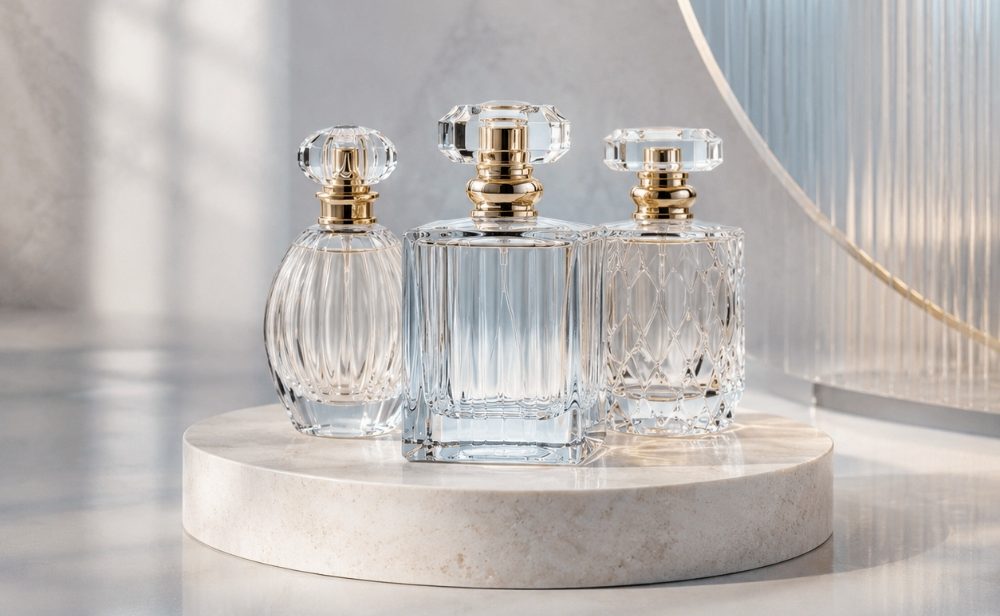
For brands in the spirits and fragrance industries, packaging is more than a container. A well-designed glass bottle protects the product, enhances brand identity, and improves customer perception. However, selecting the right supplier requires more than reviewing attractive designs. B2B buyers should evaluate manufacturing capabilities, quality systems, and production consistency before building a long-term partnership.
A professional glass bottle factory should provide stable capacity, advanced technology, and strict quality management. These factors directly influence the durability, appearance, and performance of packaging products for premium liquor and fragrance applications.
Key Manufacturing Factors for Premium Glass Packaging
Glass quality and structural consistency are essential when sourcing premium packaging. High-end spirits often require heavy-bottom designs with excellent stability, while a luxury perfume bottle needs accurate dimensions to match pumps, collars, and decorative components. Uneven glass distribution may cause appearance defects, weak points, or sealing issues during transportation.
For premium projects, super flint and high-clarity glass materials are widely preferred because they provide a cleaner appearance and improve product presentation. Glass packaging continues to be popular in beverage and cosmetic markets because of its recyclability, chemical stability, and ability to maintain product quality.
Neck finish precision is another important factor. For glass liquor bottles, accurate neck dimensions ensure compatibility with cork closures, screw caps, and sealing systems. Similarly, perfume packaging requires strict tolerance control for spray pumps and caps to prevent leakage. Even small dimensional errors can affect large-scale filling efficiency.
How to Evaluate a Reliable Glass Bottle Factory
Before placing bulk orders, buyers should review a supplier’s production equipment and inspection procedures. A qualified manufacturer should operate automated production lines, professional inspection systems, and controlled annealing processes to maintain consistent quality.
Quality testing should include appearance inspection, wall thickness measurement, stress testing, sealing performance, and thermal shock resistance. For global buyers, certifications such as FDA, SGS, or other compliance reports provide additional confidence when importing glass packaging products.
Production flexibility is also important. Retailers, wholesalers, and brand owners may need different solutions, including ready-stock products and customized designs. An experienced supplier should support OEM/ODM services covering mold development, sampling, surface decoration, and mass production.
Optimizing the OEM/ODM Purchasing Process
A successful packaging partnership depends on efficient communication and a clear workflow. Professional manufacturers usually handle design review, technical drawings, prototype confirmation, mold production, and sample approval before mass manufacturing.
For brands seeking faster launches, existing bottle designs can reduce development time and investment. Custom molds, however, help create unique packaging that improves market differentiation.
Final Checklist for Bulk Glass Packaging Buyers
When selecting a supplier, procurement teams should consider manufacturing experience, production capacity, quality control standards, customization ability, and export support. A reliable partner should deliver consistent products while helping brands achieve their packaging goals.
Whether sourcing glass liquor bottles for beverage companies or a distinctive perfume bottle for fragrance brands, working with an experienced manufacturer ensures reliable supply, quality assurance, and long-term business value.
