

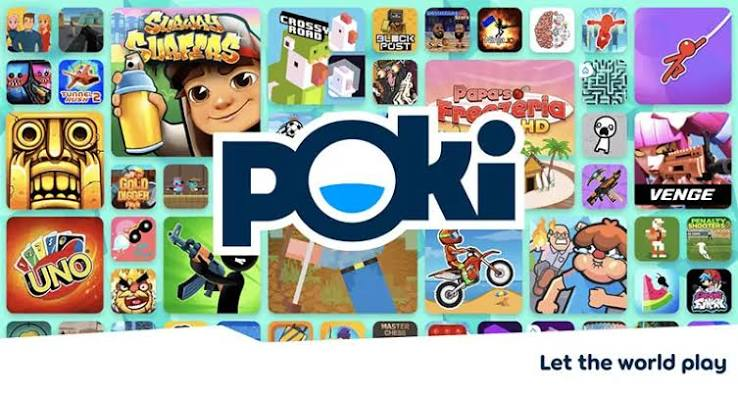
The world of online gaming has changed dramatically over the past few decades. What began as simple multiplayer experiences has grown into slot gacor hari ini a massive industry filled with immersive worlds, competitive tournaments, and thriving online communities. Today, online games entertain billions of people and continue to influence technology, culture, and digital communication.
One of the greatest strengths of online gaming is its diversity. Players can explore fantasy kingdoms, compete in realistic sports matches, race high-performance cars, solve challenging puzzles, or survive exciting adventures. Because developers continue releasing new ideas and updates, players always have fresh experiences waiting for them.
The social aspect of online gaming is equally important. Unlike traditional games that were often played alone, online games encourage interaction between players around the world. Teams work together to complete objectives, friends celebrate victories, and communities form around shared interests. These connections often become meaningful friendships that last for years.
Online gaming also encourages continuous learning. Strategy games require careful planning, resource management, and long-term thinking. Action games improve reaction speed and concentration, while cooperative games strengthen communication and teamwork. Many educational games successfully combine learning with entertainment, helping students improve skills while enjoying themselves.
Streaming and content creation have become essential parts of modern gaming culture. Platforms that allow live broadcasting have created opportunities for gamers to share tutorials, gameplay highlights, and entertaining moments with global audiences. Successful creators build loyal communities while earning income through advertising, sponsorships, and memberships.
Innovation continues to drive the online gaming industry forward. Cloud gaming allows players to enjoy demanding games without powerful computers, while virtual reality creates realistic and immersive environments. Artificial intelligence helps developers design smarter opponents and more dynamic game worlds, making gameplay increasingly engaging.
The economic impact of online gaming is significant. Game studios employ programmers, artists, writers, musicians, animators, and marketing professionals. Esports organizations host international competitions that attract sponsorships, tourism, and millions of online viewers. As the industry expands, it continues creating new career opportunities for talented individuals.
Despite its many advantages, healthy gaming habits remain essential. Setting reasonable play schedules, taking regular breaks, and maintaining physical activity help players enjoy games responsibly. Respectful behavior toward other players also contributes to positive gaming communities where everyone feels welcome.
Parents and guardians should remain involved in children’s gaming activities. Selecting suitable games, encouraging open conversations about online interactions, and using parental control features can help young players enjoy gaming safely. These simple steps create a secure environment while allowing children to benefit from educational and social aspects of gaming.
Looking toward the future, online gaming will continue evolving through technological innovation. Faster internet, improved graphics, augmented reality, and artificial intelligence will create even more immersive experiences. Developers are also focusing on accessibility, ensuring players from diverse backgrounds and abilities can enjoy games together. In conclusion, online gaming has become one of the defining forms of entertainment in the digital era. It combines creativity, technology, competition, and community into experiences that appeal to millions worldwide. With endless innovation and growing global participation, online games will continue inspiring players and shaping the future of interactive entertainment
