

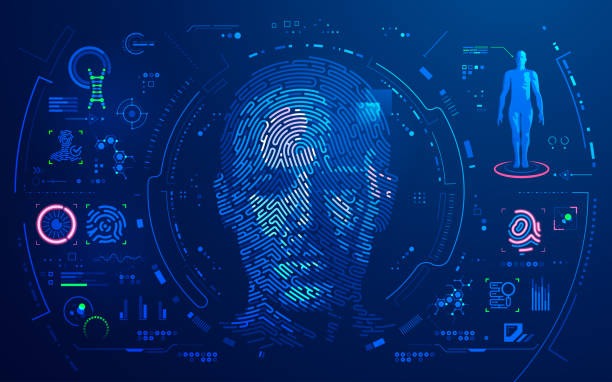
Proving an identity online no longer always requires a physical visit, paperwork, or a face-to-face meeting. With facial biometrics and artificial intelligence, people can verify who they are through a camera-enabled device.
A face check ID process can compare a person’s facial characteristics with a trusted identity reference and determine whether they are likely to belong to the same individual. As digital identity threats become more sophisticated, modern verification systems are also adding technologies such as liveness detection to make remote authentication more reliable.
How Facial Biometrics Turn a Face Into Identity Data
Every face contains a combination of characteristics that can be analyzed through biometric technology. AI-powered systems can identify patterns in facial structure and convert them into a mathematical representation.
During an identity check, the system can compare this representation with another facial reference. The reference might come from an identity document, an existing identity profile, or another trusted source.
Rather than simply looking for an identical photograph, the system evaluates similarities between facial features. This allows facial biometrics to support identity verification even when images have differences in expression, angle, or lighting.
The Process Behind an AI-Powered Face Check
A typical facial identity verification process involves several stages.
First, the user captures an image or video through a camera. The system detects the face and analyzes the available biometric information.
AI then extracts relevant facial characteristics and creates a biometric representation. This representation can be compared with a trusted reference to calculate the level of similarity.
If the result meets the required verification threshold, the face comparison can support the identity claim.
However, facial similarity is only one part of a secure verification process.
Why a Facial Match Is Not the Whole Story
A face can look like the correct person without proving that a genuine individual is presenting the identity.
For example, an attacker could attempt to use a photograph, replayed video, or another representation of a legitimate user. In more advanced scenarios, synthetic media could be used to create or manipulate facial content.
This is why modern biometric verification increasingly looks beyond simple face matching.
The system may need to determine whether the person is physically present and whether the captured media appears authentic.
How Liveness Detection Adds an Important Security Layer
Liveness detection helps address the question of whether the biometric subject is a real, live person during the verification process.
Instead of analyzing only facial similarity, the system can evaluate signals associated with genuine human presence. Depending on the technology, this may involve facial movement, image characteristics, depth-related information, or other biometric signals.
This can help protect against certain presentation attacks involving photographs, screen displays, recordings, or other artificial representations.
When combined with facial matching, liveness detection creates a more complete verification process.
The face match asks whether the face corresponds to the claimed identity, while liveness detection helps assess whether the face is being presented by a genuine person.
AI Helps Handle Real-World Facial Differences
People rarely capture perfect facial images.
A user may be standing in a room with poor lighting, using a different camera, or holding their device at a slightly different angle. Facial expressions can also change between the reference image and the new capture.
AI-based facial recognition systems are designed to analyze facial characteristics despite many of these normal variations.
However, performance can still depend on image quality, camera capabilities, environmental conditions, and the technology being used. Good user guidance can therefore remain important during remote verification.
Protecting Against Synthetic Identity Threats
Generative AI has created additional challenges for digital identity systems.
Synthetic faces and manipulated videos can potentially be used to imitate legitimate individuals. These techniques can make it harder for a verification system to rely on visual appearance alone.
A stronger identity workflow can combine facial biometrics with liveness detection and, where appropriate, deepfake analysis.
Each technology has a different role. Facial matching evaluates identity similarity, liveness detection examines physical presence, and deepfake analysis can look for signs of manipulated or artificially generated media.
Together, they can provide multiple signals for evaluating an identity claim.
Where Face Check ID Technology Can Be Used
Facial identity verification can support a wide range of digital services.
Common applications can include:
- Online account opening
- Digital customer onboarding
- Remote identity verification
- Financial service applications
- Secure account recovery
- Access control
- Online authentication
- Age or identity-related verification workflows
The security requirements can vary between applications. A low-risk service may require a simpler process, while a sensitive transaction may justify additional identity checks.
Creating a Better User Experience
Security should not make identity verification unnecessarily difficult.
Users may become frustrated if a verification process repeatedly fails or provides unclear instructions. A well-designed face check should provide simple guidance about camera positioning, lighting, and facial positioning.
Automated feedback can also help users correct problems during the capture process.
Liveness detection can be integrated into the same interaction rather than requiring users to complete a completely separate security procedure. This can help create a smoother experience while still adding an additional security check.
Combining Facial Biometrics With Other Signals
Facial biometrics should not necessarily operate in isolation.
A modern identity verification framework can combine facial matching with identity document checks, liveness detection, device information, session signals, and risk-based authentication.
This layered approach can provide additional context.
For example, a strong facial match combined with successful liveness detection may provide greater confidence than a facial match alone. If other signals appear unusual, the system can request additional verification.
This allows organizations to adjust security requirements according to the risk of an interaction.
Privacy Matters in Facial Identity Verification
Facial biometrics are sensitive personal information, making privacy an important part of any identity verification strategy.
Organizations should consider how facial data is collected, processed, protected, accessed, and retained. Data handling should be aligned with applicable privacy and security requirements.
Clear policies can also help users understand how their biometric information is being used.
A secure face check should therefore focus not only on preventing identity fraud but also on protecting the personal information involved in the verification process.
The Future of AI-Based Face Verification
AI is continuing to change how digital identities are verified.
Future systems are likely to become more layered, combining facial biometrics with liveness detection, deepfake analysis, document verification, device intelligence, and behavioral risk signals.
This means the concept of a face check ID may evolve beyond a simple comparison between two images.
The broader goal is to determine whether the identity being presented is consistent, the person is genuinely present, and the overall interaction appears trustworthy.
As remote services continue to grow, these combined approaches can help organizations improve identity assurance while maintaining a convenient experience for legitimate users.
FAQs
What is a face check ID?
A face check ID process uses facial biometrics to compare a person’s face with a trusted reference as part of an identity verification process.
How does AI verify identity from a face?
AI analyzes facial characteristics and creates a biometric representation that can be compared with a reference representation to determine the level of similarity.
Why is liveness detection important?
Liveness detection adds a check for genuine human presence and can help defend against certain presentation attacks involving photographs, recordings, or other artificial representations.
Can facial biometrics prevent identity fraud?
Facial biometrics can contribute to identity fraud prevention, but no single technology eliminates every threat. Combining facial matching with other verification methods can provide stronger protection.
Can face verification detect deepfakes?
Facial recognition and deepfake detection have different purposes. Facial recognition evaluates facial similarity, while deepfake detection focuses on potential digital manipulation. They can complement one another.
Is facial biometric verification secure?
Security depends on the technology, implementation, data protection practices, and surrounding controls. A layered approach that includes liveness detection and other verification signals can improve overall security.
Conclusion
AI-powered facial biometrics are changing how people verify their identities online. A face check ID process can compare facial characteristics with a trusted reference, helping organizations establish confidence in a user’s identity without requiring a physical interaction.
However, facial similarity alone may not be enough in today’s threat environment. Liveness detection adds another important layer by helping determine whether a genuine person is physically present during the verification process.
When facial matching is combined with liveness detection, document verification, deepfake analysis, and risk-based security controls, organizations can create a more comprehensive approach to remote identity verification. As digital identity continues to evolve, the future will likely focus on verifying not just the face, but the authenticity of the entire interaction.
