

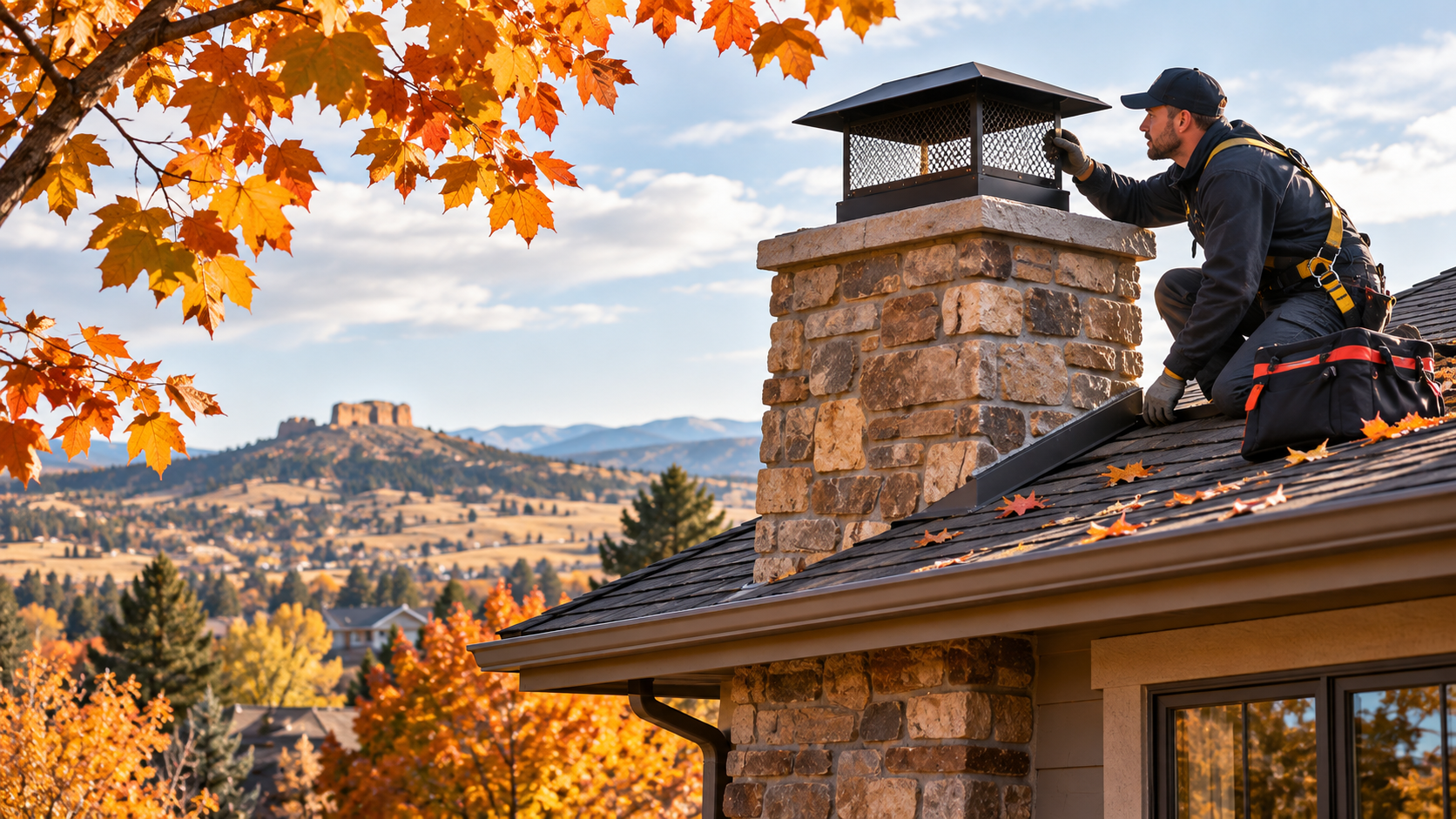
As fall arrives in Castle Rock, Colorado, cooler temperatures and chilly evenings make fireplaces an important part of home comfort. Before lighting the first fire of the season, homeowners should take time to inspect their fireplaces and chimneys. Months of inactivity can allow dust, leaves, animal nests, and other debris to accumulate inside the chimney. Meanwhile, changing weather conditions may have caused damage that is difficult to notice from the ground.
A fall chimney maintenance checklist helps Castle Rock homeowners prepare their fireplaces for the colder months ahead. Regular maintenance can reduce fire hazards, support proper ventilation, and identify minor problems before they develop into costly repairs.
Whether your home has a traditional wood-burning fireplace or a modern gas fireplace, fall is an ideal time to evaluate its condition. Taking care of essential maintenance tasks now can help prevent unexpected problems when temperatures drop.
Here are ten important chimney maintenance steps every Castle Rock homeowner should consider before winter.
1. Schedule a Professional Chimney Inspection
A professional chimney inspection should be one of the first items on your fall maintenance checklist. Even if your fireplace worked properly last winter, that doesn’t guarantee it remains in good condition today. Moisture, temperature changes, animal activity, and natural wear can affect chimney components during periods of inactivity.
What Does a Chimney Inspection Include?
During an inspection, a qualified technician evaluates accessible parts of the chimney and fireplace to identify damage, deterioration, and potential safety concerns.
Depending on the type and level of inspection, this may include examining:
- The firebox and fireplace opening.
- The interior flue and chimney liner.
- Exterior bricks and mortar joints.
- The chimney crown and cap.
- The fireplace damper.
- Roof flashing and surrounding connections.
- Visible signs of moisture damage or obstructions.
The purpose is to identify problems that could affect proper fireplace operation. These may include cracked components, deteriorating masonry, blocked ventilation passages, and water leaks.
Homeowners should not assume their chimneys are safe simply because there are no obvious warning signs. Some problems develop inside the flue or behind masonry and may not be visible during a basic visual check.
When Should You Schedule an Inspection?
An inspection should ideally take place before the fireplace is used regularly. This gives homeowners enough time to arrange necessary maintenance or repairs before the colder months increase demand for chimney professionals.
Annual inspections are recommended for chimneys, fireplaces, and vents, regardless of how frequently they are used.
2. Check for Creosote and Soot Buildup
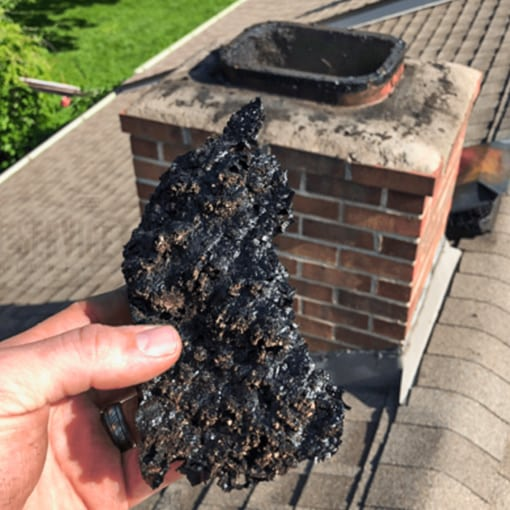
For homeowners with wood-burning fireplaces, creosote accumulation deserves particular attention.
Creosote is a combustible substance that forms when smoke and other combustion byproducts cool and condense along the interior walls of the chimney. Over time, it can develop into a dark, sticky, flaky, or hardened deposit.
Excessive creosote buildup increases the risk of a chimney fire. Soot and other debris can also accumulate inside the flue, potentially affecting airflow.
Why Professional Chimney Cleaning Matters
A chimney may look clean from the fireplace opening while still containing significant deposits farther inside the flue.
Professional cleaning uses appropriate equipment to remove accumulated soot, creosote, and other debris from areas that are difficult to reach with ordinary household tools.
The National Fire Protection Association recommends that chimneys, fireplaces, and vents be inspected at least once a year. Regular chimney cleaning and necessary repairs should be performed whenever an inspection indicates they are needed to help maintain proper operation and reduce potential fire hazards.
The frequency of cleaning depends on several factors, including:
- The type of fuel being burned.
- How frequently the fireplace is used.
- The moisture content of firewood.
- The fireplace’s airflow and operating conditions.
- The amount of creosote and soot present.
Regular professional chimney service helps homeowners maintain cleaner ventilation passages and identify developing issues before they become more serious.
3. Examine the Chimney Cap and Screen
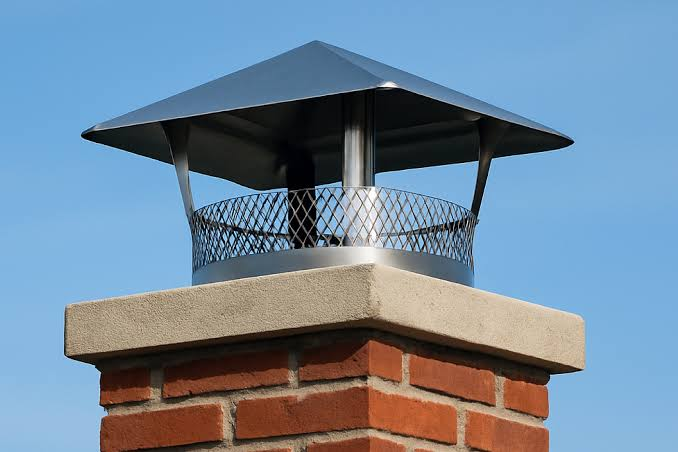
A chimney cap is installed at the top of the chimney to help prevent rain, snow, leaves, debris, and animals from entering through the flue.
It also helps protect the chimney from unwanted moisture and nesting activity.
Over time, exposure to strong winds, precipitation, and changing temperatures can cause the cap to loosen, rust, become damaged, or develop blockages.
Signs Your Chimney Cap Needs Attention
Look for the following warning signs:
- A loose, tilted, or missing chimney cap.
- Visible rust or corrosion.
- Damaged or bent metal screening.
- Leaves and nesting materials around the screen.
- Evidence of animals entering the chimney.
A blocked screen can restrict airflow, while a missing cap leaves the chimney more vulnerable to water intrusion and animal activity.
Homeowners can look at the chimney from the ground for obvious signs of damage. However, climbing onto the roof to inspect or repair a chimney cap can be dangerous.
If the cap appears damaged or obstructed, arrange a professional inspection to determine whether cleaning, repair, or replacement is necessary.
4. Look for Cracks in Bricks and Mortar
The exterior masonry is another important part of chimney maintenance.
Brick and mortar structures can gradually deteriorate due to moisture exposure, temperature fluctuations, wind, and natural aging.
Castle Rock experiences seasonal temperature changes that can be particularly challenging for masonry. When moisture enters small openings in bricks or mortar and freezes, it expands. Repeated freeze-thaw cycles can gradually weaken the material.
What Exterior Damage Should You Look For?
From a safe position on the ground, check for:
- Cracks in exterior bricks.
- Missing or deteriorating mortar.
- Loose or displaced masonry.
- Flaking or peeling brick surfaces.
- White powdery deposits known as efflorescence.
- Visible separation around the chimney structure.
These signs do not always indicate that extensive repairs are necessary. However, they should be evaluated before winter arrives.
Depending on the extent of deterioration, professional repairs may involve repointing mortar joints, replacing damaged bricks, or addressing larger structural concerns.
Timely Chimney Repair can help prevent moisture from penetrating deeper into the masonry and causing more extensive damage.
5. Check the Chimney Crown and Roof Flashing
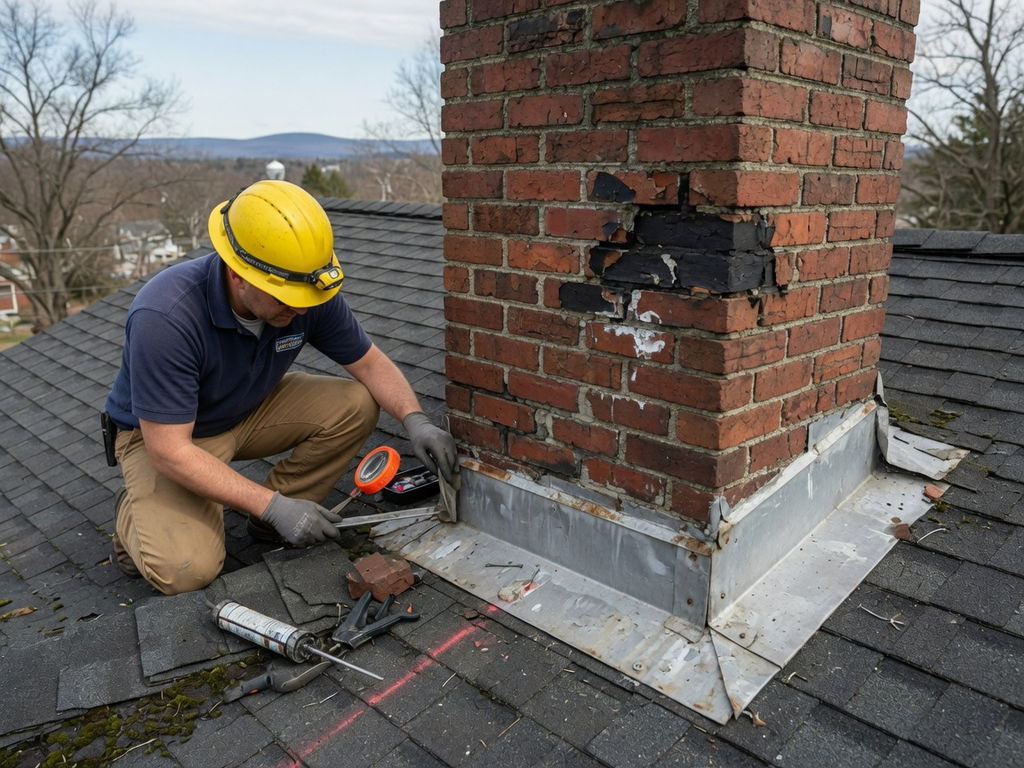
The chimney crown and roof flashing are two important protective components that help keep water out of the chimney structure.
The crown is located at the top of the masonry chimney and helps direct water away from the flue and exterior walls.
Flashing is installed where the chimney meets the roof. It creates a protective barrier that helps prevent rainwater and melting snow from entering the roofing structure.
When either component becomes damaged, moisture can gradually enter areas that should remain protected.
Common Signs of Water Intrusion
Before winter, look for:
- Visible cracks in the chimney crown.
- Damaged or loose flashing.
- Rust around metal flashing components.
- Water stains near the fireplace.
- Damp spots on nearby ceilings or walls.
- Deteriorating mortar around the chimney.
Water stains do not necessarily mean the chimney itself is the source of a leak. Damaged roofing materials, flashing, and nearby building components can also allow moisture to enter.
A professional evaluation can help identify the actual source of the problem.
Fall is a practical time to address water intrusion because repairing damaged protective components before snow and ice arrive may help prevent further deterioration.
6. Test the Fireplace Damper
The fireplace damper is a movable plate that controls airflow between the firebox and chimney.
When a wood-burning fireplace is operating, the damper must be open so smoke and combustion gases can escape. When the fireplace is completely cool and not in use, closing the damper can help reduce unwanted heat loss.
Before starting your first fire of the season, check whether the damper opens and closes properly.
Look for signs such as:
- Difficulty moving the damper.
- Visible rust or corrosion.
- Damaged handles or operating mechanisms.
- A damper that does not remain in position.
- Unusual drafts when the fireplace is not being used.
Why Proper Damper Operation Matters
A damper that does not open sufficiently can prevent smoke from escaping properly. This may cause smoke to enter the living space.
A damper that cannot close when appropriate may allow cold outdoor air to enter the home, reducing indoor comfort.
Never build a fire before confirming that the damper is open and the flue is unobstructed. If the damper is jammed or damaged, have it inspected by a professional rather than attempting a complicated repair yourself.
7. Check for Animals and Debris
During warmer months, chimneys can become attractive nesting locations for birds, squirrels, and other small animals.
Leaves, twigs, and other outdoor debris may also enter through an unprotected chimney opening.
These materials can create blockages that restrict airflow and interfere with the safe removal of smoke and combustion gases.
What to Do If You Suspect a Blockage
Watch for warning signs such as:
- Unusual sounds coming from the chimney.
- Visible nesting materials near the fireplace.
- Debris falling into the firebox.
- Smoke entering the room during fireplace use.
- Unusual odors coming from the chimney.
If you suspect an obstruction, do not light a fire until the chimney has been inspected.
A qualified technician can evaluate the flue, remove appropriate obstructions, and determine whether the chimney cap or protective screen needs attention.
If live animals are present, they should be handled using appropriate humane removal methods rather than disturbing nests or attempting unsafe removal yourself.
8. Prepare the Fireplace for Safe Operation
Chimney maintenance involves more than cleaning the flue and checking the exterior structure. The area around the fireplace should also be prepared before regular winter use.
Start by removing combustible materials from the immediate fireplace area. Newspapers, cardboard, decorative items, curtains, and furniture should be kept at a safe distance from heat sources.
For wood-burning fireplaces:
- Use properly seasoned firewood.
- Avoid burning garbage or chemically treated wood.
- Keep a suitable fireplace screen in place.
- Remove excess ashes when appropriate.
- Store firewood in a dry, well-ventilated location.
For gas fireplaces:
- Follow the manufacturer’s maintenance instructions.
- Check for visible damage to accessible components.
- Pay attention to unusual flame patterns.
- Watch for ignition problems or unexpected shutdowns.
- Arrange professional service when operating problems occur.
Homeowners should also make sure smoke alarms and carbon monoxide alarms are installed and maintained according to manufacturer instructions.
If a carbon monoxide alarm sounds, leave the home immediately and contact emergency services from a safe location.
9. Use This Fall Chimney Maintenance Checklist
Keeping track of maintenance tasks becomes easier when homeowners have a simple checklist to follow.
The following table summarizes the most important areas to evaluate before the colder months arrive.
| Maintenance Task | What to Check | When to Get Professional Help |
| Chimney inspection | Overall condition and visible damage | Before seasonal use or when problems are suspected |
| Chimney cleaning | Soot, creosote, and debris | When inspection shows cleaning is necessary |
| Chimney cap | Loose parts, rust, damage, or blockages | If the cap is missing, damaged, or obstructed |
| Brick and mortar | Cracks, gaps, or loose materials | When masonry appears damaged |
| Crown and flashing | Visible cracks and signs of water entry | If leaks or deterioration are suspected |
| Fireplace damper | Smooth opening and closing | If it sticks or operates incorrectly |
| Fireplace area | Combustible materials and general cleanliness | If the appliance or surrounding structure appears unsafe |
| Gas fireplace | Visible damage and unusual operation | For ignition, ventilation, or other operating concerns |
Completing these tasks before regular fireplace use can help homeowners identify potential problems and arrange maintenance in advance.
10. Why Fall Chimney Maintenance Matters in Castle Rock
Castle Rock’s changing seasons can create several challenges for exterior building structures.
Moisture, wind, frost, snow, and freezing temperatures can gradually affect chimney masonry and protective components. When water enters cracks in bricks, mortar, or the chimney crown, repeated freezing and thawing can make the damage worse.
A chimney that has not been inspected for an extended period may develop problems that become more noticeable when winter arrives.
By scheduling maintenance during fall, homeowners have an opportunity to identify concerns and arrange necessary repairs before temperatures drop significantly.
This is especially important for families who depend on their fireplaces for regular heating or comfort throughout the winter.
Professional chimney maintenance cannot eliminate every possible problem, but it helps homeowners understand the condition of their systems and make informed decisions about necessary repairs.
For Castle Rock residents, working with a local chimney professional can also make it easier to address weather-related masonry damage, ventilation concerns, and other seasonal maintenance requirements.
Choose Professional Chimney Maintenance Before Winter Arrives
Preparing your chimney for winter is an important responsibility for every homeowner who uses a fireplace.
While basic visual checks can help identify obvious concerns, many problems develop inside the chimney or in areas that are difficult to access without specialized equipment.
Professional inspections, appropriate cleaning, and timely repairs help maintain the condition of the entire system.
Homeowners should pay particular attention to creosote accumulation, damaged masonry, loose chimney caps, water intrusion, and ventilation problems.
If an inspection reveals deterioration or mechanical concerns, arranging professional Chimney Repair can help address the underlying problem before it becomes more extensive.
Claus Chimney Pros provides professional chimney services for homeowners in Castle Rock and surrounding Denver Metro communities. Homeowners looking for local assistance can explore Chimney Repair Services in Castle Rock to learn more about available services.
A little preparation during fall can make a meaningful difference when the colder months arrive. By following a consistent maintenance routine and addressing problems early, Castle Rock homeowners can enjoy their fireplaces with greater confidence throughout the winter season.
