

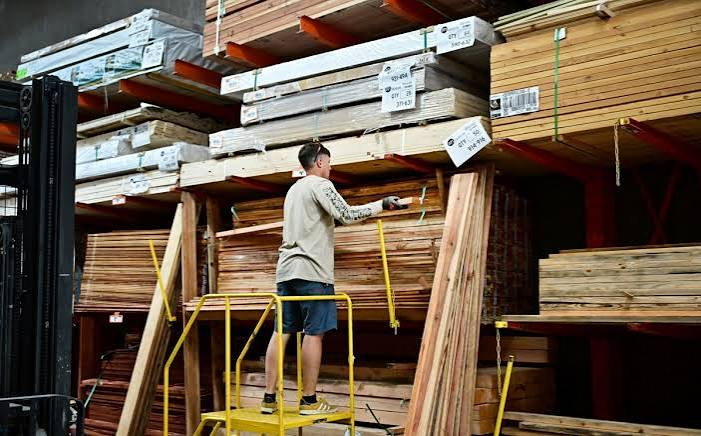
Lumber has become a hard material to read. Prices at the mill and on the trading screen have slid to their lowest level in more than two years. Yet duties on Canadian softwood remain high, builders are cautious, and many contractors say they are not feeling much relief at the lumberyard counter. For framing contractors, builders, dealers, and wholesalers across the United States, this mixed picture creates real risk.
This article explains why lumber prices are falling even with heavy trade duties, why the savings do not always reach the job site, and what practical steps you can take. The ideas below are written in simple words so you can use them in your next bid, your next purchase order, or your next customer talk.
Why Lumber Prices Have Slipped
The main reason is weak demand. New home building has slowed in many parts of the country. Mortgage rates remain high for many buyers, and builders have become careful about starting new houses. Surveys of builder confidence have shown a mood that is cautious, and credit for builders has been getting tighter. When fewer houses are started, fewer trucks of framing lumber are needed.
Supply has also played a role. Mills in the United States and Canada made a lot of lumber in recent years, and inventory in the supply chain has not cleared as fast as some expected. When supply is steady and demand is soft, prices usually drift down.
What makes this period unusual is that the drop is happening while import duties are still in place. Many people expected duties to push prices up and keep them there. For a while, they did. But duties cannot create demand. If buyers are not building, higher costs for imports do not automatically lead to higher sales.
What Is Going On With Duties and Tariffs
Canadian softwood lumber has faced anti-dumping and countervailing duties for many years. These are charges meant to offset what the United States says are unfair prices and subsidies. Recent reviews have changed the exact rates, and a separate tariff on softwood lumber has been added on top. Together, the total charge on many Canadian shipments remains well above what it was a few years ago.
There have also been changes for other wood products. Some tariffs on certain products have been added, and some have been lifted. For example, tariffs on a few wood-related goods were removed recently, which may change how buyers compare lumber with other materials. Courts and trade panels continue to review parts of these decisions, and talks between the two countries are still going on.
The lesson for contractors and suppliers is not to guess the outcome. Policy can change with little warning, and either direction is possible. Treat duties as a risk that needs a plan, not as a fact that will stay the same.
Why Builders Do Not Always See Lower Prices Right Away
When prices fall at the mill, the savings often take time to reach the builder. Housing economists have noted that it can take a few weeks, or even a couple of months, before lower prices show up in what a builder pays. Wholesalers and dealers often hold inventory that they bought at earlier, higher prices. They need time to sell through that stock before they can pass on new savings.
The opposite is usually faster. When prices climb, many sellers raise their prices right away to protect their margins. This uneven pattern can make contractors feel that they always lose, no matter which way the market moves.
Knowing this pattern helps you plan. If you see prices dropping on the market, do not expect the same drop in your next quote. Ask your supplier when the lower-cost inventory is expected to arrive and whether a price protection plan is available.
Risks for Contractors in a Falling Market
Many people think falling prices are good news for everyone. That is not always true. Contractors face a few special risks when prices are dropping.
- Bid mismatch. If you bid using old, higher prices, a competitor who uses newer, lower prices may beat you.
- Locked-in cost. If you bought material early to protect against increases, you may now hold lumber that cost more than today’s market.
- Owner pressure. Owners who see lower market prices in the news may ask for discounts, even when your actual cost has not changed.
- Cash flow stress. Tight credit means fewer owners can pay quickly, and fewer builders can start new work, which slows income for everyone down the chain.
The best defense is clear communication. Explain to owners how material pricing works, and show them the date and source of your numbers. A price built on current quotes, with a fair expiration date, is easier to defend than a price built on guesses.
Risks for Material Suppliers and Dealers
Suppliers face their own challenges. Holding inventory in a falling market can be costly, because the value of stock drops while storage, handling, and financing costs stay the same. Buying too little is risky, too, because prices can rebound quickly if mills cut output or if duties rise.
Many suppliers use a middle path. They buy in smaller, more frequent lots, so they do not hold too much of any one product. They also watch order patterns closely and keep fast-moving items in stock while limiting slow-moving specialty sizes.
Supplier relationships matter as well. Dealers who give honest updates on delivery times and price changes tend to keep their customers when the market turns. A short weekly note to your top builders about expected price direction can build trust at very low cost.
How to Build Better Lumber Bids
A good lumber bid starts with accurate quantities. In an uncertain market, there is no room for a missed stud count or a wrong beam size. Many framing contractors turn to outside wood framing takeoff services when schedules are tight, so that wall, floor, and roof members are listed clearly before supplier quotes are requested. When quantities are firm, the only variable left is price, and that is easier to manage with short quote periods and clear terms.
Next, ask for written quotes from at least two suppliers. Compare the products carefully, because grades, lengths, and species can differ. Make sure the quote states how long the price is valid and whether delivery or fuel charges are added.
Finally, set up a simple pricing note in your bid. State the date of your material prices and explain how changes will be handled if the owner delays the start. This single sentence can prevent many arguments later.
Smart Purchasing Habits
Good purchasing is a mix of timing, planning, and flexibility. These habits help many contractors.
- Split your orders. Instead of buying everything at once, order the main framing package in stages that match the schedule.
- Ask about price protection. Some suppliers offer a price lock for a set period. This can help on longer jobs.
- Check substitute products. Engineered lumber, plywood, or different species may be available at better prices. Always confirm that substitutes meet the plans and local code.
- Watch lead times. Special lengths and engineered members can take longer to arrive than common framing stock.
- Keep track of waste. Over-ordering costs money no matter what the market is doing. Record what is used and what is left.
These steps are simple, but they work best when everyone on the team follows them. A good purchasing habit is worth much more than a good guess about where prices will go next.
Getting the Counts Right From the Start
Accuracy at the start of a project saves time and money later. Each wrong count leads to extra trips, rush orders, and stored scrap. Some companies handle all measuring in-house, while others use outside lumber takeoff services to prepare a full list of boards, beams, sheathing, and hardware from the plans. Either way, a clean material list lets you send the same request to several suppliers and compare their answers easily.
A few checks help any team. Compare floor plans with framing plans and sections to catch changes. Review every revision, since a small design update can change many members. Confirm lengths, grades, and treatment needs, such as pressure-treated sills. And include fair allowances for cuts, waste, and damaged pieces.
After the build, compare the order with actual use. This simple report shows where errors happen and makes the next bid more precise.
Housing Affordability and What It Means for the Trades
Lumber is only one part of the cost of a new home, but it is a visible one. Housing groups have long argued that duties on building materials add to the price of homes and make buying harder for families. Other groups say duties help protect American mills and jobs. Both views are part of the national debate, and neither side has settled the question.
For contractors and suppliers, the practical point is that affordability affects demand. When buyers feel that homes cost too much, fewer homes are started. That slows work for framers, material dealers, truckers, and many other trades. Any improvement in costs or rates can bring work back, so it pays to stay ready.
Contract Terms to Review
In an uncertain market, a clear contract is one of your best tools. Before you sign, look closely at these points.
- Price adjustment language. Check if material cost changes can be shared between owner and contractor.
- Start date changes. If the owner delays the start, make sure your prices can be updated.
- Substitution rights. Agree on how material changes will be approved and who benefits from savings.
- Payment timing. Confirm when material and labor payments are due, especially if you must buy early.
Fair terms protect both sides. They also reduce the chance of costly disputes when the market moves in an unexpected way.
Preparing for the Months Ahead
Nobody can say for sure where lumber prices will go next. Some analysts expect prices to recover over time as supply tightens, while others point to weak housing as a reason for caution. Policy changes could move the market in either direction.
The wise choice is to stay flexible. Keep a mix of work types in your pipeline, build good ties with more than one supplier, and review your numbers often. Keep some cash on hand, since credit may stay tight for a while.
It is also helpful to follow trusted sources, such as industry associations, supplier updates, and market reports. Use them to understand the direction of the market, but make your decisions based on your own project needs and your own risk limits.
Final Thoughts
The lumber market is sending mixed signals. Prices are down, but duties remain high, builders are cautious, and relief does not always reach the job site. This is a time for careful planning rather than quick moves.
Contractors who measure carefully, bid with current numbers, communicate openly, and keep their purchasing flexible will be in the best position. Suppliers who share honest updates and manage inventory with care will keep their customers. Review your current bids and orders this week, confirm your quote dates, and talk with your suppliers about what they expect. A few smart steps now can protect your profit in the months ahead.
