

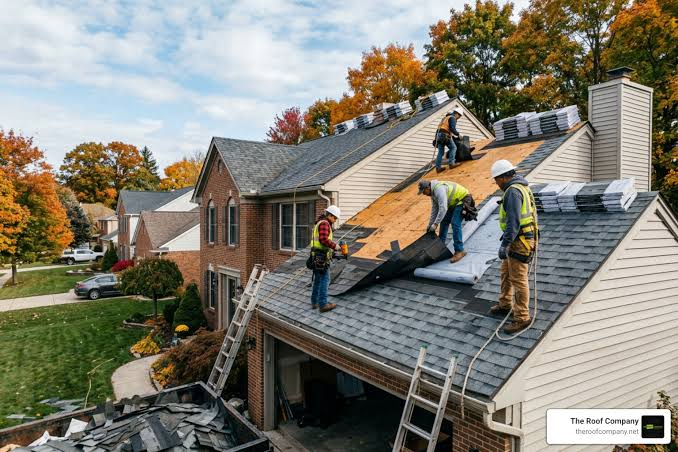
Roofing is under pressure from several sides at once. Material costs have climbed, fuel and delivery costs are high, and severe weather keeps damaging roofs across the country. Insurance companies are paying out huge sums on roof claims, and many are now looking at those claims more closely. At the same time, homeowners and building owners want strong roofs that last, and they want them at a fair price.
Local news reports and industry groups this season describe a perfect mix of rising costs, supply problems, and tighter insurance rules. For roofing contractors and material suppliers, this means that old ways of pricing and selling may no longer work. This article explains the main pressures, shows how they connect, and offers simple steps to help your business stay profitable.
Why Roofs Cost More to Install Than They Used To
Several costs have moved up at the same time. Asphalt shingles, underlayment, flashing, nails, and insulation products have all seen price increases in recent years. Manufacturers often announce price changes once or twice a year, and these changes have been steady. Metal products and fasteners have also been affected by tariffs on imported metals.
Fuel is another big piece. Roofing materials are heavy, and trucks must carry them to supply yards and job sites. When diesel prices are high, delivery charges rise. Crews also spend more on fuel to travel to jobs and to run equipment.
Labor adds to the cost. Roofing is hard work done in heat, cold, and at height. Skilled roofers are not easy to find, and many companies must pay higher wages and spend more on training and safety to keep good workers. Rising insurance costs for the roofing company itself add one more layer.
How Weather and Insurance Claims Shape the Market
Roof damage is one of the largest causes of home insurance losses in the United States. Wind and hail are the main reasons. Insurance data shows that roofing items make up a big share of the items listed in property claims. Even years with fewer large disasters still produce many smaller storms that damage roofs, and those smaller events add up.
Older roofs make the problem worse. A roof near the end of its life is much more likely to fail in a storm. Because many homes in the country are aging, the number of roofs at risk keeps growing.
In response, insurers have become more careful. Many now ask for more photos and reports, review claims more closely, and sometimes change coverage rules for older roofs. Some contractors say that approvals take longer and that disputes about repair methods and local code rules are more common. This slows work and affects cash flow for roofing companies that depend on claim-based jobs.
What This Means for Residential Roofing Contractors
For a residential roofer, these changes call for better paperwork and better planning. When a job involves an insurance claim, every step should be recorded. Take clear photos before work starts, during the job, and after it is done. Note the roof size, slope, layers, and any hidden damage found when old materials are removed.
Be careful about what you promise. A homeowner may expect the insurer to pay for everything, but approvals can change. Explain the process in plain words and give a written scope of work. State clearly what happens if hidden damage is found or if the insurer pays less than expected.
Prices also need regular review. If you give a quote and the job starts weeks later, material costs may have changed. Many contractors now use a short price validity period and include a note about material price changes in their contracts.
Opportunities and Risks for Commercial Roofing
Commercial roofing faces a slightly different mix. Low-slope roofs on warehouses, schools, offices, and stores rely on membranes, insulation, adhesives, and metal edge parts. Reports from construction owners show that roofing membrane and insulation prices have gone up in many markets, and delivery times can be long for certain products.
Building owners want predictable costs, and they often work with set budgets and fixed schedules. If prices rise after a bid is submitted, the contractor may be stuck with the difference. That is why price holds, early orders, and clear contract terms are so important on commercial jobs.
There is also good news. Many owners are planning long-term repairs and replacements to protect their buildings and cut energy costs. Reflective roof surfaces, better insulation, and well-planned maintenance programs are all in demand. Contractors who can offer these services have a steady path to growth.
Pricing Roof Jobs With Care
A solid roof price starts with solid numbers. Many roofing companies now use outside roofing estimating services during busy storm seasons, so that quotes go out quickly and every part of the job, from tear-off to ridge cap, is priced in a clear way. When the pricing is complete, it is easier to explain the quote to the owner and to defend it against lower bids that leave things out.
Be sure the quote shows each major piece. List the tear-off, deck repair, underlayment, shingles or membrane, flashing, vents, drip edge, disposal, and permits. Add a clear price per sheet for decking repair, so that unexpected rot can be handled without a long argument.
Finally, remember overhead and risk. High insurance costs, fuel, and the chance of weather delays should be part of your price. A bid that ignores these items may win the job but lose money.
Smart Buying Habits for Roofing Contractors
Material purchasing can protect or hurt your margins. These habits help many roofing companies.
- Compare suppliers regularly. Prices, delivery fees, and credit terms can differ a lot from one supplier to another.
- Ask about price protection. Some suppliers offer a price lock on larger jobs, which can help when a price increase has been announced.
- Order close to need, but not too late. Delivering materials a day or two before the work is ideal. Early delivery risks theft and weather damage, while late delivery wastes crew time.
- Keep storage safe. Cover bundles and rolls, keep them off the ground, and follow the maker’s rules on heat and moisture.
- Track waste. Record how much material is used and how much is left. Over time, this shows where you can save.
Good buying habits are also part of a good relationship with your supplier. A supplier who knows your schedule can plan deliveries and tell you about price news early.
How Material Suppliers Can Stay Ahead
Roofing suppliers sit in the middle of a busy and uncertain market. Contractors rely on them for stock, delivery, and advice. In a time of rising costs and storm demand, strong service can set a supplier apart.
Honest communication comes first. Share price change notices as early as you can. Tell contractors when a product is running short and offer alternatives. After a big storm, demand can jump suddenly, and clear information helps contractors plan.
Next comes delivery. Rooftop delivery, early morning drop-offs, and good loading practices save crew time. Many contractors will pay a fair fee for reliable service.
Suppliers can also help with training and product knowledge. Short classes on new products, installation steps, and code rules help contractors do better work. They also build loyalty that lasts longer than any one price.
Storm-Ready Roofing and Resilience Programs
Because roof losses are so costly, interest in stronger roofs is growing. Programs such as the FORTIFIED roof standard, created by a nonprofit group focused on disaster safety, set out specific building steps that make roofs more resistant to wind. These include sealed roof decks, stronger nailing, and better edge details. Some insurers and states offer discounts or incentives for roofs built to these standards.
For roofing contractors, this is a chance to offer a higher-value service. Homeowners in storm-prone areas may be willing to pay more for a roof that lowers risk and may help with insurance costs. Training and certification can set your company apart from competitors who only offer basic replacement.
For suppliers, stocking the products needed for these upgraded roofs, such as sealed-deck tapes, ring-shank nails, and high-wind underlayments, can open a new line of sales. Ask your manufacturers which products meet the needs of resilience programs in your area.
Counting Materials the Right Way
When prices are high, a small counting mistake is expensive. Over-ordering ties up cash and leaves unused material on the site. Under-ordering delays the job and may cost a second delivery fee. A strong material list is a key part of a profitable roofing job.
Some contractors measure roofs by hand or with aerial images, and others use outside roofing takeoff services to turn plans and photos into clear counts of squares, hips, ridges, valleys, flashing, and accessories. Whichever method you use, always compare the measurements to what you see on site, since older roofs may have hidden layers or odd shapes.
A few extra checks help. Look at pitch, since steep roofs need more material and more safety steps. Count penetrations such as pipes, vents, and skylights. Include starter strips, drip edge, and waste factors for cuts. For commercial work, check the details for edge metal, insulation thickness, and drainage.
Contract Terms That Protect Both Sides
In this kind of market, a clear contract is one of the best tools a roofer has. Review these points before you sign.
- Scope of work. Describe exactly what is included, and what will be treated as extra if hidden damage is found.
- Price change language. Explain how price changes will be handled if the start is delayed or materials jump in cost.
- Insurance claim terms. If the job depends on a claim, state who is responsible if the insurer denies or reduces payment.
- Weather delays. Agree on how rain, wind, and cold will affect the schedule.
- Warranty terms. Be clear about what the product warranty covers and what the workmanship warranty covers.
A fair and easy-to-read contract builds trust. It also reduces the chance of costly arguments after the job is done.
Looking Ahead
Roofing demand is likely to stay strong because storms keep coming and roofs keep aging. At the same time, cost pressure and insurance scrutiny are not likely to go away soon. Contractors and suppliers who prepare now will have an edge.
Keep your crews trained and your safety record strong. Keep your paperwork clean. Build good ties with suppliers and keep a close eye on fuel and material costs. A business with steady cash flow and honest communication is able to handle changes in the market.
Final Thoughts
Roofing is going through a demanding time. Costs are up, storms are frequent, and insurers are looking closely at claims. Yet these same pressures also create chances for contractors and suppliers who are prepared. Better pricing, clear contracts, careful counts, and stronger roof systems can all help protect your margins and your reputation.
Take a fresh look at your quotes, your supplier terms, and your claim paperwork this week. Talk with your customers about storm-ready options, and ask your suppliers what price changes are coming. Small steps taken now can help your business stay steady in a busy and changing market.
