

A flat tire miles into a remote trail turns a good ride into a long walk. While no tire is completely immune to punctures, the frequency of flats often comes down to choices made well before the ride even starts: tire construction, pressure habits, and how well the setup matches the terrain being ridden. Riders who deal with repeated flats or sidewall damage are often working with a mismatch somewhere in that chain, not just bad luck.
This article focuses specifically on durability, what actually causes most punctures and cuts, and how to set up a tire that holds up over a full season of riding instead of needing constant patching or replacement.
What Actually Causes Most Trail Punctures
Sharp rocks get the blame for most flats, but pinch flats, caused by the tire compressing hard enough to squeeze the tube or sealant layer against the rim, are just as common on technical terrain. These usually happen when pressure is too low for the impact force of a given trail, letting the rim bottom out through the tire on a hard hit. Sidewall cuts, meanwhile, tend to come from glancing contact with sharp rocks on off-camber sections, where thinner casings offer less resistance to slicing.
Identifying which type of damage you experience most often helps target the right fix. Frequent pinch flats point to a pressure or casing stiffness issue, while repeated sidewall cuts suggest the casing itself may be too light for your terrain.
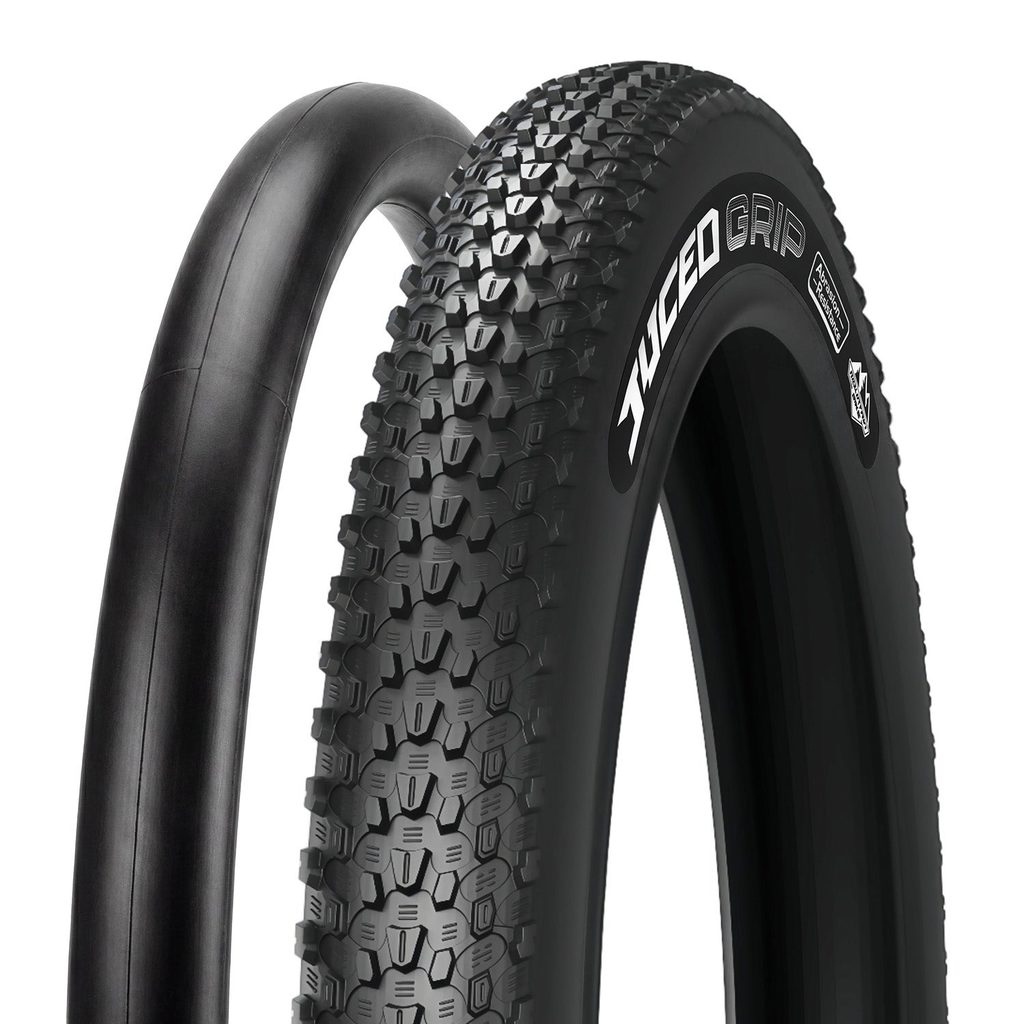
The Role of Sealant and Insert Systems
Tubeless setups with sealant close small punctures automatically in many cases, but sealant has limits. Larger cuts or tears often overwhelm sealant’s ability to seal, especially on tires with lighter casings. Foam or air-based tire inserts add another layer of pinch flat protection by preventing the rim from fully bottoming out, though they add some weight and cost to the setup.
Matching Casing Weight to Realistic Riding Demands
Casing selection is where most durability decisions actually get made, more so than tread pattern or compound. A double-layer or reinforced casing adds resistance to cuts and pinch flats at the cost of some rolling efficiency and a slight weight penalty. For riders on rocky, root-heavy, or rough terrain, that trade-off is almost always worth it, since the time lost to a trailside repair far exceeds any marginal speed gained from a lighter tire.
Riders on smoother, less technical trails can reasonably prioritize lighter casings without much durability risk, since the terrain itself poses less threat to the tire. Being honest about your actual trail conditions, rather than your aspirational ones, leads to a more appropriate casing choice.
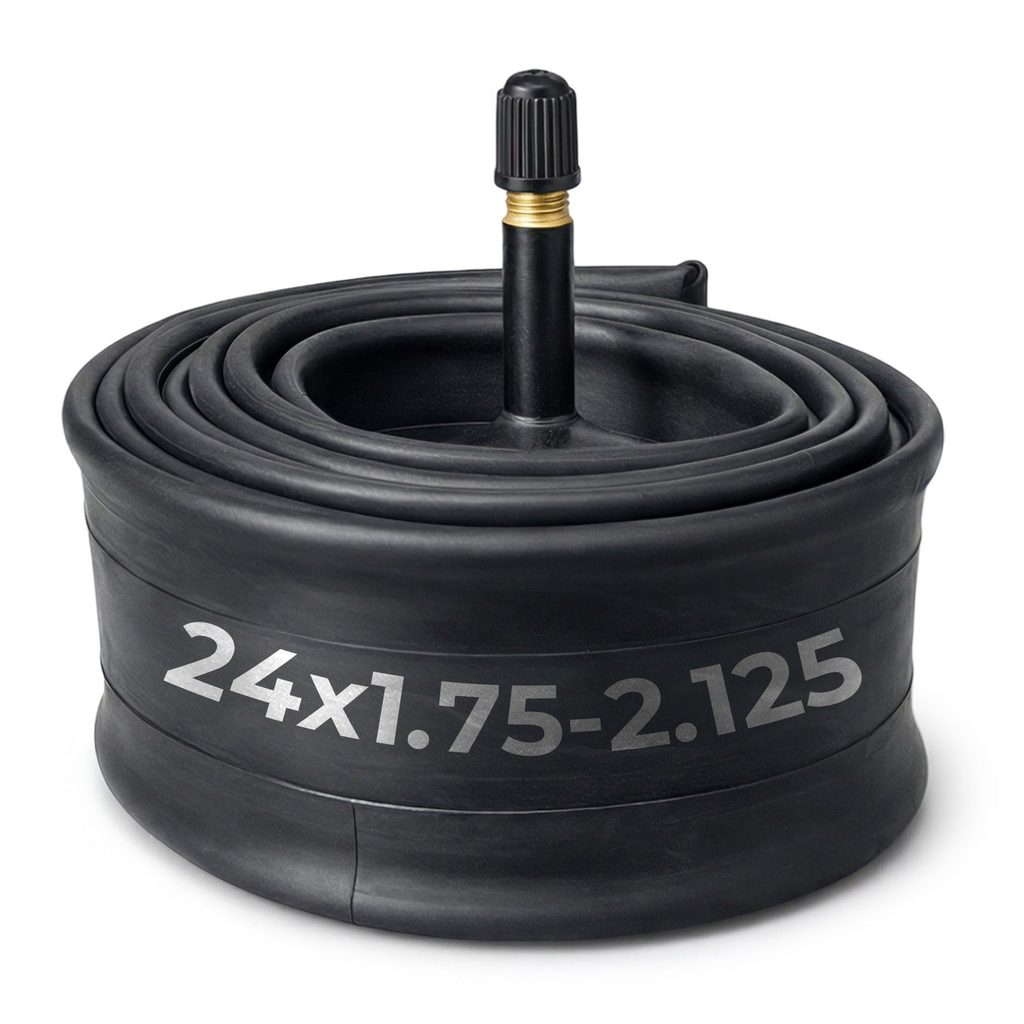
Pressure Habits That Prevent Repeat Flats
Running slightly higher pressure than the bare minimum for grip adds a real margin of safety against pinch flats, particularly on unfamiliar trails where you can’t anticipate every hidden rock or root. It’s a small trade-off in ride comfort for a meaningful reduction in flat frequency, especially on longer rides where a repair kit and tools add unwanted weight and delay.
Building a Setup That Lasts a Full Season
Combining an appropriately reinforced casing, sensible pressure, and a sealant or insert system suited to your terrain creates a setup that resists most common causes of trail damage without requiring constant vigilance. Juceo’s tire construction reflects this same layered approach to durability, aiming to reduce the frequency of trailside repairs without pushing weight to unreasonable levels.
When evaluating a mountain bike tire for durability specifically, checking casing specifications and reading how the tire performs on terrain similar to yours matters more than focusing on tread pattern alone.
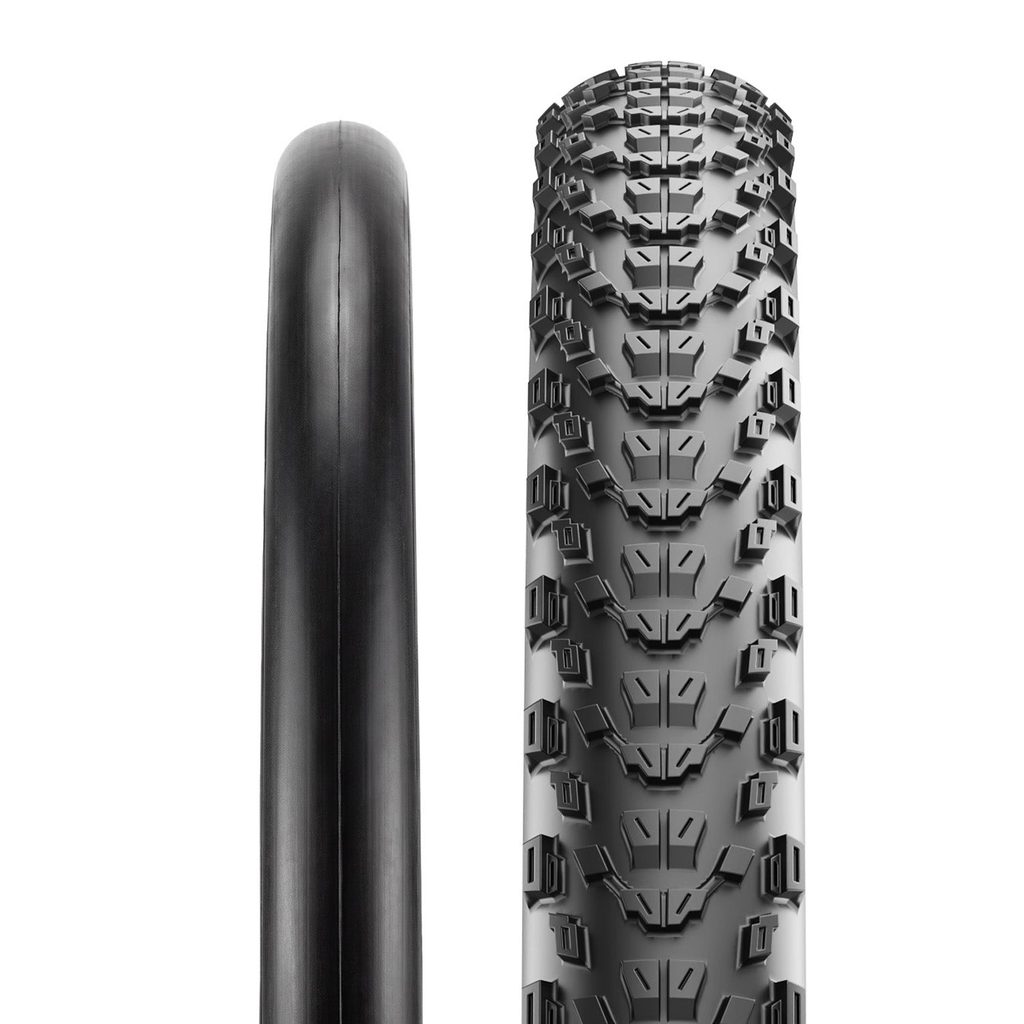
A season with fewer flats isn’t about luck, it’s the result of a setup built to handle the specific demands of the terrain you actually ride, rather than one optimized for a different set of priorities entirely.
Fewer Repairs, More Time on the Trail
Durability comes down to a handful of controllable factors: casing strength, pressure habits, and sealant or insert protection matched to your terrain. Riders who take the time to align these with their actual riding conditions see a real drop in flats and sidewall damage over a season.
Before your next long ride, take a look at your current setup with these factors in mind. A few adjustments now can mean far fewer interruptions later, and more time spent actually riding instead of fixing.
