

Modern buildings are expected to deliver far more than attractive interiors. Today’s homeowners, architects, and commercial developers seek solutions that balance aesthetics, functionality, and safety without compromising valuable space.
One design feature gaining popularity is the sliding pocket door. Unlike conventional hinged doors, pocket doors slide neatly into a concealed wall cavity, creating a clean, contemporary appearance while maximizing usable floor space. As building regulations continue to prioritize fire safety, fire-rated sliding door systems have become an increasingly practical solution for both residential and commercial environments.
From what I’ve observed, many renovation and new-build projects now prioritize products that serve multiple purposes. Fire-rated sliding doors are an excellent example of combining modern design with essential safety features.
Why Fire Safety Should Never Be Overlooked
Fire protection is a critical consideration in every building, regardless of size or purpose.
While smoke detectors, sprinkler systems, and emergency exits all contribute to overall safety, passive fire protection products help slow the spread of fire and smoke, providing occupants with valuable time to evacuate safely.
Building designers increasingly incorporate fire-resistant materials into:
- Residential homes
- Apartment developments
- Hotels
- Offices
- Healthcare facilities
- Educational buildings
- Mixed-use developments
These measures not only support occupant safety but also help buildings comply with relevant construction standards and fire regulations.
What Are Fire Rated Sliding Doors?
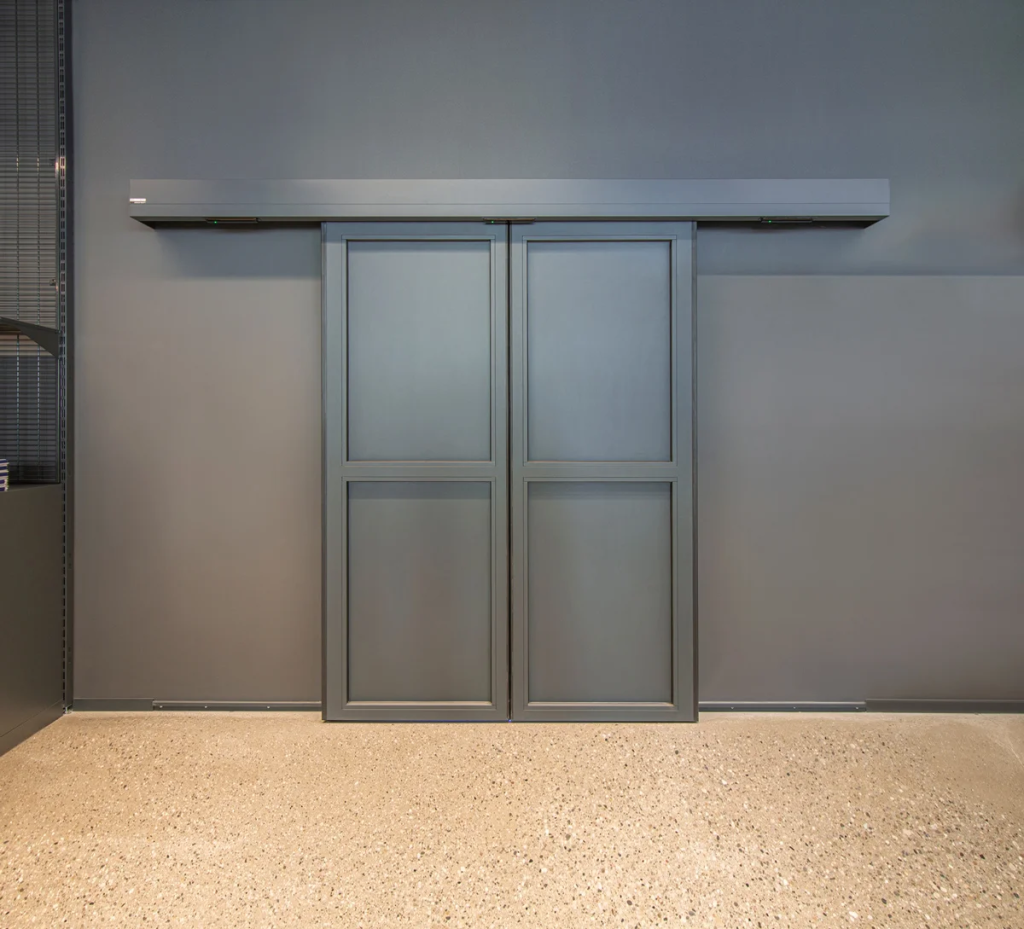
Fire rated sliding doors are specially engineered door systems designed to resist the spread of fire and smoke for a specified period, commonly 30 or 60 minutes depending on the product and certification.
Unlike traditional fire doors that swing open, sliding pocket doors disappear into a concealed cavity when opened, making them ideal for areas where space is limited.
These systems combine:
- Fire-resistant door leaves
- Reinforced pocket frames
- Certified hardware
- Intumescent sealing systems
- Tested structural components
Together, these elements help maintain the integrity of fire compartments during an emergency.
Space-Saving Benefits
One of the biggest advantages of sliding pocket doors is their ability to maximize usable floor space.
Traditional hinged doors require clearance for opening and closing, which can limit furniture placement and reduce layout flexibility.
Pocket door systems eliminate this issue by sliding neatly into the wall.
They are particularly useful for:
- Bathrooms
- Home offices
- Utility rooms
- Apartments
- Meeting rooms
- Hotel suites
- Accessible living spaces
The result is a cleaner layout that supports modern interior design while improving everyday functionality.
Supporting Contemporary Interior Design
Minimalist interiors continue to influence both residential and commercial architecture.
Sliding door systems contribute to this design style by creating uninterrupted wall lines and reducing visual clutter.
Popular interior trends include:
Open-Plan Living
Pocket doors allow homeowners to separate spaces only when needed while maintaining an open feel throughout the property.
Flexible Workspaces
Commercial offices increasingly use sliding systems to create adaptable meeting rooms and collaborative spaces.
Modern Renovations
Architects often specify concealed sliding doors to achieve streamlined interior finishes.
By combining aesthetics with practical performance, these systems support a wide variety of architectural styles.
Why Certified Fire Performance Matters
Not all doors provide the same level of protection.
Fire-rated products undergo extensive testing to verify their ability to withstand fire exposure for specified durations.
When selecting fire rated sliding doors, it is important to choose certified systems that have been tested to recognized fire safety standards and installed according to manufacturer specifications.
Proper installation plays a significant role in ensuring the system performs as intended during an emergency.
Choosing the Right Sliding Door System
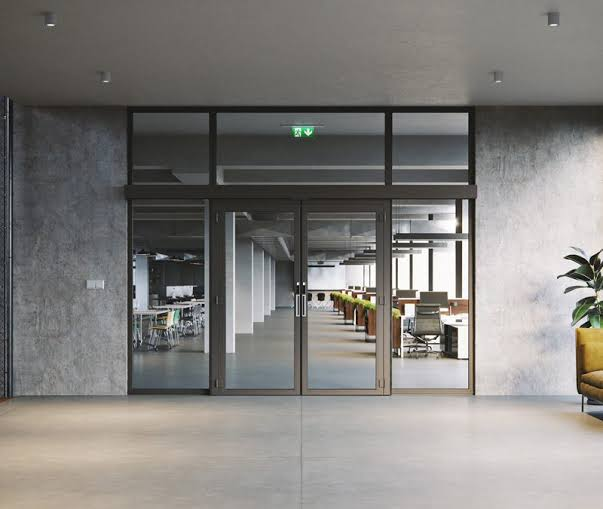
Every building has unique design and safety requirements.
When evaluating fire-rated pocket door systems, consider:
Fire Rating Requirements
Different applications may require different fire resistance periods depending on local regulations.
Wall Construction
Pocket door systems should be compatible with the wall structure and intended installation method.
Accessibility
Smooth operation improves convenience for all building occupants.
Interior Design Goals
Select finishes and hardware that complement the overall design aesthetic.
Long-Term Durability
High-quality materials help ensure reliable performance throughout the life of the building.
Future Trends in Interior Architecture
The demand for multifunctional building products continues to grow.
Emerging trends include:
- Space-saving architectural solutions
- Sustainable building materials
- Integrated fire protection systems
- Minimalist interior design
- Flexible room layouts
- Improved accessibility
Fire-rated sliding systems align well with these developments by providing practical solutions that support both safety and modern design.
Practical Tips for Property Owners
Before selecting a fire-rated sliding door system, consider the following:
- Verify fire certification documentation.
- Ensure professional installation.
- Follow manufacturer maintenance recommendations.
- Confirm compatibility with local building regulations.
- Select quality hardware designed for long-term reliability.
Careful planning helps maximize both safety and performance.
Conclusion
Today’s building projects demand solutions that combine safety, functionality, and contemporary design. Fire-rated sliding doors offer an effective way to protect occupants while making better use of available space and enhancing interior aesthetics.
Whether incorporated into residential renovations, commercial developments, hospitality projects, or public buildings, certified sliding pocket door systems provide a practical balance between architectural flexibility and passive fire protection. By selecting quality products and ensuring proper installation, property owners can create interiors that are both visually appealing and built with long-term safety in mind.
