

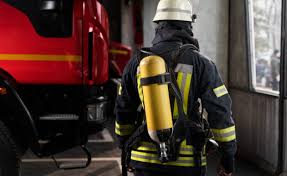
In today’s safety-driven environment, Fire Watch Companies Near Me has become one of the most frequently searched phrases among businesses, contractors, and facility managers who prioritize risk prevention and compliance. As infrastructure expands and construction activities increase across urban and industrial zones, the demand for trained fire watch personnel continues to grow steadily. Industry observations suggest that facilities using dedicated fire watch services experience significantly improved hazard detection rates, especially during equipment downtime or high-risk operations. These services are not just an added precaution but a structured safety layer that supports continuous monitoring and rapid response when it matters most.
What makes fire watch services an essential part of modern safety systems?
Fire watch services are essential because they provide real-time human monitoring in environments where automated systems may be inactive or insufficient. Statistics from safety management reports often show that early human detection can reduce response delays during fire incidents, improving overall control outcomes. Fire watch personnel actively patrol assigned areas, identify potential hazards, and ensure immediate response readiness. Their role strengthens the safety infrastructure by filling critical gaps during system maintenance, construction work, or emergency conditions where fire alarms or sprinklers may not be fully operational.
How do fire watch companies contribute to risk reduction on-site?
Fire watch companies reduce risk by maintaining continuous surveillance of high-risk zones. This includes monitoring electrical equipment, construction activities, heating systems, and storage areas where fire hazards may develop unexpectedly. Data from industrial safety assessments indicates that consistent monitoring can lower the likelihood of uncontrolled fire escalation during operational disruptions. Fire watch professionals are trained to recognize early warning signs such as unusual heat, smoke, or equipment malfunction. Their proactive presence ensures that risks are identified and addressed before they develop into critical incidents.
Why is demand for fire watch services increasing in various industries?
The rising demand for fire watch services is closely linked to expanding infrastructure projects, stricter safety regulations, and increased awareness of workplace safety. Construction sites alone account for a significant portion of fire watch deployments due to frequent hot work activities and evolving site conditions. Industrial facilities also require these services during maintenance shutdowns or equipment upgrades. Statistical trends suggest that organizations are investing more in preventive safety measures rather than reactive solutions, making fire watch services a preferred choice for maintaining compliance and operational continuity.
What role do fire watch professionals play during system failures?
During fire alarm or sprinkler system failures, fire watch professionals become the primary line of defense. They perform continuous patrols, maintain observation logs, and ensure that all emergency pathways remain accessible. Their responsibility includes immediate reporting of hazards and initiating evacuation procedures if necessary. Industry data highlights that temporary fire watch coverage during system outages significantly reduces operational downtime risks. Their presence ensures that safety standards are maintained even when automated systems are unavailable, offering uninterrupted protection across the facility.
How is fire watch coverage typically structured during operations?
Fire watch coverage is structured based on the risk level and operational requirements of a site. In high-risk environments, continuous monitoring is implemented, while moderate-risk areas may require scheduled patrols at specific intervals. Professionals maintain detailed logs that document observations, time stamps, and safety conditions. These records are often used for compliance verification and internal audits. Structured coverage ensures that no area is left unmonitored, and potential hazards are consistently tracked throughout the service duration.
What training do fire watch personnel usually undergo?
Fire watch personnel undergo specialized training focused on hazard identification, emergency response, communication protocols, and evacuation procedures. Their training emphasizes situational awareness and quick decision-making under pressure. Statistical safety reports suggest that trained fire watch teams respond more effectively to early-stage fire incidents compared to untrained personnel. They are also trained to use fire extinguishers and coordinate with emergency services when required. This structured training ensures that they can handle both preventive monitoring and emergency intervention efficiently.
In what types of environments are fire watch services most commonly used?
Fire watch services are widely used in construction sites, manufacturing facilities, warehouses, commercial buildings, and public venues. Construction environments often require fire watch due to welding, cutting, and other hot work activities. Manufacturing units rely on them during machinery maintenance and production downtime. Warehouses and storage facilities benefit from constant monitoring due to the presence of flammable materials. Statistical trends show that environments with higher equipment density and operational complexity tend to utilize fire watch services more frequently.
How quickly can fire watch teams respond to emergency requirements?
Response time is one of the most critical aspects of fire watch operations. In many cases, professional teams are able to deploy quickly depending on urgency and location. Emergency requests are often prioritized to ensure immediate coverage during system failures or unexpected risks. Industry patterns indicate that rapid deployment plays a significant role in minimizing operational disruption and maintaining safety continuity. The ability to mobilize trained personnel efficiently ensures that safety gaps are closed without delay.
What kind of reporting systems do fire watch companies use?
Fire watch companies typically use structured reporting systems that document patrol activity, hazard observations, and safety conditions. These reports are maintained at regular intervals and provide a clear record of on-site monitoring. Statistical safety audits often rely on these reports to evaluate compliance and risk management effectiveness. Documentation may include time logs, incident notes, and environmental observations. This structured approach ensures transparency and helps organizations maintain accountability during fire watch operations.
How do fire watch services improve compliance with safety regulations?
Fire watch services help organizations comply with fire safety regulations by ensuring continuous monitoring during vulnerable periods. Regulatory frameworks in many regions require fire watch coverage when fire protection systems are inactive or when high-risk operations are underway. Statistical compliance studies show that organizations using professional fire watch services are better aligned with inspection standards. Their documented patrols and structured monitoring processes support audit readiness and reduce the risk of regulatory violations.
Why is local availability important when choosing fire watch services?
Local availability ensures faster response times and more efficient deployment during emergencies. When businesses search for Fire Watch Companies Near Me, proximity becomes a key factor in ensuring timely service delivery. Local teams are often more familiar with regional safety expectations and environmental conditions, allowing them to adapt quickly to specific site requirements. Statistical insights suggest that proximity-based service providers contribute to more efficient coverage coordination and reduced operational delays.
What benefits do businesses experience from fire watch services?
Businesses benefit from fire watch services through improved safety assurance, reduced risk exposure, and enhanced operational continuity. Continuous monitoring helps prevent incidents that could lead to property damage or operational shutdowns. Safety reports consistently show that proactive fire watch implementation contributes to fewer emergency escalations. Additionally, businesses gain improved compliance standing and increased confidence among employees and stakeholders. The structured presence of trained personnel reinforces a culture of safety across the organization.
How does fire watch support long-term safety planning?
Fire watch services play a significant role in long-term safety planning by acting as a flexible and scalable safety solution. Organizations often integrate fire watch coverage into their broader risk management strategies during construction phases, renovations, or system upgrades. Statistical analysis in safety planning indicates that temporary monitoring solutions reduce long-term risk exposure when properly implemented. Fire watch teams provide adaptability, ensuring that safety measures remain effective even during changing operational conditions.
Conclusion
Fire watch services have become a vital component of modern safety systems, especially in environments where fire risks are dynamic and unpredictable. The increasing demand for Fire Watch Companies Near Me reflects a broader shift toward proactive risk management and compliance-driven operations. With structured monitoring, trained personnel, and rapid response capabilities, these services provide a dependable layer of protection across various industries. As safety expectations continue to rise, fire watch solutions will remain an essential part of maintaining secure, compliant, and well-managed operational environments.
