

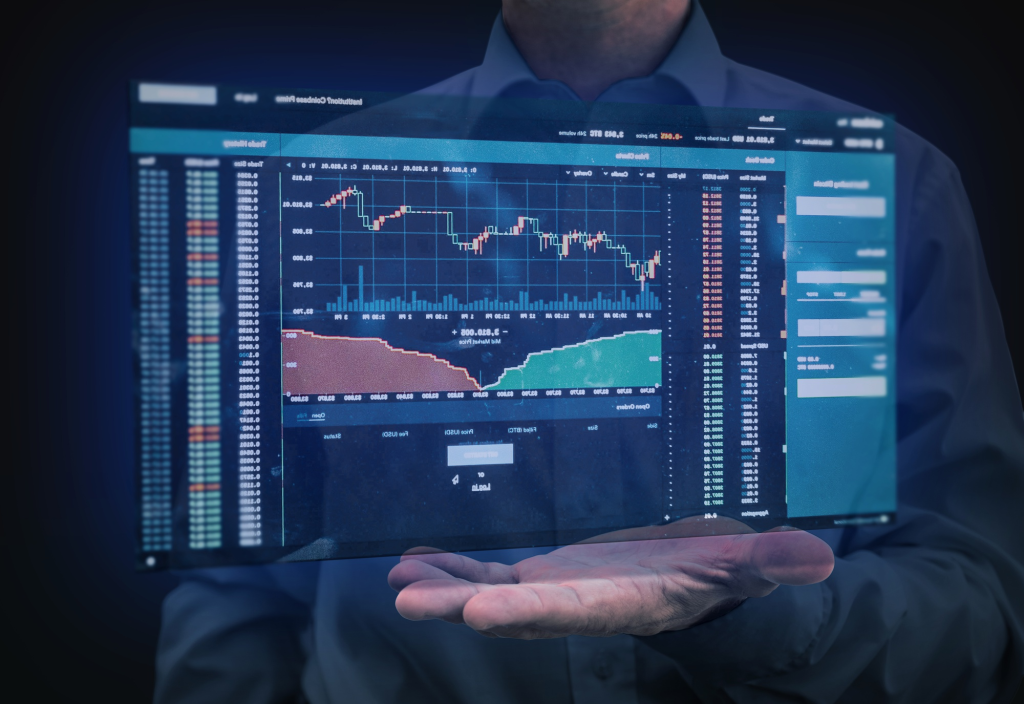
A multi-asset trading platform is an all-encompassing financial ecosystem that allows traders to monitor, execute, and manage a variety of asset classes (cryptocurrencies, forex, equities, and commodities) from a single platform. A seamless platform relies on zero-latency order routing, intelligent risk management, and an intuitive user interface.
Key Takeaways:
- Modern traders are abandoning single-purpose apps in favor of unified interfaces to consolidate access to global markets.
- Multi-asset platforms often allow cross-margining, enabling traders to use crypto or stock equity to back forex or commodity trades.
- The focus of Indian retail investors is shifting from isolated crypto trading to multi-asset diversification.
In 2026, the global fintech landscape is not just defined by individual, siloed markets. Traders no longer need multiple applications, one dealing with international equities, another for foreign exchange, and a completely separate wallet for digital assets. It has gradually been replaced by multi-asset trading platforms.
For high-performing traders and busy professionals, factors that dictate success include speed, execution accuracy, and immediate access to global liquidity. Thus, to thrive in this environment, learning what a truly seamless multi-asset trading platform is becomes critical. That is exactly what this blog aims to do.
Why Fragmented Portfolios Are Obsolete
The core principle that dictates a next-generation trading ecosystem is absolute consolidation. If a platform seems to be stitched together haphazardly, what the user experiences is a lag in balances, disjointed charts, and separate margin requirements for different classes of assets.
However, a seamless multi-asset trading platform can solve this issue by offering a single and integrated ledger.
Why Single-Ledger Systems are Important
When geopolitical events or macroeconomic indicators trigger sudden market movements, the ability for an instant capital pivot becomes critical. Suppose your funds are locked in a stock brokerage account, while you notice gold or oil breaking out. In the case of multiple isolated systems, the time taken ot liquidate, withdraw, and redeposit funds can cost an entire trade move.
The Rapidly Evolving Indian Trading Dynamics
Why has a global shift to a multi-asset environment become necessary? To understand that, it is pertinent to take a look at the evolving South Asian market dynamics. This shift has been due to the demand driven by a young and tech-savvy trader demographic seeking risk-adjusted high-alpha trading opportunities.
Thus, traders have consistently looked for these features when it comes to choosing the best crypto trading platform in India. And, they have seen this search bear fruit in 2026, as isolated crypto trading has shown signs of shifts towards a multi-asset landscape.
This shift in dynamics has also taken place due to the structural limitations of isolated crypto-trading being revealed, such as regulatory shifts, localized tax frameworks, and periods of sideways market volatility.
Recognizing these structural limitations forced traders to realize that their net worth trapped on a single crypto platform left them exposed to risks. For that reason, Indian investors want an advanced ecosystem where crypto exists as a core asset along with global indices, commodities, and forex instruments.
The Non-Negotiable Pillars of a Seamless Platform
When auditing a trading environment for professional applications, an expert will primarily look into the underlying technical infrastructure. So, what are the core features of a seamless multi-asset standard platform? Let’s take a look at them side-by-side with standalone platforms in the following table:
| Core Feature | Standalone Platforms | Multi-Asset Standard |
| Account Structuring | Separate wallets or accounts for each market. | Universal margin account with cross-collateral options. |
| Execution Speed | Multi-broker routing leading to execution slippage. | Direct Market Access (DMA) using tier-1 liquidity aggregators. |
| Risk Management | Isolated margin calls per app, risking sudden liquidations. | Holistic portfolio risk metrics with intelligent automated stops. |
| UX/UI Philosophy | Cluttered dashboards packed with legacy bloatware. | Clean, high-performance interfaces optimized for speed. |
Table: Standalone Platforms vs. Multi-Asset Standard
Advanced Cross-Margining
One of the most significant technical achievements of the current trading era is portfolio cross-margining. If you hold a long-term and stable position in a major equity index or a high-cap digital asset, a premier platform will allow you to use the net asset value (NAV) of that holding as collateral to execute short-term intraday trades in the commodity or forex markets.
This will eliminate the need to constantly liquidate core investments and help capture short-term market inefficiencies. It is a great advantage to consider when it comes to multi-asset trading platforms.
Final Verdict
The multi-asset platform revolution is already a significant shift in trading. So, if you are still juggling multiple accounts, battling fragmented interfaces, and are losing precious percentages to execution delays, you might be dealing with a significant disadvantage.
Essentially, a multi-asset trading platform is engineered specifically to eliminate financial friction. Built for a modern and agile investor, such a platform brings cryptocurrencies, forex, commodities, and global indices into a single, intuitive, and powerful interface.
Sign Up On a Multi-Asset Trading Platform Today and Enjoy a Seamless Experience
Multi-asset trading platforms are designed to provide you with the ultimate capital efficiency that you need to navigate the modern, fast-moving markets. So, do not let platform fragmentation cap your portfolio’s potential, and experience the new way of trading with multiple assets!
