

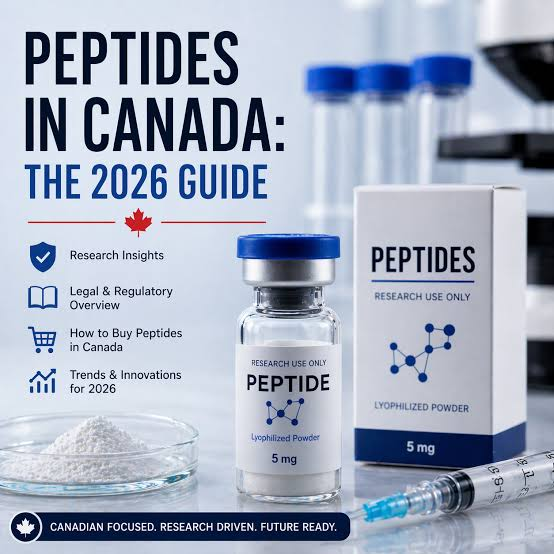
Peptides have become one of the most talked-about topics in the world of health, wellness, and scientific research across Canada. From skincare products lining pharmacy shelves to research compounds used in laboratories, the term “peptides” now covers a BPC157 broad and rapidly expanding industry. As interest grows among consumers, researchers, and fitness enthusiasts alike, understanding what peptides are, how they are regulated, and what to look for when sourcing them in Canada has never been more important.
What are Peptides?
Peptides are short chains of amino acids linked together by peptide bonds. They are essentially smaller versions of proteins, and they play a critical role in countless biological processes, including cell signaling, hormone regulation, immune function, and tissue repair. Because of their natural role in the body, peptides have attracted significant attention from scientists studying everything from anti-aging mechanisms to muscle recovery and metabolic health. Their small size allows them to be easily synthesized in laboratories, which is part of why the peptide industry has grown so quickly over the past decade.
The Growing Popularity of Peptides in Canada
Canada has seen a notable rise in interest surrounding peptides, driven largely by advances in biotechnology and a growing consumer appetite for science-backed wellness products. Universities and private laboratories across the country conduct peptide-related research in fields such as dermatology, endocrinology, and sports science. At the same time, e-commerce has made it easier than ever for Canadian consumers to access peptide-based skincare products, supplements, and research compounds from domestic and international suppliers. This convenience, combined with increasing media coverage of peptide research, has fueled steady growth in the market.
Common Categories of Peptides
The peptide market in Canada can generally be divided into a few broad categories. Cosmetic peptides are widely used in skincare formulations, where they are marketed for their potential to support collagen production and improve skin texture. Research peptides are typically sold to laboratories, academic institutions, and qualified researchers for use in controlled scientific studies, and these products are labeled strictly for research purposes rather than human consumption. Nutritional peptides, such as collagen peptides, have also become popular as dietary supplements, often marketed for joint health, skin elasticity, and general wellness.
Regulatory Considerations in Canada
Health Canada oversees the regulation of health products, including those that make therapeutic claims. Peptides intended for medical or therapeutic use typically fall under drug regulations and require appropriate authorization before they can be legally marketed for those purposes. Research peptides, on the other hand, are usually sold explicitly for laboratory and research use, not for human or animal consumption, and reputable suppliers make this distinction clear on their packaging and websites. Consumers and researchers should always verify that any peptide product they purchase complies with Canadian regulations and is being marketed appropriately for its intended use. Because regulatory frameworks can be complex and subject to change, anyone considering a peptide product for personal health reasons should consult a licensed healthcare provider before proceeding.
Choosing a Reputable Supplier
With so many companies now selling peptides online, quality and transparency have become major differentiators. A trustworthy Canadian peptide supplier will typically provide third-party testing results or certificates of analysis to verify the purity and identity of their products. Clear labeling, transparent sourcing information, and responsive customer service are also strong indicators of a reputable business. Buyers should be cautious of suppliers that make unverified health claims or fail to disclose testing information, as product quality can vary significantly across the industry. Reading independent reviews and checking whether a company has an established track record can also help consumers make informed purchasing decisions.
Why Quality and Sourcing Matter
Because peptides are potent biologically active compounds, even small differences in purity or formulation can affect their intended use in research or cosmetic applications. Poorly manufactured or improperly stored peptides may degrade, become contaminated, or fail to perform as expected. This is why sourcing from established, quality-focused suppliers matters so much, particularly for researchers who need reliable, reproducible results, and for consumers who want products that meet safety and quality standards.
The future of Peptides in Canada
As research into peptide science continues to expand, Canada is likely to remain an active hub for both academic study and commercial development in this space. Advances in biotechnology are making peptide synthesis more precise and cost-effective, which could lead to new applications in medicine, skincare, and nutrition in the years ahead. For now, staying informed about regulations, prioritizing reputable suppliers, and consulting healthcare professionals when needed remain the best ways for Canadians to navigate this evolving and increasingly popular field.
Final thoughts
Peptides represent a fascinating intersection of biology, chemistry, and consumer wellness, and their popularity in Canada shows no signs of slowing down. Whether the interest lies in skincare innovation, scientific research, or general curiosity about this growing field, understanding the basics of what peptides are and how they are regulated is an essential first step for anyone looking to explore this space responsibly.
