

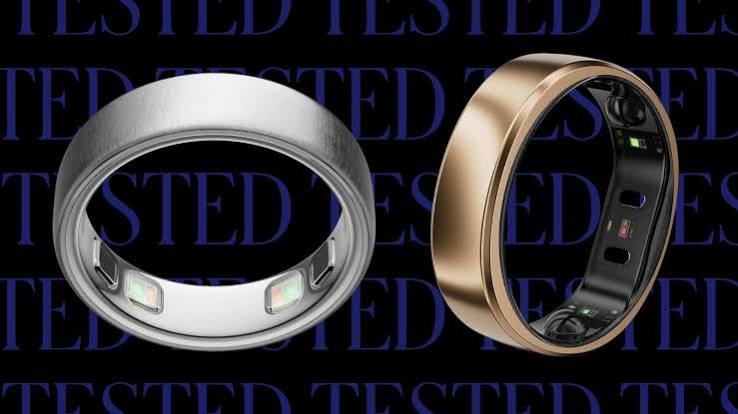
Smart rings are tiny wearable devices that fit on a finger and still carry sensors, a battery and a wireless chip. A smart finger ring can track body signals such as heart rate, sleep and movement, and some models also support contactless functions like payment or access control. Because it is small and comfortable, it can be worn all day and night without much attention.
Why Is the Finger a Good Place for Sensors?
The finger has many small blood vessels close to the skin surface, so the light sensors can read the blood flow signal clearly. A smart finger ring also stays in place during sleep, and this allows continuous data collection without a bulky watch. This is the reason many rings are popular for sleep tracking.
Which Sensors Are Common?
Typical sensors include:
- Optical sensor for heart rate and blood oxygen estimation
- Temperature sensor for skin temperature changes
- Accelerometer for movement and activity
- Gyroscope for motion detection
- Some models add an NFC chip for contactless use
The sensors work together, and the software combines the signals.
How Does Heart Rate Measurement Work?
A small light shines into the skin, and a sensor measures how much light returns. Blood absorbs light differently when the volume changes with every heartbeat. The software reads this pattern and calculates the pulse. This method is known as photoplethysmography, and a smart finger ring uses it in a very compact form.
What Can It Say About Sleep?
By checking heart rate, movement and temperature during the night, the ring can estimate the sleep time and sleep stages. It may show light sleep, deep sleep and awake periods. These values are estimates and are not the same as a medical sleep study, but they give a useful picture of daily rest.
How Small Can the Battery Be?
The battery is very tiny and fits inside the ring body. Low power chips help it to last for several days on one charge, depending on the model and the features. Charging is done with a small dock or magnetic charger. A smart finger ring must balance battery size and comfort carefully.
How Does It Connect With a Phone?
The ring uses Bluetooth low energy to send data to a mobile app. The app shows charts, daily scores and long term trends. Data is stored on the phone or in a cloud account, depending on the system.
What Are the Materials Used?
Common materials are titanium, stainless steel, ceramic and a resin inner layer. The outer body must be strong and resist scratches, and the inner surface must be smooth and skin friendly. Many rings are also water resistant, so they can stay on during hand washing.
What Other Functions Exist?
Some rings are built for special tasks like contactless payment through NFC, door access or digital key use, notification alerts through vibration, and step counting. These models of smart finger ring focus more on convenience than health monitoring.
What Are the Limits?
Because the sensor is on one finger, the reading can change with hand movement, cold temperature or loose fitting. The data is good for trends but not for medical diagnosis. Sizing is also important, since the sensor needs good skin contact.
Final Thoughts
Wearable technology is moving toward smaller and quieter forms, and the finger is a practical place for it. A smart finger ring combines sensors, low power electronics and a mobile app, so it can show health trends and offer simple digital functions in a very compact shape.
