

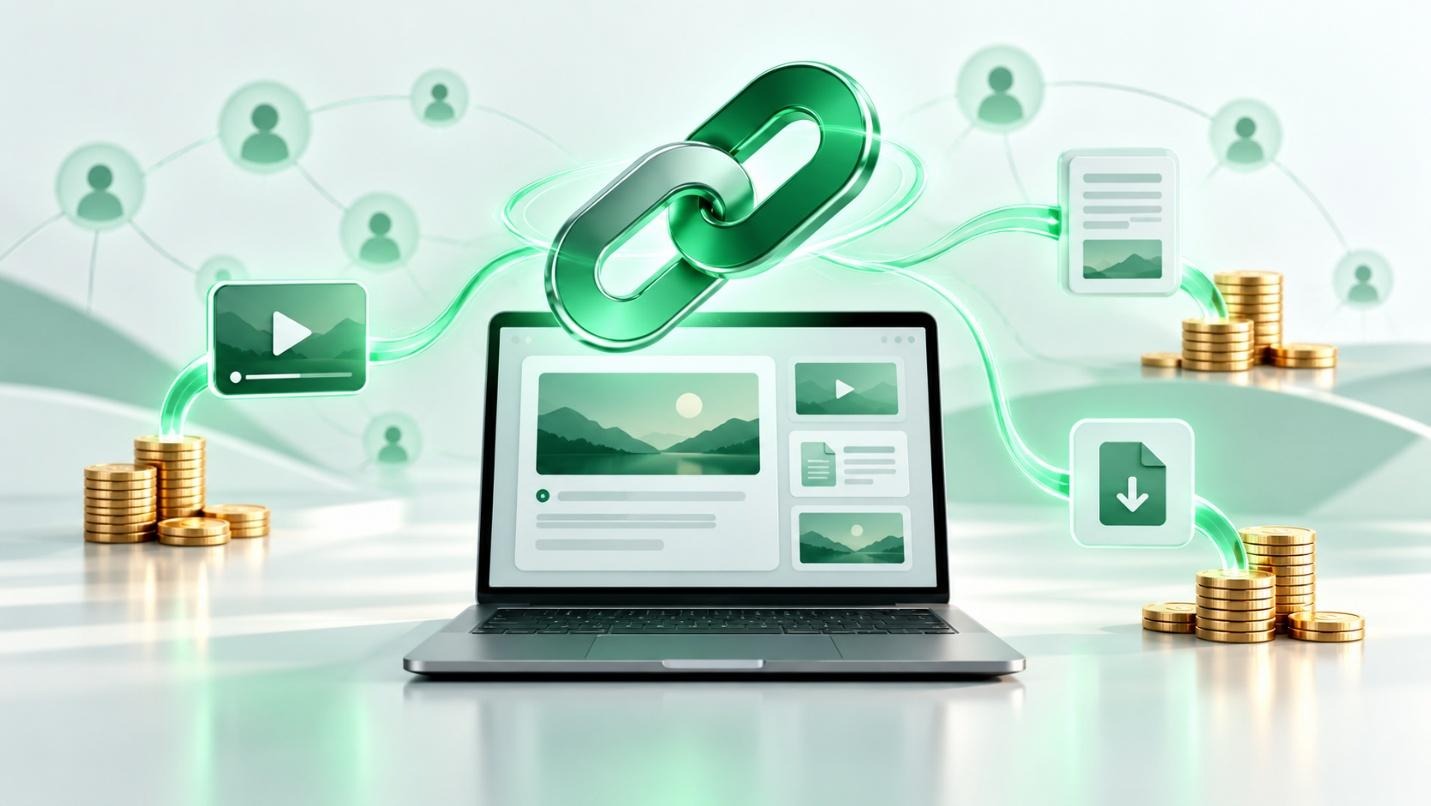
Creating valuable digital content requires time, creativity, and consistent effort. Whether you publish tutorials, develop software, share downloadable resources, or manage an online community, the links connecting your audience to that content have commercial potential. Choosing the highest paying URL shortener involves understanding how a platform turns that potential into revenue while keeping the visitor experience manageable. Work.ink brings link shortening, advertising, audience insights, and creator tools into one platform.
Founded in 2022, Work.ink was built around helping creators earn from the content they already share. Its approach connects advertising revenue with shortened links, giving publishers an additional income channel without requiring every visitor to purchase a product or subscription.
Turning Shared Links Into Revenue
A traditional short link makes a long web address easier to distribute. A monetized short link adds an advertising stage before visitors reach the destination. When qualifying advertising activity occurs, the publisher can earn a share of the resulting revenue.
Work.ink follows this model by displaying advertisements along the visitor’s route to the linked content. Creators can share resources through a compact link while managing monetization through their account.
This approach can suit content with a clear reason to click. A detailed tutorial might lead to a supporting download, while a developer might share access to a software demo. The destination should deliver the value promised in the original post. That connection between expectation and delivery helps preserve audience trust.
What Defines the Highest Paying URL Shortener?
An attractive advertised rate is only one part of evaluating a monetization platform. Actual earnings also depend on eligible traffic, advertising demand, visitor location, and how successfully visitors complete the access process.
CPM generally describes revenue associated with one thousand qualifying advertising impressions. It should not automatically be interpreted as payment for every thousand raw clicks. Understanding what a platform measures makes earnings reports more useful.
For creators evaluating the highest paying URL shortener, the practical questions include whether reporting is understandable, how traffic qualifies for payment, and whether the experience encourages visitors to continue. A platform’s value becomes clearer when revenue is assessed alongside successful content access and returning audience engagement.
Work.ink Focus on Creator Earnings
Work.ink positions itself as a premium link monetization platform with a strong emphasis on publisher revenue. Its stated approach uses proprietary advertising technology and targeted advertisements to improve monetization opportunities.
The platform promotes potential earnings increases of up to 250% compared with traditional link shorteners. This is a promotional comparison rather than a guaranteed outcome for every creator. Individual results depend on the audience, traffic quality, and applicable advertising conditions.
The useful principle behind this approach is matching advertising opportunities with relevant visitors. For creators, stronger monetization should support continued content production while allowing the audience to reach resources they value.
A Straightforward Publishing Process
Work.ink organizes its basic workflow around shortening a link, choosing any optional unlock actions, and tracking earnings.
The creator begins with a destination URL and converts it into a shorter link. That link can then be shared wherever the creator is permitted to distribute it, such as within relevant content or an established community.
Optional unlock actions introduce another layer of audience engagement. For example, a publisher may ask visitors to join a community before accessing the destination. These actions should have a clear purpose and remain proportionate to the value of the resource.
Once the link receives traffic, the creator can monitor performance. This makes link sharing a measurable activity and provides a basis for improving future distribution.
Clear Analytics Support Better Decisions
Transparent reporting helps creators understand the relationship between audience activity and earnings. Without that visibility, it becomes difficult to identify which resources or promotional channels deserve further attention.
Work.ink emphasizes honest analytics, clear reporting, and straightforward payment terms. Its tracking tools are intended to help publishers understand their audience and monitor monetization activity.
A practical approach is to compare similar resources over a meaningful period. A creator sharing both design templates and educational downloads could examine which content attracts consistent engagement. Those observations can guide publishing priorities without assuming that one unusually successful day represents normal performance.
Analytics are most valuable when they lead to specific improvements in content quality, distribution, or the access experience.
Protecting Monetization and Audience Trust
Work.ink highlights anti-bypass technology designed to protect the advertising process associated with its links. For publishers, this addresses attempts to skip the monetization stage that supports access to their content.
The platform also describes anti-fraud systems intended to identify abusive activity and maintain the quality of its advertising ecosystem. Legitimate audience interest is a stronger foundation for sustainable earnings than artificially inflated traffic.
Destination safety is another part of the platform’s offering. Work.ink describes real-time screening through Google Safe Browsing to help identify potentially harmful destinations.
Creators still benefit from checking their own resources regularly. A trustworthy link experience begins with accurate descriptions, working destinations, and content that matches the audience’s expectations.
Monetization Tools for Software Developers
Work.ink’s offering extends beyond manually sharing shortened links. Its APIs and SDKs support integration into software workflows, including advertising-supported access to downloads, demos, and features.
This creates opportunities for developers who want to offer access without charging every user directly. Monetization can become part of the product’s access process rather than a separate link-management task.
The implementation should make the required steps understandable. Users need to know what they will receive and how to proceed. A clear experience helps developers assess whether the additional revenue fits their product and audience.
For creators managing several digital resources, integration tools may also reduce repetitive administrative work.
Payout Options and Service Reliability
Earnings become useful when creators can receive them through an accessible payment method. Work.ink lists PayPal, Wise, and local bank transfer among its publisher payout options.
Before building a routine around any method, creators should review the applicable account requirements, availability, and payment conditions. Selecting a suitable payout route early can make later account management easier.
Reliability also affects the value of shared links. Work.ink identifies dependable service as a core commitment and states a 99.9% uptime target in its platform information.
Consistent availability matters because creators may distribute links across content that remains active for months. A dependable access route supports both ongoing engagement and monetization opportunities.
Building Revenue Around Valuable Content
The strongest link monetization strategy starts with a useful destination. Advertising cannot replace the value of the resource itself.
Creators should explain what a link provides before asking an audience to open it. A specific description of a template, guide, download, or demonstration establishes a clear expectation. Delivering that resource helps maintain confidence in future links.
Testing a small selection of relevant content is a practical starting point. Creators can observe earnings, review audience feedback, and refine optional access steps before expanding their use of monetized links.
Work.ink also emphasizes education and community through its blog, newsletter, and webinars. Combined with a stated focus on innovation and creator feedback, these resources support publishers who want to develop their approach over time.
Conclusion
Choosing the highest paying URL shortener requires attention to actual earnings, reporting quality, audience experience, and payment access. Work.ink combines advertising-supported links with analytics, optional unlock actions, protection features, and developer integrations to address these needs.
For creators and publishers, its potential lies in making existing content distribution more productive. By sharing valuable resources, attracting legitimate traffic, and reviewing performance consistently, creators can assess how Work.ink fits into a sustainable digital income strategy.
