

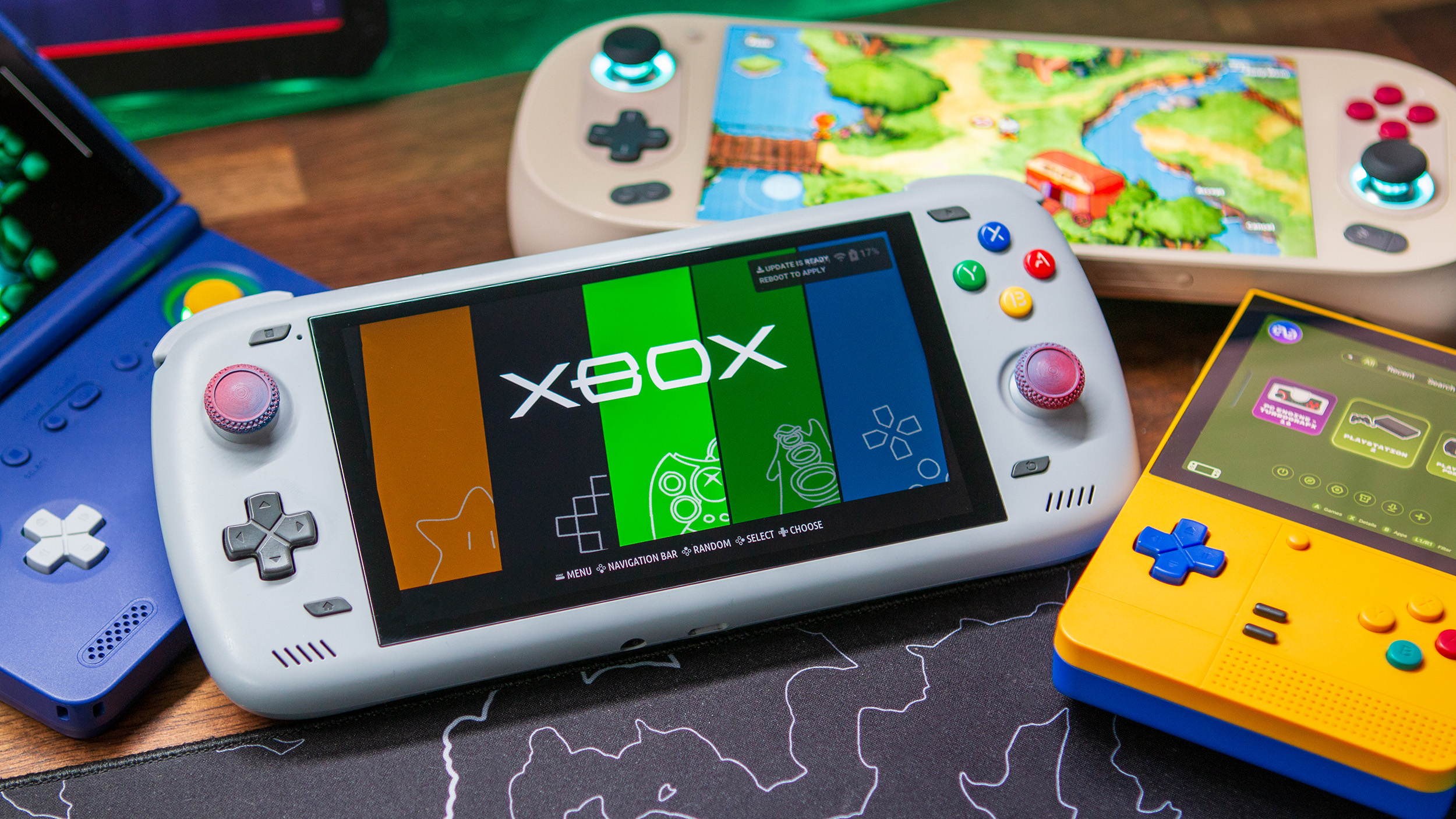
Gaming used to come with a simple choice. You could play on a console at home, carry a portable gaming system, or use your smartphone for quick entertainment. Today, those boundaries are becoming less clear.
An Android handheld game console brings several gaming experiences together in one portable device. You can play compatible Android games, revisit older console titles through emulation, or stream games from supported services. All of this happens on a dedicated device with a screen and physical controls.
What makes these handhelds interesting isn’t just their hardware. It’s how they fit into everyday gaming habits.
Some players want something lightweight for a daily commute. Others want a dedicated device for retro gaming. There are also people who prefer a handheld that doesn’t interrupt their phone’s battery life or notifications.
As more manufacturers explore this category, Android handheld gaming is becoming an alternative worth understanding.
Why Android Handheld Gaming Is Getting More Attention
Portable gaming isn’t new. Nintendo, Sony, and other manufacturers helped establish the market years ago.
What has changed is the technology available inside compact devices.
Modern mobile processors can handle demanding applications while operating within the power and cooling limits of portable hardware. Android also provides access to an established software ecosystem.
For handheld manufacturers, this creates an opportunity to build gaming-focused devices without developing an entirely new operating system.
For players, it means more choice.
An Android gaming handheld can offer features that traditional portable consoles don’t always provide, including customizable launchers, different emulator applications, cloud gaming support, and access to compatible Android software.
That flexibility is one reason the category appeals to gamers who enjoy experimenting with their devices.
Physical Controls Are Making Mobile Gaming More Enjoyable
Touchscreen controls have improved, but they aren’t ideal for every type of game.
Consider a racing game where you need precise steering and acceleration. Or an action game that requires quick movement, camera control, and multiple button combinations.
Virtual buttons can work, but they also occupy screen space.
A dedicated Android handheld addresses this problem with physical controls built into the device.
Most models include analog sticks, a directional pad, face buttons, and shoulder buttons. Some also feature analog triggers and customizable control settings.
This design makes certain games easier to control and more comfortable to play.
However, physical controls don’t automatically work with every Android title. Some games require touchscreen input, while others support controllers directly.
Checking game compatibility remains important.
Retro Gaming Is Giving Android Handhelds a Different Identity
One of the most interesting aspects of Android handheld gaming is its connection to older games.
Many gamers grew up playing titles on systems such as the Game Boy Advance, PlayStation, Nintendo DS, and Sega Genesis.
Today, compatible emulation software allows some of those experiences to be recreated on modern hardware.
An Android handheld game console can be particularly convenient because it combines the display, processor, battery, and controls into one device.
You don’t need to connect a separate controller or carry a laptop.
However, emulation performance varies considerably.
Older 2D systems generally require less processing power, while more demanding platforms can place greater pressure on the processor and graphics hardware.
Software compatibility also matters. A powerful processor doesn’t guarantee that every game will run correctly.
Players should use legally obtained game files and respect applicable copyright laws.
For retro gaming enthusiasts, the appeal is straightforward: a dedicated device that can bring multiple compatible gaming experiences into one portable format.
Android Handheld Consoles Are Becoming More Specialized
Not every Android handheld is designed for the same audience.
Some manufacturers focus on compact systems that resemble classic portable consoles. Others build larger devices with high-resolution displays and more powerful processors.
This has created several recognizable categories.
Compact Retro Gaming Devices
Smaller handhelds appeal to players who enjoy classic games and want something easy to carry.
Their displays and control layouts may be designed around older gaming formats.
For example, a 4:3 screen can suit many classic console games better than a modern widescreen display.
These devices can be particularly appealing for short gaming sessions.
Midrange Android Gaming Handhelds
Midrange models attempt to balance performance, screen quality, and price.
They often feature larger displays, improved analog sticks, and enough processing power for a broad selection of Android games and compatible emulators.
For many players, this category offers a practical compromise between affordability and performance.
Premium Android Handheld Consoles
Premium devices typically focus on stronger processors, larger displays, and additional features.
They may appeal to people who want more demanding emulation, higher rendering resolutions, or a better experience with compatible streaming services.
However, premium hardware also introduces trade-offs.
Larger devices may be less convenient to carry, and higher prices don’t always translate into meaningful improvements for casual players.
This growing variety means buyers can choose a device based on their gaming habits rather than simply purchasing the most expensive model.
Cloud Gaming Is Expanding What Handheld Devices Can Do
Cloud gaming introduces another way to use an Android handheld.
Instead of running every game directly on the device, cloud gaming services process supported games on remote servers and stream the results over the internet.
This can allow relatively modest handheld hardware to display games that would otherwise require more powerful systems.
The device still needs compatible software, reliable controls, and a suitable display.
More importantly, cloud gaming depends heavily on internet quality.
A fast connection with high latency can still produce noticeable delays. Network congestion, Wi-Fi interference, and unstable connections can also affect gameplay.
For someone gaming at home with reliable Wi-Fi, cloud gaming may provide access to experiences beyond the handheld’s native capabilities.
For travelers without dependable internet access, locally installed games remain the more practical option.
The combination of local Android gaming, emulation, and cloud streaming is what makes these devices versatile.
Why Android Handhelds Appeal to Frequent Travelers
Travel creates a particular challenge for gamers.
A gaming laptop may be powerful, but it can also be heavy and inconvenient to use in limited spaces.
A smartphone is easier to carry, but extended gaming sessions can drain the battery needed for navigation, calls, and other essential tasks.
An Android gaming handheld offers another option.
It provides a separate battery, dedicated controls, and a gaming-focused interface.
Some compact models are convenient for commuting, while larger devices may be better suited to long flights or hotel use.
Still, travelers should consider several practical factors.
Battery life is especially important. Demanding games, high screen brightness, and wireless streaming can reduce playing time.
A protective case is also useful because handheld controls and screens can be vulnerable inside a crowded backpack.
Offline compatibility matters too.
Before traveling, players should download supported games, install necessary updates, and confirm that their chosen applications work without an internet connection.
A handheld that requires constant connectivity may not be ideal for every journey.
What Makes a Good Android Handheld Gaming Experience?
Specifications often dominate discussions about portable gaming devices.
Processor models, RAM capacity, display resolution, and battery size are important, but they don’t tell the entire story.
The overall experience depends on how these components work together.
Comfortable Controls
A handheld should feel natural to hold.
Button placement, analog stick positioning, device weight, and grip design can influence comfort during longer sessions.
A powerful console becomes less appealing if your hands feel uncomfortable after 30 minutes.
A Display That Suits Your Games
A larger display can improve visibility in modern games, while a smaller screen may make the device easier to carry.
OLED technology can provide excellent contrast, but a good LCD display may still be perfectly suitable.
Aspect ratio also deserves attention, especially for retro gaming.
Reliable Software
A well-designed gaming launcher can make Android feel more like a traditional console.
Instead of navigating through multiple applications, players can organize games and access frequently used features from one interface.
Software updates, controller mapping, and emulator compatibility can have a major influence on usability.
Effective Cooling
Gaming workloads generate heat.
Some handhelds use active cooling systems, while others rely on passive cooling.
Effective thermal management helps a device maintain performance during extended gaming sessions.
Practical Battery Life
Battery capacity matters, but real-world endurance depends on more than the number printed on the specification sheet.
Processor efficiency, screen brightness, cooling, and game requirements all affect battery consumption.
Independent testing is often more useful than manufacturer estimates alone.
The Android Handheld Market Offers More Choice Than Ever
Several manufacturers now produce Android gaming devices for different audiences.
Retroid has developed handhelds that emphasize portability and value. AYN offers devices designed around stronger performance and larger displays. AYANEO explores premium hardware and different form factors, while ANBERNIC produces a variety of retro-oriented systems.
These approaches give buyers more options, but they can also make choosing a device confusing.
Two handhelds may look similar while offering very different performance, software support, and control layouts.
That’s why researching individual models matters.
OnionChilli has provided a good review and comparison for the same.
Understanding these differences can help buyers avoid paying extra for features they won’t use.
Challenges Android Handheld Gaming Still Needs to Overcome
Despite their advantages, Android handhelds aren’t perfect.
One challenge is software compatibility.
Some Android games are designed primarily for touchscreens. Even when a handheld has excellent physical controls, those buttons may not work without additional configuration.
Another issue is software maintenance.
Android handheld manufacturers vary in how frequently they provide updates, security patches, and bug fixes.
A device with excellent hardware can become frustrating if software problems remain unresolved.
Game compatibility is another consideration.
Emulation performance depends on both hardware and software. Certain games may experience graphical problems, inconsistent frame rates, or limited compatibility.
Finally, pricing can become a concern.
Premium Android handhelds sometimes approach the cost of more versatile gaming devices.
At that point, buyers need to decide whether Android-specific features justify the investment.
These limitations don’t make Android handhelds poor choices. They simply highlight why researching the software experience is as important as comparing hardware.
What Does the Future Look Like for Android Handheld Gaming?
Android handheld gaming has room to develop in several areas.
More efficient processors could improve performance without requiring substantially larger batteries.
Better software integration could make setup easier for people who aren’t familiar with emulators or custom launchers.
Manufacturers may also continue experimenting with screen sizes, control layouts, and device shapes.
Cloud gaming and remote play could further influence handheld design, particularly for users who prioritize streaming over local processing power.
However, the future of the category will depend on more than hardware improvements.
Consistent software support, reasonable pricing, reliable controls, and game compatibility will remain important.
Manufacturers that deliver a polished gaming experience may have an advantage over those that focus primarily on impressive specifications.
Final Thoughts
Android handheld game consoles are creating more ways for people to enjoy portable gaming.
Their appeal comes from combining familiar Android software with physical controls, compact hardware, and support for different gaming experiences.
Some players use them mainly for retro games. Others prefer native Android titles, remote play, or cloud gaming.
There isn’t one ideal device for everyone, and that is part of what makes the category interesting.
As manufacturers continue refining their hardware and software, Android handhelds could become an increasingly practical choice for gamers who value portability and flexibility.
For anyone considering one, the most important question isn’t which handheld has the most powerful processor.
It’s which device offers the gaming experience you actually want.
