

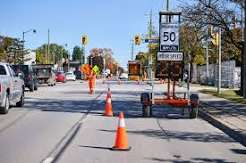
Traffic management needs real information, and a radar speed display can give that information directly from the road. It measures the speed of every vehicle coming toward it and shows the number to the driver, while the same reading can be saved for later study. In this way, one device is doing two jobs together: it reminds the driver and it also collects facts for the road authorities.
What Information Is Collected From the Road?
Many modern units store basic traffic details in the background. This can include the number of vehicles, average speed, highest speed and the speed at different hours of the day. Some devices also show how many drivers are crossing the limit. All these details are collected without taking any photo or recording the license plate, so the privacy of the people is not affected.
How Do Planners Use This Data?
Road planners need proof before they take any decision. Instead of depending on complaints from the residents, they can open the report and see what is really happening. For example, if the data shows that speeding is highest after the evening, the authorities can give more attention in that time. If the average speed is already near the limit, they can save the budget and focus on another street.
Why Is Real Road Data Better Than Guessing?
People often feel that vehicles are very fast on their street, but feeling is not always same as measurement. Sometimes a few fast vehicles create a bad impression, while the average speed is normal. In other cases, the problem is bigger than people think. Actual numbers remove this confusion, and the discussion between residents and authorities becomes more fair and clear.
Can It Help in Checking If a Road Change Is Working?
Yes. Data from before and after a change gives a simple comparison. If a new crossing, a speed bump or a lower limit is added, the same device can show whether the average speed has gone down. This is very useful for the departments which want to know the result of their work, because they can see the improvement in numbers.
How Does It Fit Into Smart City Planning?
Smart cities depend on measurement. Signals, sensors and displays are all giving information to make the traffic flow better. A speed display is a low cost and easy part of this system, because it needs only a power source and a place on the roadside. Many units run on solar power, so they can be installed even in the areas where cable connection is difficult.
Does It Change Driver Habit for a Long Time?
The effect is strongest near the sign, but regular exposure also builds a habit. Drivers who pass the same road every day start to remember that their speed is visible, and they become more careful. Over time, this reduces the need for strict action, because the behavior is changing by awareness and not by pressure.
What Is the Difference Between Feedback and Enforcement?
Enforcement tools record the violation and send a penalty to the driver. A feedback display shows only the speed and does not punish anybody. Both have their place in road safety, but feedback is easier to accept in residential areas, schools and small towns. It builds a positive relation between the road users and the authorities.
Final Thoughts
Good traffic management starts with correct information, and the road itself is the best source. A radar speed display gives speed feedback to drivers and useful data to planners at the same time. This combination helps in making safer streets, smarter decisions and better use of public budget.
