

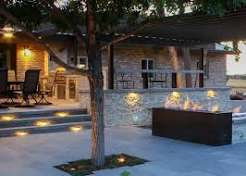
Outdoor spaces play an important role in how a property looks, functions, and feels throughout the year. In Denver, creating a successful landscape requires more than selecting attractive plants and arranging them around a yard. Climate, soil, drainage, irrigation, seasonal changes, sunlight, and intended use all influence the final result. For property owners considering a professional landscaper denver service, understanding the fundamentals can make the planning process easier and more productive. A thoughtful landscape can provide visual structure, comfortable outdoor areas, practical pathways, healthy vegetation, and an environment that remains manageable through changing seasons.
What Should Property Owners Consider Before Starting a Landscaping Project?
A successful landscaping project begins with understanding the property itself. The existing soil, grading, drainage patterns, sunlight exposure, mature trees, lawn condition, irrigation infrastructure, and available outdoor space should all be evaluated before installation begins.
The purpose of the space is equally important. A family may want an area for outdoor gatherings, while another property owner may prioritize garden beds, privacy, easier maintenance, or improved curb appeal. Commercial properties may require clear walkways, attractive entrances, durable surfaces, and landscaping that complements the building.
Professional planning helps connect these requirements into one cohesive design rather than treating each feature as an isolated improvement.
Why Is Landscape Design Important?
Landscape design provides a framework for organizing an outdoor property. Without a clear plan, plants, hardscape features, irrigation components, and outdoor structures can compete for space or create maintenance challenges.
A well-developed design considers movement through the yard, visual balance, plant placement, drainage, usable areas, and future growth. It can also help determine where patios, pathways, lawns, garden beds, fencing, trees, and decorative features should be located.
Good landscape design is not simply about appearance. It combines aesthetics with practical considerations so that the finished property remains useful and manageable.
How Does Denver’s Climate Affect Landscaping Decisions?
Denver presents several environmental considerations for landscape planning. Strong sunlight, dry conditions, temperature changes, snow, wind, elevation, and seasonal transitions can influence plant health and outdoor materials.
Plant selection should therefore reflect local growing conditions. Colorado-adapted and drought-tolerant plants can be considered where appropriate, while soil preparation and irrigation should support healthy establishment.
Recent Denver landscaping guidance also emphasizes water-wise design, native and adapted plants, efficient irrigation, and careful attention to soil and site conditions.
This demonstrates why landscaping decisions should be based on the characteristics of the property rather than relying on a generic design intended for a different climate.
What Role Does Irrigation Play in Landscape Health?
Irrigation is an important part of maintaining healthy outdoor spaces. Even well-selected plants may struggle if watering is inconsistent, excessive, or poorly distributed.
A properly planned irrigation system can direct water where it is needed while reducing unnecessary runoff. Different landscape areas may require different watering approaches depending on plant type, soil, sun exposure, and location.
Professional irrigation planning can also help property owners identify existing system problems, inefficient coverage, damaged components, or areas where water is being applied unnecessarily.
Efficient watering is particularly relevant in dry climates, where landscape performance depends on using available moisture thoughtfully.
What Is Hardscaping and Why Does It Matter?
Hardscaping refers to the non-plant elements incorporated into an outdoor environment. These can include patios, walkways, retaining features, steps, decorative surfaces, borders, and other structural components.
Hardscape features provide both function and visual organization. A well-designed patio can create a dedicated gathering area, while pathways can make movement around a property more convenient. Properly positioned hardscape elements can also separate lawn areas from garden beds and establish clear transitions between different sections of the landscape.
The choice of materials should reflect the property’s style and intended use while accounting for exposure to weather and regular activity.
How Can Landscaping Improve Outdoor Living?
Modern landscaping can turn an underused yard into an extension of the living environment. Outdoor spaces can be planned around seating, entertaining, gardening, recreation, relaxation, or simple enjoyment of the surrounding environment.
A comfortable outdoor living area might combine a patio, planting beds, shade, pathways, trees, and carefully positioned lighting or fencing. The objective is to create a space that feels connected rather than a collection of unrelated features.
Thoughtful design also considers how people naturally move through the property. Entry points, seating locations, garden access, and transitions between surfaces should work together.
Why Is Soil Preparation Important?
Soil provides the foundation for plant health. Poor drainage, compacted ground, unsuitable soil structure, or inadequate preparation can create problems long after installation is complete.
Before planting, professionals may evaluate soil conditions and determine whether improvements are appropriate for the intended vegetation. However, soil amendments should be selected based on actual site conditions and plant requirements rather than applied automatically.
Denver-area landscape guidance notes that soil characteristics can vary considerably from one property to another, making site-specific assessment an important part of design planning.
Healthy soil supports stronger root development and can contribute to more resilient planting over time.
How Can Trees Contribute to a Landscape?
Trees can provide structure, shade, privacy, seasonal interest, and long-term visual character. Because trees can become significant landscape features as they mature, placement deserves careful consideration.
The location of a tree should account for available space, sunlight, nearby structures, utilities, pathways, and future canopy development. Selecting a suitable species for the site is also important.
Professional tree services can complement broader landscaping plans by addressing tree care, maintenance, removal needs, or improvements that affect the surrounding landscape.
A tree should be considered as part of the complete property rather than simply another planting element.
What Are the Benefits of Professional Landscape Maintenance?
Installation is only one stage of landscape development. Regular maintenance helps outdoor spaces remain healthy and attractive as plants mature and seasonal conditions change.
Maintenance can involve lawn care, pruning, weed management, irrigation checks, seasonal cleanup, planting care, and monitoring of hardscape areas. The appropriate maintenance routine depends on the design and the property’s specific needs.
A landscape that receives consistent attention is easier to manage than one that is allowed to deteriorate before problems become noticeable.
Seasonal maintenance is particularly useful in Colorado because outdoor conditions can change considerably throughout the year.
How Can Fencing Complement Landscape Design?
Fencing can serve practical and visual purposes within a landscape. It can establish boundaries, improve privacy, guide movement, protect selected areas, and provide a defined backdrop for plants.
The design and placement of fencing should complement the surrounding property. A fence that works with the architecture, planting arrangement, and hardscape can feel like an intentional part of the landscape rather than an isolated addition.
When fencing is planned alongside landscaping, transitions between lawn, garden areas, pathways, and property boundaries can appear more organized.
Is Water-Wise Landscaping the Same as a Yard Without Plants?
No. Water-wise landscaping does not mean eliminating attractive vegetation. Instead, it focuses on selecting appropriate plants, organizing them according to their needs, improving soil conditions, and applying water efficiently.
Xeriscaping is commonly associated with Denver and emphasizes design principles that can help create attractive landscapes suited to dry conditions. Native and adapted plants, efficient irrigation, appropriate soil preparation, and thoughtful placement can all contribute to a water-conscious landscape.
A water-wise yard can still include colorful flowers, shrubs, trees, grasses, pathways, and comfortable outdoor living areas.
How Should Homeowners Approach Landscape Improvements?
It is generally useful to think about landscaping as a complete property system rather than a collection of individual upgrades.
For example, changing a lawn may affect irrigation requirements. Installing a patio may influence drainage and pedestrian movement. Adding trees may eventually change shade patterns. Building fencing can alter privacy and circulation.
Considering these relationships before construction helps reduce conflicts between different improvements.
A phased approach can also be useful when a property requires several improvements. Planning the overall design first allows individual stages to contribute toward a consistent long-term result.
What Makes a Landscape Both Attractive and Functional?
An attractive landscape usually has more than visual appeal. It should also work well for the people who use it and remain practical to maintain.
Functional landscaping considers access, drainage, irrigation, durability, planting requirements, storage, privacy, and everyday movement. A beautiful patio that is difficult to access, for example, may not provide the intended benefit. Similarly, a garden filled with plants that are poorly suited to the site can become difficult to maintain.
The strongest designs balance appearance with usability.
How Can Commercial Properties Benefit From Professional Landscaping?
Commercial landscaping can influence how customers, visitors, employees, and residents experience a property. Clean planting areas, maintained lawns, defined walkways, attractive entrances, and organized outdoor spaces can contribute to a professional appearance.
Commercial properties may also require landscaping solutions that account for pedestrian traffic, visibility, maintenance access, drainage, and durability.
A coordinated landscape plan can help ensure that outdoor features support the function of the property rather than interfere with it.
What Questions Should Be Asked Before Hiring a Landscaping Professional?
Property owners should understand the scope of services offered, the proposed project process, expected timeline, materials, maintenance requirements, and communication procedures.
It is also useful to ask how the design will account for drainage, soil, irrigation, plant selection, existing landscape features, and seasonal conditions.
A professional conversation should focus on the property’s actual needs rather than presenting a one-size-fits-all solution.
Clear communication from the beginning can help establish realistic expectations and make project decisions easier.
How Can Property Owners Prepare for a Landscaping Consultation?
Before a consultation, homeowners can identify which areas of the property they want to improve and how they expect to use the finished space. Photographs, existing property plans, notes about drainage concerns, and information about current irrigation can also be useful.
It helps to separate essential requirements from optional preferences. For example, drainage correction may be a functional priority, while a decorative garden feature may be an enhancement.
Having a clear understanding of these priorities allows the landscape professional to develop a more focused plan.
What Should a Long-Term Landscaping Strategy Include?
A long-term strategy should consider how the landscape will develop after installation. Plants grow, trees mature, outdoor materials weather, and household needs can change.
Landscape planning should therefore consider future maintenance, plant maturity, irrigation adjustments, seasonal care, and potential changes to outdoor living requirements.
A landscape designed only for its appearance on installation day may not perform as well over time as one planned around growth and long-term use.
Final Thoughts
Professional landscaping combines design, horticulture, construction, maintenance, and environmental awareness. For Denver properties, successful outdoor planning requires particular attention to local climate conditions, soil, water management, seasonal changes, and the intended use of the space. Current landscape guidance for the Denver area continues to highlight water-wise practices, appropriate plant selection, efficient irrigation, and site-specific planning as important considerations.
Whether the objective is to improve a residential yard, create an inviting commercial property, develop an outdoor living area, upgrade irrigation, add hardscaping, or improve landscape maintenance, thoughtful planning provides a strong foundation. The most effective outdoor environments are those that combine beauty with practicality and are designed to remain useful as the property and landscape mature.
