

Introduction
Maintaining a supercharged vehicle requires consistent attention to engine health, cooling, lubrication, and supporting components. Regular maintenance helps preserve power delivery, improve reliability, and reduce the risk of expensive mechanical problems. For performance enthusiasts, a well-maintained supercharger system can provide responsive acceleration and dependable operation over an extended period.
A successful maintenance routine begins with understanding how forced induction affects the engine. Increased airflow and boost place additional demands on fuel delivery, engine temperature management, and drivetrain components. Following suitable service intervals and addressing small problems early can make a significant difference in long-term performance.
Understanding Supercharger Maintenance
Why Regular Inspections Matter
A supercharger compresses incoming air, allowing the engine to produce additional power when fuel delivery and ignition timing are correctly calibrated. However, its moving components and drive system experience mechanical loads during operation.
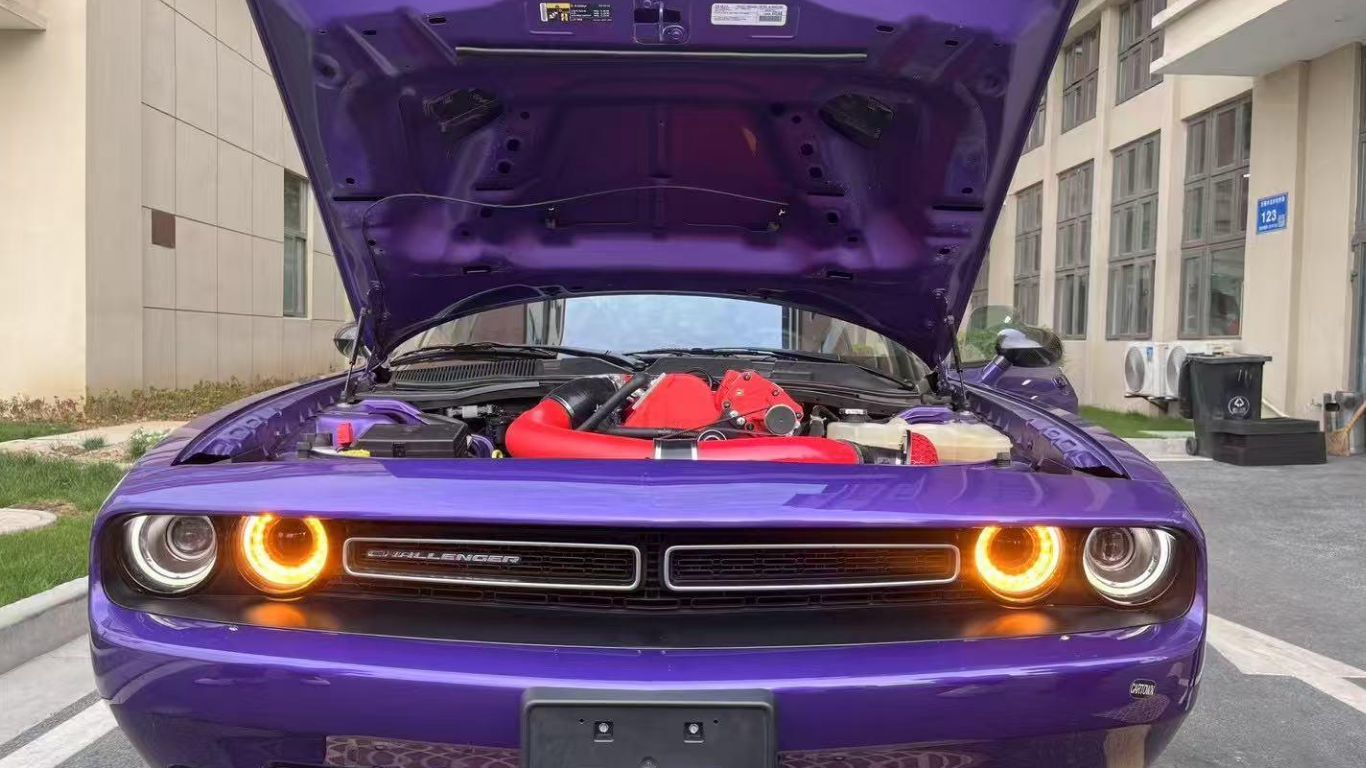
Owners researching a Dodge challenger supercharger should also understand the importance of routine inspections and manufacturer-recommended servicing. Identifying worn belts, loose connections, unusual noises, or fluid leaks early can help prevent more serious failures.
Following a Maintenance Schedule
Every supercharger system has specific maintenance requirements based on its design, installation, and intended use. Some units have dedicated lubrication requirements, while others use different arrangements. Therefore, owners should follow the instructions supplied with their particular system rather than applying a universal service interval.
Keeping a written record of inspections, repairs, fluid changes, and tuning adjustments makes it easier to identify recurring issues and plan preventive maintenance.
Inspecting Belts and Pulleys
Checking Belt Condition
The drive belt transfers mechanical power from the engine to the supercharger. A damaged, loose, or misaligned belt can cause slipping, inconsistent boost pressure, and reduced performance.
Inspect the belt regularly for cracks, frayed edges, missing ribs, glazing, or unusual wear. If belt dust accumulates around the pulleys or a squealing sound develops, investigate the cause promptly.
Replace damaged belts according to the system manufacturer’s recommendations. Correct belt tension is equally important because excessive tension can place additional strain on bearings, while insufficient tension may cause slipping.
Examining Pulleys and Tensioners
Pulleys and tensioners help maintain proper belt alignment and operation. Worn bearings, unusual movement, or misalignment can contribute to premature belt failure.
During routine servicing, have these components checked for abnormal noise, looseness, and visible damage. Any replacement parts should match the system’s specifications to maintain correct operation.
Maintaining Engine Oil and Supercharger Lubrication
Using the Correct Engine Oil
Engine oil reduces friction, helps manage heat, and protects internal components from wear. Supercharged engines may operate under increased loads, making correct oil selection and timely servicing especially important.
Use the oil viscosity and specification recommended for the exact engine and driving conditions. Check the oil level regularly and investigate any unexpected decrease rather than simply adding oil repeatedly.
Checking Supercharger Lubrication
Some superchargers use a dedicated lubricant reservoir, while others have different lubrication arrangements. Owners should verify the system design and follow its specified inspection and replacement schedule.
Never assume that engine oil and supercharger lubricant are interchangeable. Using the wrong fluid or overfilling a dedicated reservoir can cause problems. If contamination, leakage, or unusual internal noise appears, seek professional inspection.
Keeping the Cooling System Efficient
Monitoring Engine Temperature
Additional engine output can increase thermal demands, particularly during repeated acceleration or sustained high-load driving. Check coolant levels, inspect hoses for leaks, and ensure that the radiator and associated cooling components are operating correctly.
Never open a pressurized cooling system while it is hot. Allow it to cool before inspection and follow the vehicle manufacturer’s safety instructions.
Maintaining Intercooler Performance
Depending on the supercharger design, the system may use an air-to-air intercooler or a separate liquid-cooled charge-air circuit. These systems help control intake temperatures and maintain consistent performance.
Keep external heat exchangers clear of excessive dirt and debris. For liquid-cooled systems, inspect coolant levels, hoses, and pump operation according to the manufacturer’s maintenance instructions.
Excessive intake temperatures can reduce performance and increase the risk of abnormal combustion. Address repeated temperature warnings instead of continuing demanding driving.
Checking Air Filters and Intake Connections
Cleaning or Replacing Air Filters
A clean air filter helps provide the airflow required for consistent engine performance. A heavily restricted filter can reduce power, while a damaged filter may allow contaminants to enter the intake system.
Inspect the filter according to the recommended service schedule, adjusting inspection frequency for dusty environments. Clean reusable filters only with suitable products and replace damaged or non-serviceable elements when necessary.
Inspecting Hoses and Connections
Loose clamps, cracked hoses, and damaged intake couplers can cause boost leaks and inconsistent engine operation. Check accessible connections for deterioration and ensure that hoses remain securely fitted.
If the engine develops unusual hesitation, rough running, or unexplained power loss, arrange a diagnostic inspection rather than assuming that the supercharger itself has failed.
Protecting Engine Performance Through Proper Tuning
Maintaining the Correct Calibration
Engine tuning coordinates fuel delivery, ignition timing, and boost-related operating parameters. An unsuitable calibration can increase engine temperatures, trigger abnormal combustion, and accelerate component wear.
Any substantial hardware modification should be evaluated by a qualified tuning professional. Avoid increasing boost pressure or changing pulley configurations without confirming that the engine, fuel system, and supporting components can safely accommodate the change.
Using Suitable Fuel
Always use fuel that meets the requirements of the vehicle and its supercharger calibration. Fuel with an unsuitable octane rating can increase the risk of knock under demanding conditions.
If knocking sounds, repeated misfires, or warning lights occur, reduce engine load and arrange a professional inspection before continuing performance driving.
Conclusion
Long-term supercharger performance depends on regular inspections, correct lubrication, healthy belts and pulleys, efficient cooling, clean intake components, and appropriate engine tuning. Addressing minor problems early can help prevent expensive repairs while maintaining consistent power delivery.
Researching Dodge challenger superchargers can help enthusiasts understand available performance systems and their maintenance considerations. By following the correct service schedule and seeking professional assistance when necessary, owners can protect their investment and enjoy dependable performance for years to come.
Frequently Asked Questions
1. How often should a supercharger be inspected?
Inspect the system during routine servicing and follow the manufacturer’s recommended schedule. Driving conditions, boost levels, and the specific supercharger design can affect service requirements.
2. What are common signs of supercharger problems?
Warning signs include unusual noises, belt squealing, visible fluid leaks, inconsistent boost, overheating, and unexplained power loss. Prompt inspection can help identify the underlying cause.
3. Does regular maintenance improve supercharger lifespan?
Yes. Correct lubrication, proper cooling, suitable tuning, and timely replacement of worn components can help reduce unnecessary stress and support long-term reliability.
