

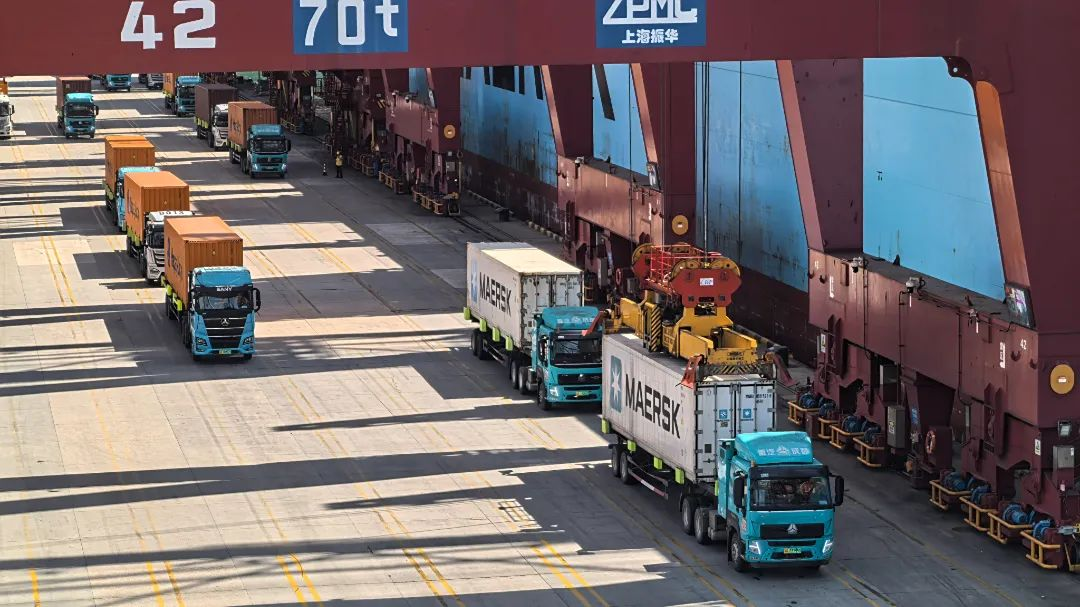
Buying a truck from China can save a fleet owner a lot of money. But the price on the quote is only part of the story. Most problems happen after the order: a missing certificate, a wrong steering side, or paperwork that does not match the chassis number. Any of these can keep a truck stuck at the port for weeks.
This checklist walks you through the process in order, from choosing the truck to driving it out of the port. It is written for buyers in Kenya, Nigeria, Ghana and Tanzania, but most steps apply anywhere in Africa.
Step 1: Check the rules before you choose the truck
Do this first, not last. Each country has its own rules on:
- Vehicle age – many African countries limit the age of imported used vehicles. New trucks avoid this problem.
- Steering side – Kenya and Tanzania drive on the left and need right-hand drive (RHD). Nigeria and Ghana drive on the right and need left-hand drive (LHD). Ghana bans the registration of most RHD vehicles.
- Emission standard – ask which Euro level the engine meets and confirm it is accepted in your country.
- Axle load limits – a heavy tanker or tipper that is legal in China may be overweight on your roads. Check the legal limit per axle before you pick the capacity.
Tip: Ask the seller for the full spec sheet – chassis model, engine, axle loads, gross weight – before you ask for a price. A serious manufacturer will send it without argument.
Step 2: Know the pre-shipment inspection for your country
Most East and West African countries require the vehicle to be inspected or certified before it leaves China. If you skip this, the truck may be refused or fined on arrival.
| Country | Programme to ask about | Who runs it |
| Kenya | Pre-Export Verification of Conformity (PVoC) | Kenya Bureau of Standards (KEBS) |
| Tanzania | Pre-Shipment Verification of Conformity | Tanzania Bureau of Standards (TBS) |
| Nigeria | SONCAP certificate | Standards Organisation of Nigeria (SON) |
| Ghana | Conformity / destination inspection rules | Ghana Standards Authority (GSA) |
Programme names and rules change. Confirm the current version with the standards body or your clearing agent before you pay the deposit.
If you are buying a truck from China for Kenya, this Kenya price guide explains what goes into the landed price and which costs are often left off a quote.
Step 3: Get the right documents from the seller
Ask for these in writing. Check that the chassis (VIN) and engine numbers are the same on every one.
- Proforma invoice – with model, specification, quantity, price and Incoterm (FOB or CIF).
- Commercial invoice – final version, matching the proforma.
- Packing list.
- Bill of lading – from the shipping line.
- Certificate of origin.
- Inspection / conformity certificate – from Step 2.
- Factory certificate of quality or manufacturer’s certificate.
A single wrong digit in a chassis number is one of the most common reasons trucks get stuck. Check each document the day you receive it.
Step 4: Understand FOB vs CIF
- FOB (Free On Board): the seller delivers the truck onto the ship in China. You pay sea freight and insurance.
- CIF (Cost, Insurance and Freight): the seller pays freight and insurance to your port.
CIF is simpler for a first import. FOB can be cheaper if you already have a freight forwarder you trust. In both cases, import duty, VAT, port charges and clearing fees are paid by you at destination.
Step 5: Plan for duty and taxes – but get the numbers from an official source
We do not list duty rates here on purpose. They change with national budgets and depend on the exact type of vehicle. A tanker, a tipper and a special-purpose vehicle can fall under different tariff codes.
To get a correct figure:
- Give your clearing agent the HS code, the invoice value and the full vehicle description.
- Check the revenue authority’s own site (for example KRA in Kenya, TRA in Tanzania, Nigeria Customs Service, or the Ghana Revenue Authority).
- For East Africa, ask about the EAC Common External Tariff, which Kenya and Tanzania both use.
Get this number before you sign. A truck that looks cheap in China can cost much more once it is landed.
Step 6: Choose a clearing agent early
A good licensed clearing agent is worth the fee. Choose one before the ship leaves China, not after it arrives. Ask them:
- How many trucks or heavy vehicles have you cleared this year?
- Which documents do you need from me, and when?
- What are your fees, and what port charges should I expect?
Send them copies of every document as soon as you have it.
Step 7: Payment – protect yourself
Common terms in the truck export trade are a deposit when you order and the balance before shipment, by bank transfer (T/T). Whatever terms you agree:
- Pay only to a company bank account in the name on the contract. Never to a personal account.
- Make sure the contract carries the registered company name of the manufacturer or exporter.
- If the bank details change by email, call to confirm. Email fraud is common in this trade.
Step 8: Arrival, clearance and registration
When the ship arrives:
- Your agent lodges the import declaration.
- You pay duty and taxes.
- Customs may do a physical inspection.
- The truck is released and you arrange transport from the port.
- You register the vehicle and get plates, following your national road-transport authority’s rules.
Keep a full copy of all documents. You will need them for registration, insurance and resale.
Quick checklist
- ☐ Steering side correct for my country (LHD / RHD)
- ☐ Emission standard accepted
- ☐ Axle loads within local limits
- ☐ Pre-shipment inspection arranged
- ☐ Chassis and engine numbers match on all documents
- ☐ FOB or CIF agreed in writing
- ☐ Duty and tax estimate from an official source or licensed agent
- ☐ Clearing agent chosen before shipping
- ☐ Payment only to the registered company account
Final word
Importing a truck from China is not hard, but it rewards careful buyers. Check the rules first, get every document right, and work with a manufacturer that answers technical questions openly. Most delays can be avoided before the truck ever leaves the factory.
About the author: This guide was written by the export team at CLW Export, part of the CLW group, which manufactures special-purpose trucks – tankers, tippers, sanitation and construction vehicles – for buyers in Africa and the Middle East.
