

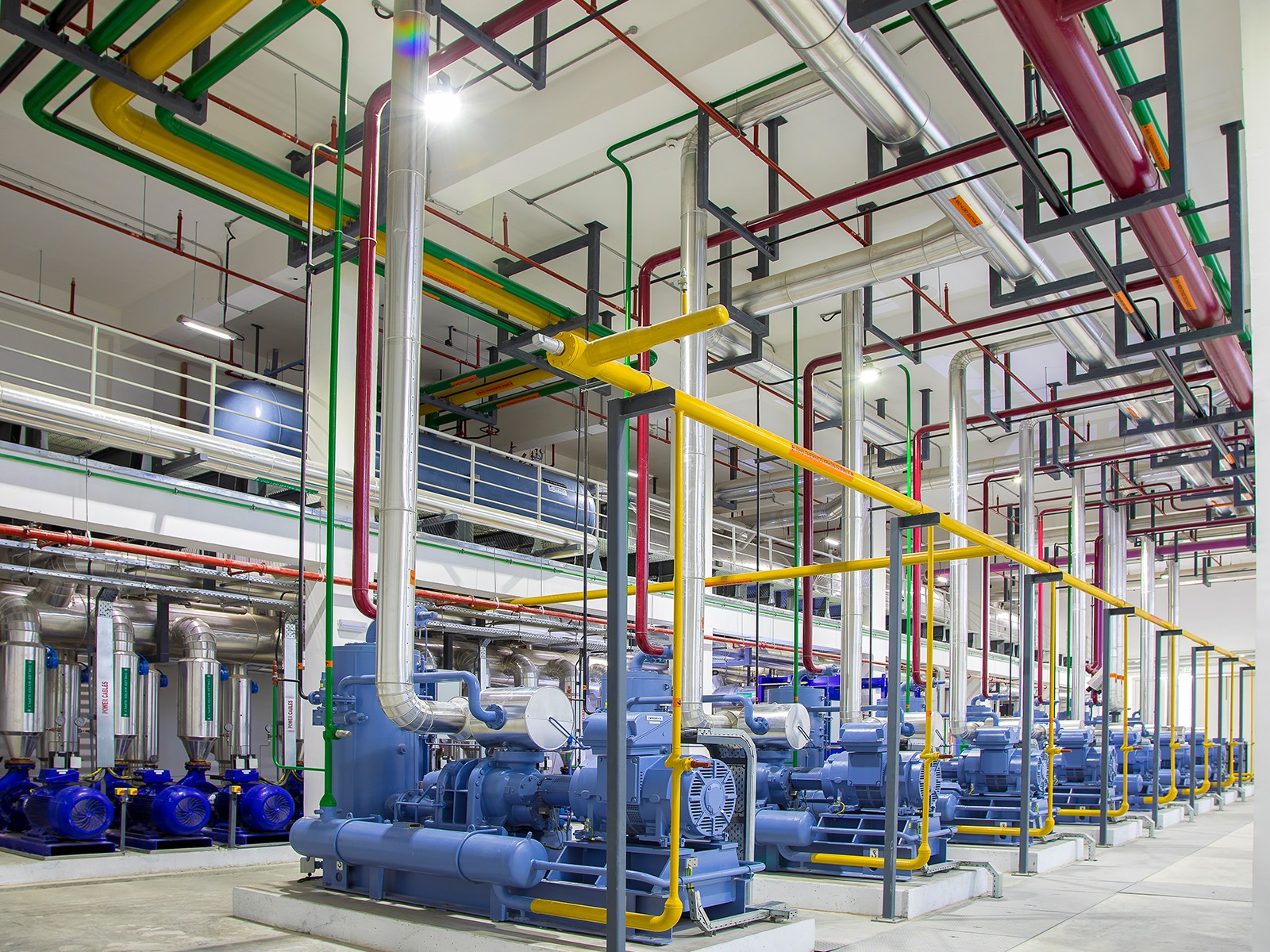
Industrial water chillers play a critical role in modern refrigeration and cooling systems across multiple industries. From manufacturing plants and food processing facilities to pharmaceutical operations and commercial buildings, industrial water chillers help maintain precise temperature control for equipment, products, and industrial processes. As industries continue prioritizing energy efficiency, production reliability, and operational performance, demand for advanced industrial refrigeration solutions continues growing worldwide.
Industrial water chillers are designed to remove heat from water and transfer it away from industrial systems, helping maintain stable temperatures during continuous operations. These systems are essential in environments where overheating could damage machinery, reduce product quality, or interrupt production processes.
Modern industrial refrigeration technology has advanced significantly in recent years, offering improved efficiency, automation, sustainability, and performance for a wide range of industrial applications.
What Are Industrial Water Chillers?
Industrial water chillers are cooling systems designed to lower the temperature of water used in industrial equipment and processes. The chilled water circulates through machinery, heat exchangers, or production systems to absorb heat and maintain controlled operating temperatures.
Once the water absorbs heat, the chiller removes the excess thermal energy and cools the water again before recirculating it through the system.
Industrial water chillers are commonly used in:
- Manufacturing facilities
- Plastic processing plants
- Food and beverage production
- Pharmaceutical manufacturing
- Chemical processing
- HVAC systems
- Medical equipment cooling
- Data centers
These systems help improve operational efficiency and protect sensitive equipment from overheating.
Importance of Temperature Control in Industry
Temperature regulation is essential in many industrial processes. Excess heat can negatively affect machinery performance, product consistency, and workplace safety.
Industrial refrigeration solutions help:
- Maintain stable production temperatures
- Improve equipment lifespan
- Prevent overheating
- Enhance product quality
- Reduce downtime
- Improve energy efficiency
Precise cooling systems are especially important in industries requiring strict environmental control and production accuracy.
Types of Industrial Water Chillers
There are several types of industrial water chillers, each designed for specific operational needs and environmental conditions.
Air-Cooled Water Chillers
Air-cooled chillers use fans to transfer heat from refrigerant systems into the surrounding air.
Benefits include:
- Easier installation
- Lower water usage
- Reduced maintenance requirements
Air-cooled systems are commonly used in facilities where water availability is limited.
Water-Cooled Chillers
Water-cooled chillers use cooling towers and water circulation systems to remove heat more efficiently.
Advantages may include:
- Higher energy efficiency
- Better performance in large facilities
- Longer operational lifespan
These systems are often used in large industrial plants and commercial buildings.
Portable Chillers
Portable industrial chillers are compact systems designed for mobility and flexible installation.
They are commonly used for:
- Temporary cooling needs
- Smaller manufacturing systems
- Laboratory applications
Portable units offer flexibility and ease of relocation.
Process Chillers
Process chillers are specifically designed to support industrial manufacturing processes requiring precise temperature control.
Industries using process chillers include:
- Injection molding
- Laser cutting
- Food processing
- Pharmaceutical production
These systems help maintain consistent product quality and operational stability.
Industrial Applications of Water Chillers
Industrial water chillers are used across a wide range of industries where heat management is critical.
Manufacturing and Production
Manufacturing facilities rely on chillers to cool machinery and maintain stable process temperatures.
Applications may include:
- CNC machines
- Injection molding equipment
- Welding systems
- Printing machinery
Cooling systems help improve productivity while reducing equipment wear.
Food and Beverage Industry
The food industry requires precise refrigeration and cooling to maintain product safety and quality.
Industrial water chillers are used for:
- Beverage cooling
- Dairy processing
- Brewery operations
- Food preservation
Temperature consistency is essential for meeting safety standards and preserving freshness.
Pharmaceutical Manufacturing
Pharmaceutical production often requires strict environmental control to maintain chemical stability and product integrity.
Industrial chillers support:
- Laboratory cooling
- Drug manufacturing
- Equipment temperature regulation
- Controlled production environments
Reliable cooling systems help maintain compliance with industry regulations.
Plastic and Injection Molding
Plastic manufacturing processes generate significant heat during production.
Industrial chillers help cool molds and machinery, improving:
- Product consistency
- Production speed
- Equipment performance
Stable cooling also reduces defects in finished plastic products.
Medical and Healthcare Applications
Medical imaging equipment and laboratory systems often require reliable cooling solutions.
Industrial water chillers may support:
- MRI systems
- CT scanners
- Laser medical devices
- Laboratory instruments
Precise temperature control protects sensitive equipment and ensures accurate operation.
Energy Efficiency and Sustainability
Energy efficiency has become one of the most important considerations in industrial refrigeration solutions.
Modern industrial water chillers are designed to reduce:
- Electricity consumption
- Water usage
- Carbon emissions
- Operational costs
Features supporting energy efficiency may include:
- Variable speed compressors
- Smart control systems
- Advanced heat exchangers
- Eco-friendly refrigerants
Sustainable refrigeration systems help businesses lower environmental impact while improving operational performance.
Importance of Proper Chiller Sizing
Selecting the correct chiller size is essential for efficient performance.
Oversized systems may waste energy, while undersized chillers may struggle to maintain proper cooling levels.
Factors affecting chiller selection include:
- Heat load requirements
- Facility size
- Environmental conditions
- Production demands
- Equipment specifications
Professional system design and engineering help ensure optimal performance and long-term reliability.
Maintenance and System Reliability
Regular maintenance is critical for maintaining industrial chiller performance and preventing unexpected breakdowns.
Routine maintenance may include:
- Refrigerant checks
- Filter cleaning
- Pump inspections
- Heat exchanger maintenance
- Electrical system testing
Preventive maintenance helps extend equipment lifespan while improving efficiency and reliability.
Modern systems often include automated monitoring tools that help identify performance issues early.
Smart Technology and Automation
Industrial refrigeration systems continue evolving through automation and smart technology integration.
Advanced control systems now offer:
- Remote monitoring
- Automated diagnostics
- Real-time temperature control
- Energy usage tracking
- Predictive maintenance alerts
These technologies improve operational efficiency and reduce downtime.
Artificial intelligence and IoT-based monitoring systems are expected to play larger roles in future industrial cooling systems.
Refrigerants and Environmental Regulations
Environmental regulations continue shaping industrial refrigeration technology.
Modern chillers increasingly use eco-friendly refrigerants designed to reduce environmental impact and comply with international standards.
Industries must consider:
- Refrigerant efficiency
- Environmental safety
- Regulatory compliance
- Sustainability goals
Manufacturers continue developing refrigeration systems that balance performance with environmental responsibility.
Benefits of Industrial Water Chillers
Industrial water chillers provide numerous operational advantages, including:
- Precise temperature control
- Improved equipment performance
- Reduced downtime
- Energy savings
- Better product consistency
- Enhanced operational reliability
These systems support both productivity and long-term cost savings across many industries.
Future of Industrial Refrigeration Solutions
The future of industrial refrigeration technology will likely focus heavily on sustainability, automation, and energy efficiency.
Future trends may include:
- AI-driven cooling optimization
- Advanced eco-friendly refrigerants
- Improved smart monitoring systems
- Greater energy recovery integration
- Enhanced automation capabilities
As industries continue modernizing operations, industrial water chillers will remain essential components of efficient and reliable production systems.
Choosing the Right Industrial Chiller Provider
Selecting the right industrial refrigeration provider is important for long-term system performance and support.
Important considerations may include:
- Industry experience
- Engineering expertise
- Maintenance services
- Energy efficiency solutions
- Custom system design
- Technical support
A reliable provider can help businesses design cooling systems tailored to specific operational requirements.
Final Thoughts
Industrial water chillers are essential components of modern refrigeration and process cooling systems. They help industries maintain stable temperatures, improve equipment performance, and support efficient operations across manufacturing, healthcare, food production, and many other sectors.
As technology continues advancing, industrial refrigeration solutions are becoming more energy-efficient, sustainable, and intelligent. Businesses investing in high-quality industrial water chillers benefit from improved productivity, reduced operational costs, and enhanced long-term reliability.
From precision manufacturing to large-scale industrial processing, industrial water chillers continue playing a vital role in supporting safe, efficient, and modern industrial operations worldwide.
