

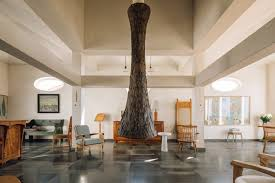
In the ever-evolving realm of hospitality design, the role of the interior designer is pivotal in shaping not only the aesthetics but also the overall guest experience. This article delves into the innovative concepts pioneered by a leading hotel interior designer, whose visionary approach has redefined industry standards. With a keen understanding of contemporary trends and an unwavering commitment to sustainability, this designer has masterfully integrated cutting-edge technology, local culture, and timeless elegance into hotel interiors. Their work transcends mere functionality, creating immersive environments that resonate with guests on both emotional and sensory levels. From bespoke furnishings to thoughtfully curated art installations, each project reflects a deep respect for the surrounding context while pushing the boundaries of traditional design. As travelers increasingly seek unique and personalized experiences, the insights and methodologies of this designer offer valuable perspectives on how to meet and exceed those expectations. By exploring their innovative concepts and signature style, we gain a deeper appreciation for the art and science of hotel interior design, illustrating how it can inspire a sense of place, enhance guest satisfaction, and ultimately drive the success of hospitality brands in a competitive marketplace.
Transforming Spaces with Unique Designs
The role of a hotel interior designer extends beyond mere aesthetics; it involves the meticulous crafting of environments that evoke specific emotions and experiences. By incorporating distinct design elements, such as bespoke furnishings, art installations, and thoughtful color palettes, these professionals create spaces that resonate with guests on a personal level. Each design choice reflects not only the brand’s identity but also the local culture, enhancing the overall guest experience and fostering a deeper connection to the destination.
Moreover, unique design solutions can optimize functionality within spaces, ensuring that every area serves a purpose while remaining visually appealing. This approach enables hotel interior designers to maximize room layouts, enhance communal areas, and create flexible environments that cater to diverse guest needs. By intertwining beauty with practicality, these designs not only attract visitors but also cultivate a lasting impression, encouraging repeat stays and enhancing overall guest satisfaction.
Sustainable Materials in Modern Interiors
The integration of sustainable materials has become a cornerstone of modern hotel interior design, reflecting a growing awareness of environmental responsibility. By selecting responsibly sourced products, such as reclaimed wood, recycled metal, and eco-friendly textiles, hotel interior designers can create luxurious yet sustainable spaces that align with contemporary values. This approach not only minimizes the ecological footprint of the design but also tells a story of craftsmanship and heritage, resonating deeply with environmentally-conscious travelers.
Furthermore, the use of sustainable materials elevates the overall aesthetic of hotel interiors, creating inviting atmospheres that prioritize guest comfort and well-being. Natural materials can enhance air quality and provide a tactile connection to the environment, fostering a sense of tranquility. As guests increasingly seek out accommodations that reflect their values, the thoughtful selection of sustainable materials by hotel interior designers becomes essential in delivering experiences that are both memorable and aligned with a commitment to sustainability.
Blending Functionality with Aesthetic Appeal
In modern hotel interior design, achieving a harmonious balance between practicality and visual appeal is essential for creating memorable guest experiences. A hotel interior designer must consider not only the beauty of a space but also how it serves the needs of its occupants. By prioritizing layouts that facilitate seamless movement and utilizing furnishings that are both stylish and functional, designers can enhance the usability of hotel environments. Smart storage solutions, multi-purpose furniture, and intuitive space planning contribute to an atmosphere that feels both luxurious and comfortable, catering to the diverse expectations of today’s travelers.
Moreover, the careful selection of color palettes, textures, and lighting further reinforces this dual focus on functionality and aesthetic appeal. By employing design elements that evoke a sense of place while also addressing the practical necessities of everyday use, hotel interior designers can create environments that not only attract guests but also encourage them to linger. This thoughtful approach ensures that every aspect of the design contributes to an overall narrative that resonates with guests, fostering an emotional connection that transcends the physical space.
In conclusion, the innovative concepts presented by leading hotel interior designers illustrate the profound impact that creative design can have on the hospitality experience. By seamlessly blending functionality with aesthetic appeal, these professionals are not only transforming hotel spaces but also enhancing guest satisfaction and engagement. The emphasis on sustainability, local culture, and personalized experiences demonstrates a forward-thinking approach that caters to the evolving preferences of today’s travelers. As the industry continues to adapt to new challenges and opportunities, the visionary designs showcased promise to redefine the standard of excellence in hotel interiors for years to come.
