

A useful video can lose much of its impact when viewers cannot understand the language being spoken. This is a common challenge for educators, independent filmmakers, businesses, and organizations sharing information with audiences in different regions. Subtitles offer one solution, but some viewers connect more easily with content when they can hear the message in a familiar language.
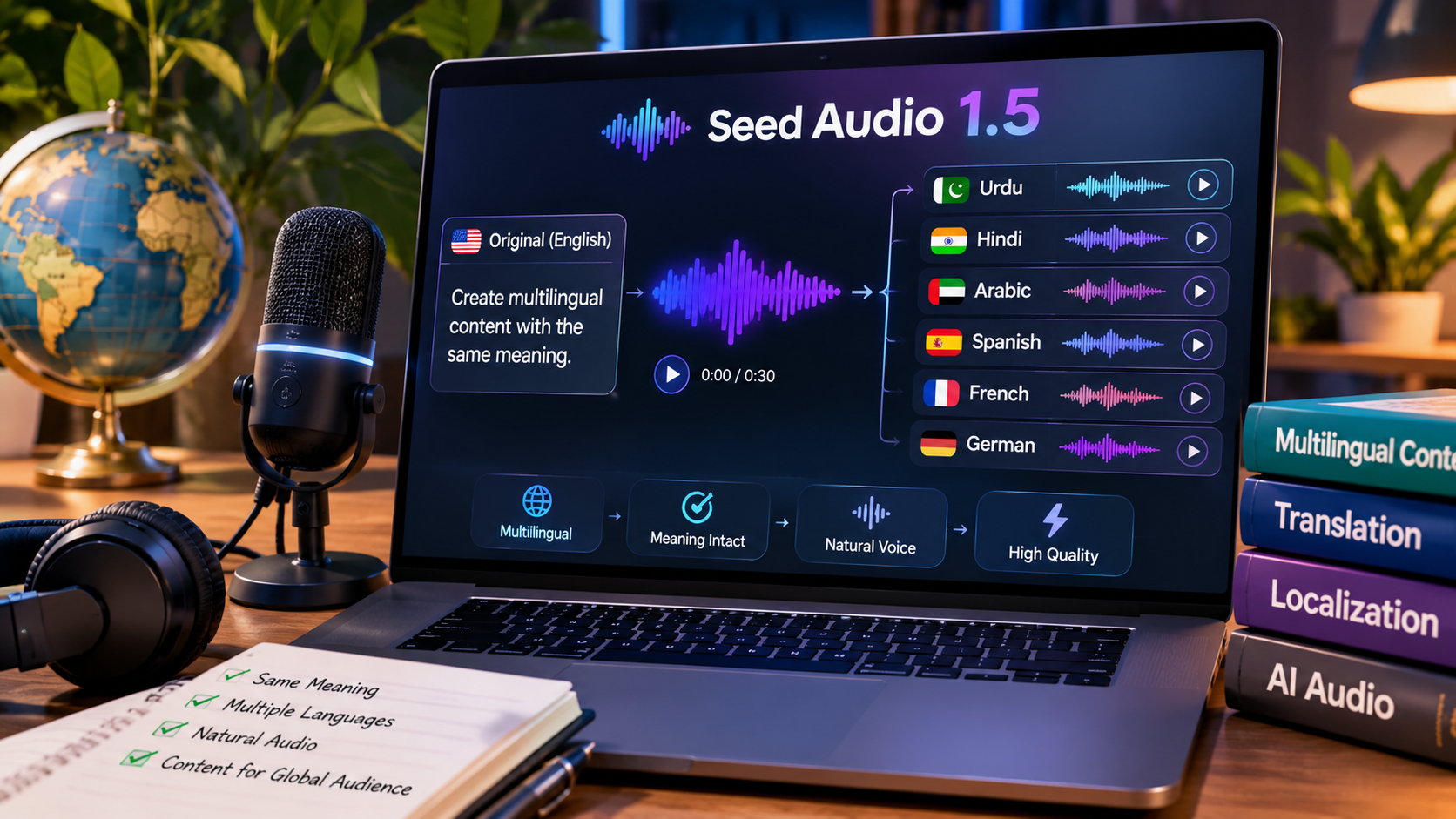
Multilingual audio production involves more than replacing one set of words with another. The translated speech needs to fit the original scene, match the speakers, and preserve the atmosphere that gives the video its character. Seed Audio 1.5 is designed to support this kind of work through audio generation and video-aware dubbing capabilities. Its potential value lies in helping creators prepare language versions while keeping the wider experience of the original content in view.
Translation Should Begin With the Audience
Before preparing a dubbed version, creators need to understand who will watch it. A training video for employees, for example, may require direct and simple language. A documentary aimed at a general audience may need a more conversational delivery, while an educational lesson might benefit from clear explanations and carefully chosen terminology.
The first step is therefore to review the original script and identify its purpose. Which ideas must remain unchanged? Are there expressions that make sense only within one culture? Are any references likely to confuse people in another region? These questions help prevent word-for-word translation from becoming the main objective. A successful adaptation communicates the same essential message in a way that feels natural to its new audience.
Give Every Speaker a Clear Identity
A video with several speakers presents a different challenge from a single-person narration. An interview may include a presenter, a specialist, and members of the public, each with a distinct way of communicating. If the translated version gives every person an identical delivery, the conversation can become difficult to follow. Seed Audio 1.5 is described as supporting reference audio to guide voice characteristics and allowing multiple speakers to be included in a scene. This can help creators plan different vocal identities for a translated version.
A useful preparation document should identify each speaker, their role, the tone of their contribution, and any pronunciation requirements. The aim is not necessarily to imitate every small detail of the original performance. It is to preserve the differences that help viewers understand who is speaking and why their contribution matters.
Protect the Meaning Behind Local Expressions
Some phrases cannot be translated naturally by replacing each word. Humor, greetings, idioms, professional terms, and cultural references may carry meanings that depend on local experience. Imagine a short film in which a teacher explains a traditional saying to students. A direct translation might sound confusing in another language, even when the words are technically correct. A more suitable version may need a different expression that communicates the same lesson.
This is where human review remains essential. A fluent speaker familiar with the subject should check the translated script before audio generation. They can identify awkward wording, explain expressions that need adaptation, and ensure that important details have not disappeared.
Keep the Original Atmosphere Recognizable
Dialogue is only one part of a video. A documentary may contain street sounds, classroom activity, music, or the quiet background atmosphere of an interview location. Removing these elements during translation can make a familiar scene feel strangely empty. One of the capabilities described for Seed Audio 1.5 is video translation that replaces spoken language while retaining original background music and sound effects. This approach can help creators consider translated speech as part of the existing audiovisual experience instead of treating it as an entirely separate production.
For example, a short educational film recorded in a workshop may include tools moving, people working, and occasional background conversation. The translated voice should remain understandable without making the setting feel disconnected from the picture.
Prepare the Video Before Generating a New Version
A reliable multilingual workflow starts with a clean source. Creators should check the original edit, confirm the final dialogue, and remove temporary notes or unwanted interruptions. Speaker changes should be easy to identify, and important names or specialist terms should be recorded with their preferred pronunciation. Next, prepare the translated script and have it reviewed by someone familiar with the target language. Where reference recordings are used, make sure they are clear and supplied with permission. A platform’s available input options and language support should also be checked before production.
Dreamina can complement this preparation when a project needs visual assets for different language audiences, such as supporting graphics or promotional imagery. Keeping the visual materials consistent with the video’s subject helps the separate language versions feel like parts of the same project.
Make Quality Control a Listening Exercise
A translated video should not be approved simply because the speech is understandable. Watch the complete version and consider the experience from the audience’s perspective. Does the speaker finish a sentence before the next scene changes? Are names and technical terms pronounced correctly? Does the emotional delivery suit the situation? Is the dialogue clear over the background audio? Are any culturally important details missing?
It is also useful to ask native speakers to review the final version, especially when the content involves health, education, public information, or professional instructions. They may notice wording that sounds unnatural even when its basic meaning is correct. Different platforms may offer different access levels, export options, and language choices for Seed Audio 1.5. Creators should confirm the current capabilities before making firm production plans.
Final Thoughts
Multilingual video production is ultimately about helping people understand the same message across language boundaries. Seed Audio 1.5 offers a scene-aware approach to audio generation and dubbing that can support this goal while keeping dialogue connected to the surrounding video. Technology can help with the production process, but meaningful localization still depends on cultural awareness, accurate translation, and careful listening. When these elements work together, a video can reach a wider audience without losing the message that made it worth sharing.
Frequently Asked Questions
How is video dubbing different from adding subtitles?
Subtitles display translated text on screen, while dubbing provides spoken dialogue in another language. Dubbing can be more accessible for viewers who prefer listening or find reading subtitles difficult.
Can Seed Audio 1.5 support videos with multiple speakers?
Its described capabilities include reference audio for different voices and multi-speaker scene generation. The final result should still be reviewed to ensure speakers remain distinguishable and their lines are assigned correctly.
Does translating dialogue require changing the background sounds?
Not always. Keeping suitable original sound effects and music can preserve the atmosphere of a scene. Whether any background audio needs adjustment depends on the content and the quality of the original recording.
Why should a native speaker review generated dubbing?
A native speaker can identify unnatural expressions, pronunciation problems, cultural misunderstandings, and missing context. This is especially important when the video communicates specialist or sensitive information.
Is every video suitable for automatic dubbing?
No. Videos with overlapping conversations, unclear recordings, specialized terminology, or complex cultural references may need additional preparation and editing. Human review helps determine whether the translated version communicates the intended message accurately.
