

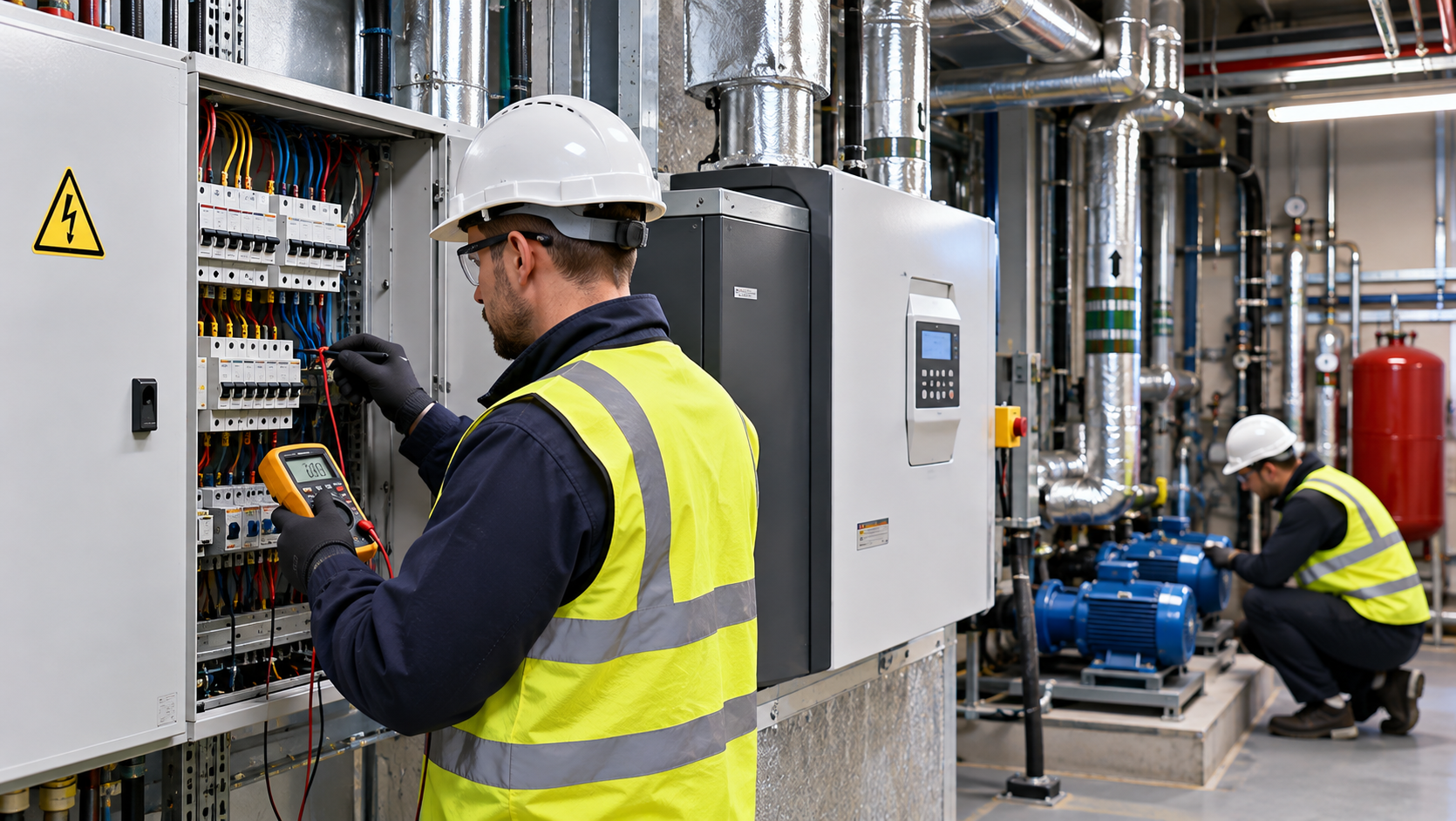
Commercial buildings depend on mechanical and electrical systems to stay safe, comfortable and usable. Heating and ventilation keep indoor conditions stable, lighting and power support everyday work, and controls help everything run together. When these systems are neglected, faults tend to appear at the worst moment, causing downtime, higher energy use and safety risks. That is why many organisations put mechanical and electrical maintenance services at the centre of their building care plans.
What Mechanical and Electrical Maintenance Covers
Mechanical and electrical work, often called M&E, covers the plant and wiring that keep a building operating. Mechanical systems typically include boilers, heating, ventilation, air conditioning and sometimes lifts. Electrical systems include incoming supplies, distribution boards, lighting, emergency lighting, small power and associated controls.
Mechanical and electrical maintenance services bring these systems together under a planned programme rather than treating each fault as a one-off problem. The aim is to keep equipment reliable, efficient and compliant, and to reduce unexpected disruption.
Why Planned Maintenance Matters
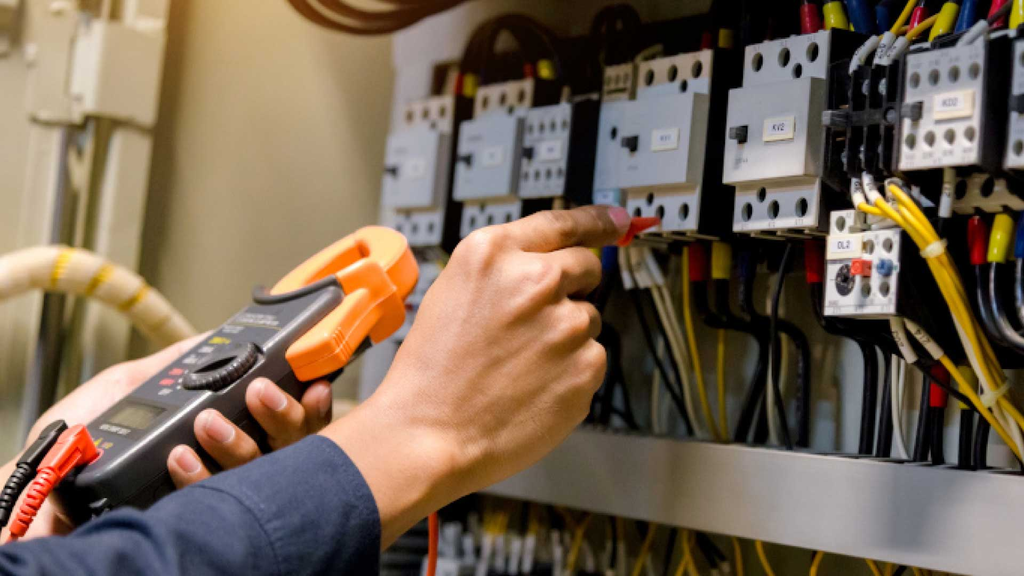
A reactive approach, where engineers are only called when something stops working, can be costly. A failed boiler in winter or a power fault in a busy workplace may lead to emergency call-outs, closures and knock-on damage. Planned maintenance spreads inspections and servicing across the year so issues can be found while they are still small.
Regular attention also supports energy performance. Dirty filters, poorly set controls and overdue plant services often use more energy than they should. Over time, a scheduled approach usually costs less than repeated emergency repairs.
Typical Tasks in an M&E Programme
A well-structured programme usually includes inspections, testing, servicing and replacing worn parts before they fail. Mechanically this may mean checking boilers, pumps, fans and air handling units. Electrically it may include testing emergency lighting, inspecting distribution boards and carrying out periodic installation checks.
Many of these tasks have recommended intervals. Some are weekly or monthly, such as basic emergency lighting tests, while others are annual or less frequent. The right mix depends on how the building is used, the age of the plant and any legal or manufacturer requirements.
Compliance and Record Keeping

Mechanical and electrical systems sit close to several legal duties in commercial premises. Gas safety, electrical installation condition reports, fire alarm and emergency lighting testing, and ventilation hygiene can all form part of the picture. Who is responsible often depends on the lease.
Good records make this easier. An asset list, service dates, certificates and notes of any defects help show that the building is being looked after properly. They also help with budgeting, because they show which equipment is becoming costly to keep in service.
Choosing the Right Level of Support
A small office will not need the same programme as a school, warehouse or healthcare site. Some organisations handle simple checks in-house and call in specialists for plant and electrical work. Others prefer a single provider to coordinate mechanical and electrical maintenance services across the whole building.
The essentials stay the same in either case: a clear schedule, qualified engineers, accurate records and a plan for both routine servicing and unexpected faults. With those in place, mechanical and electrical maintenance services help keep buildings safe, efficient and ready for daily use.
