

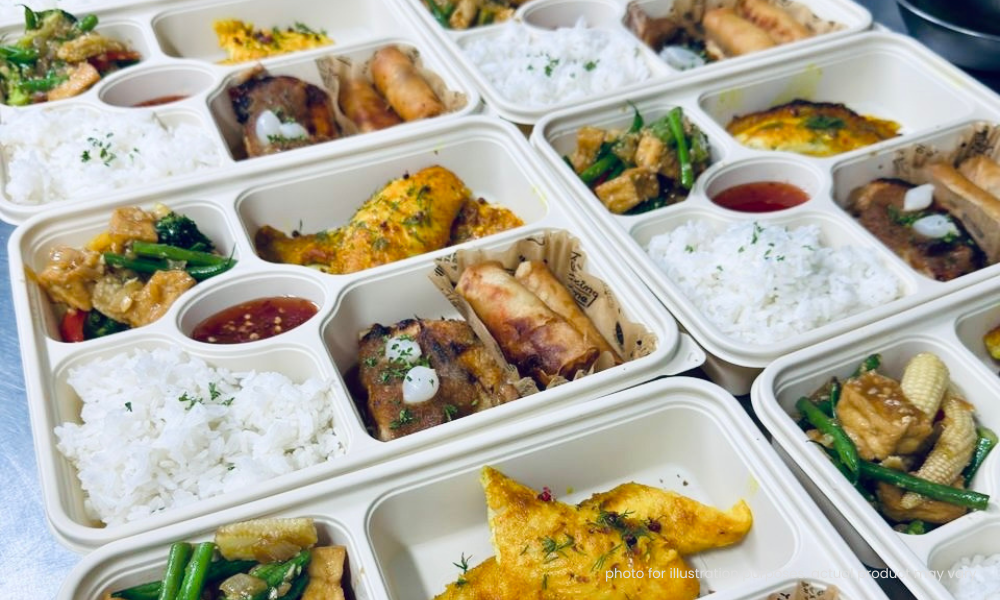
How can a well-organised meal arrangement improve the experience of a professional meeting? In today’s fast-paced workplace environment, Lunch boxes for meetings (飯盒到會) provide a convenient way to serve complete meals without interrupting the flow of business activities. Individual portions, organised presentation, flexible menus, and straightforward distribution make lunch boxes a useful catering format for meetings of different sizes. They can support everything from short team discussions to full-day workshops while helping organisers maintain a polished and comfortable dining experience.
Why are lunch boxes becoming a practical choice for meetings?
Meetings often operate according to carefully planned schedules. Participants may have presentations to attend, discussions to complete, or sessions that need to begin at specific times. A meal arrangement that is easy to distribute can therefore add considerable convenience.
Lunch boxes provide an organised alternative to more complicated meal setups. Each participant can receive a prepared portion, allowing the group to begin eating without lengthy preparation or a large serving area.
This approach is particularly useful when the meeting venue has limited dining space. Meals can be enjoyed comfortably at conference tables, desks, training rooms, or other suitable areas.
How can individual lunch boxes improve meeting efficiency?
Efficiency is an important consideration when planning corporate catering. A traditional meal setup may require serving dishes, utensils, tables, or additional arrangements before participants can eat. Individual lunch boxes simplify much of this process.
Because meals are already portioned and packaged, distribution can be completed efficiently. Participants can collect their meals and continue with their planned schedule.
This creates a smoother transition between meeting sessions and lunch breaks. Organisers can focus on the event itself while participants enjoy a convenient meal without unnecessary waiting.
What types of meetings can benefit from lunch box catering?
Lunch boxes are adaptable enough to suit many professional occasions. They can be used for regular office meetings, management discussions, employee training, workshops, seminars, conferences, presentations, and corporate gatherings.
They can also work well during longer events where participants remain at the same venue throughout the day. Providing lunch at the venue saves time and creates a more integrated event experience.
For smaller team meetings, individual meals offer a simple solution. For larger corporate functions, coordinated lunch boxes can help organisers manage meals for many attendees in an orderly way.
Can lunch boxes accommodate different food preferences?
Menu flexibility is one of the valuable features of organised lunch catering. Different participants may have different tastes, and a suitable menu can include a selection of ingredients and meal combinations.
Options can feature different proteins, vegetables, rice, noodles, salads, and complementary side dishes. Vegetarian choices can also be incorporated where appropriate.
Providing a varied selection can make attendees feel more comfortable and considered. It also gives organisers the flexibility to create a menu that matches the style and expectations of their event.
Why is portion consistency important for business meetings?
Consistency helps create a professional catering experience. When each meal is individually prepared, participants can expect a similar overall portion and presentation.
This is also useful for event planning. Organisers can estimate the number of required meals based on attendance and coordinate the catering requirements more clearly.
A consistent meal structure can make distribution easier and reduce uncertainty during the lunch period. It also supports a balanced dining experience where each participant receives a complete meal.
How does presentation influence the meeting experience?
Food presentation contributes to the overall impression of an event. A neatly arranged lunch box can provide a clean and professional appearance that complements the atmosphere of a business meeting.
Well-organised packaging keeps different food components together and makes meals easier to handle. This is particularly beneficial in professional environments where attendees may need to eat while remaining seated at meeting tables.
A visually appealing meal can also create a more welcoming atmosphere during what might otherwise be a routine lunch break.
Are lunch boxes convenient for meetings with tight schedules?
Yes. One of the main benefits of prepared lunch boxes is that they can fit naturally into structured schedules. When meals are ready for distribution, participants do not need to spend time deciding where to eat or travelling to another location.
This can be particularly valuable during training programmes and conferences where several sessions may be scheduled throughout the day.
A well-timed lunch can provide participants with a comfortable break while allowing the programme to continue according to plan.
How can organisers plan the right quantity of meals?
Attendance is the starting point for effective meal planning. Organisers can estimate the expected number of participants and arrange an appropriate quantity of lunch boxes.
It is helpful to consider confirmed attendees, additional staff, speakers, guests, and other people involved in the event. Planning these details in advance can create a more comfortable experience for everyone.
Organisers can also establish meal preferences ahead of time where different menu options are available. This provides greater clarity before the meeting begins.
What should organisers consider when selecting meeting lunch boxes?
Several practical factors can contribute to a successful catering arrangement. Menu suitability, portion size, packaging, presentation, delivery timing, and ease of distribution are all relevant considerations.
The food should complement the meeting environment. Meals that are easy to handle can be particularly suitable for conference rooms and workplaces.
It is also useful to consider the duration of the meeting. A short lunchtime discussion may require a straightforward meal, while a full-day event may benefit from more varied catering arrangements.
Can lunch boxes support larger corporate gatherings?
Individual meal packaging can be particularly useful when catering for larger groups. Instead of creating one large serving area, organisers can distribute meals directly to participants.
This approach can help maintain an orderly flow even when many people are attending the same event. It also provides flexibility when different rooms or seating areas are being used.
For conferences, seminars, and corporate training sessions, this format can make meal coordination more manageable while keeping the dining experience consistent.
How can lunch boxes contribute to a positive employee experience?
Food is an important part of workplace hospitality. A thoughtfully prepared lunch can give employees an enjoyable break from their usual routine and provide an opportunity to relax during a busy day.
Individual lunch boxes offer a sense of convenience because participants can enjoy their meals without leaving the venue. A varied menu can further improve the experience by giving employees appealing choices.
For internal company events, this simple gesture can help create a welcoming atmosphere and make participants feel valued.
Are lunch boxes suitable for client and guest meetings?
A professionally presented meal can complement meetings involving clients, visitors, or business partners. Convenient packaging allows organisers to provide refreshments without creating unnecessary interruptions.
The menu can be selected according to the character of the meeting, whether it is a casual business discussion, formal presentation, workshop, or hospitality event.
A well-coordinated meal arrangement can help create a comfortable environment where guests can focus on conversation and business activities.
What makes packaging an important part of meeting catering?
Packaging plays a practical role because meeting environments often have limited space. Individual containers keep food organised and help prevent the need for large serving arrangements.
Good packaging can also make transportation and distribution easier. Participants can carry their meals from one area to another if the event uses multiple rooms.
For organisers, this means the catering setup can remain efficient while maintaining a professional appearance throughout the event.
How can advance coordination improve the catering process?
Planning ahead gives organisers greater control over the entire meal experience. Details such as attendance, menu preferences, venue access, delivery timing, and distribution arrangements can be considered before the event.
Clear coordination can reduce last-minute pressure and help the meal arrive at a suitable time. It also allows the catering arrangement to align more closely with the meeting agenda.
When food service and event scheduling work together, participants can enjoy lunch without unnecessary disruption.
Can lunch boxes create a more organised meeting environment?
They can contribute to a more structured atmosphere because each participant receives an individual meal. This reduces the need for shared serving arrangements and keeps the dining area relatively organised.
The format can be especially helpful when participants have limited time between sessions. A prepared meal allows them to begin eating promptly and return to the agenda when the break ends.
This balance between convenience and organisation makes lunch boxes suitable for a wide variety of professional environments.
What long-term benefits can businesses gain from organised meeting meals?
Businesses regularly conduct meetings, training sessions, workshops, and employee events. Having a practical catering format available can make recurring event planning easier.
A consistent approach to lunch arrangements can simplify future planning and provide participants with a familiar dining experience. Organisers can also develop preferred menu styles based on the needs of their teams and events.
Over time, efficient catering can become a valuable part of broader workplace event management.
Conclusion
Lunch boxes for meetings offer a convenient and professional way to integrate meals into modern workplace events. Their individual portions, flexible menus, organised packaging, and straightforward distribution make them suitable for meetings ranging from small team discussions to large corporate gatherings. With thoughtful planning, suitable menu choices, and well-timed delivery, lunch boxes can support productivity while giving participants a comfortable and enjoyable break. As professional meetings continue to value efficiency and positive attendee experiences, organised lunch box catering provides a practical approach to workplace hospitality.
