

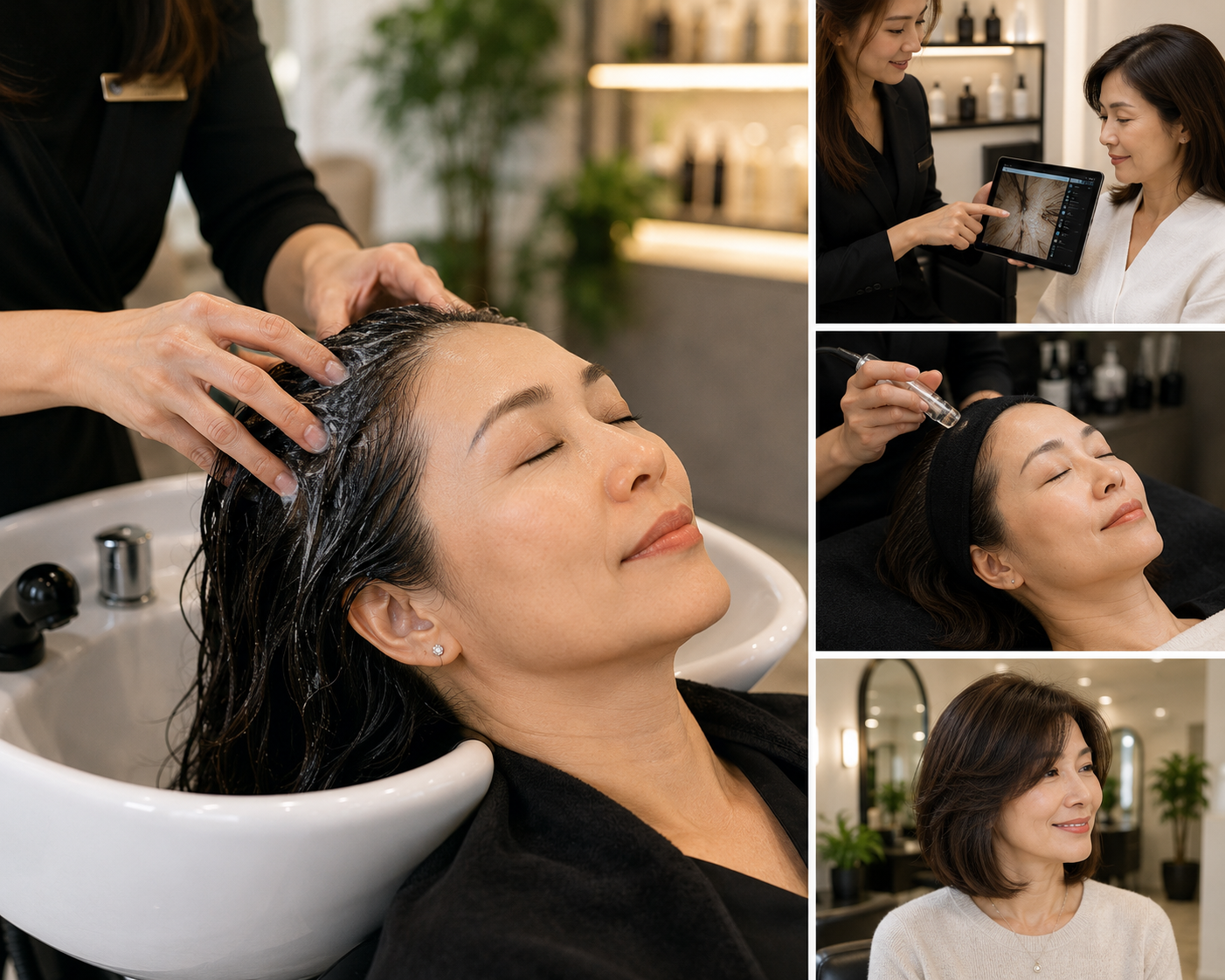
Menopause is a profound biological milestone, marking a new chapter of wisdom, freedom, and self-discovery. However, the physical transitions that accompany this stage can sometimes feel overwhelming. While hot flashes and sleep disturbances are widely discussed, one of the most emotionally distressing—yet least talked about—symptoms is the dramatic shift in hair texture and density. If you are noticing that your once-thick ponytail feels significantly thinner, or that your strands have suddenly become dry, brittle, and unmanageable, it is important to know that you are not alone, and these changes are deeply rooted in biology.
The Biological Impact of Hormonal Shifts
To navigate these changes effectively, it helps to understand exactly what is happening beneath the surface. During perimenopause and menopause, your body’s production of estrogen and progesterone rapidly declines. These two hormones are your hair’s best friends—they keep strands in their active growth phase longer and promote natural oil (sebum) production for a silky, hydrated texture.
As these female hormones drop, the relative influence of androgens (male hormones) in your body increases. This hormonal imbalance triggers two major issues. First, it causes hair follicles to miniaturize, resulting in new hair that grows in finer, weaker, and much slower. Second, the reduction in natural sebum production leaves the scalp and hair desperately parched, causing the strands to feel wiry, coarse, and highly prone to breakage.
Why Standard Conditioners Are No Longer Enough
When faced with dry, thinning hair, the natural instinct is to slather on heavy, rich conditioners and thick hair oils. Unfortunately, this often exacerbates the problem. Heavy silicones and dense creams can easily clog the hair follicles and weigh down already-thinning strands, making your hair look even flatter and exposing more of the scalp.
To genuinely combat menopausal hair changes, you must shift your focus away from the ends of your hair and redirect it entirely to the root. A healthy, stimulated, and thoroughly oxygenated scalp is the absolute prerequisite for healthy hair growth.
The Clinical Benefits of a Follicular Scalp Spa
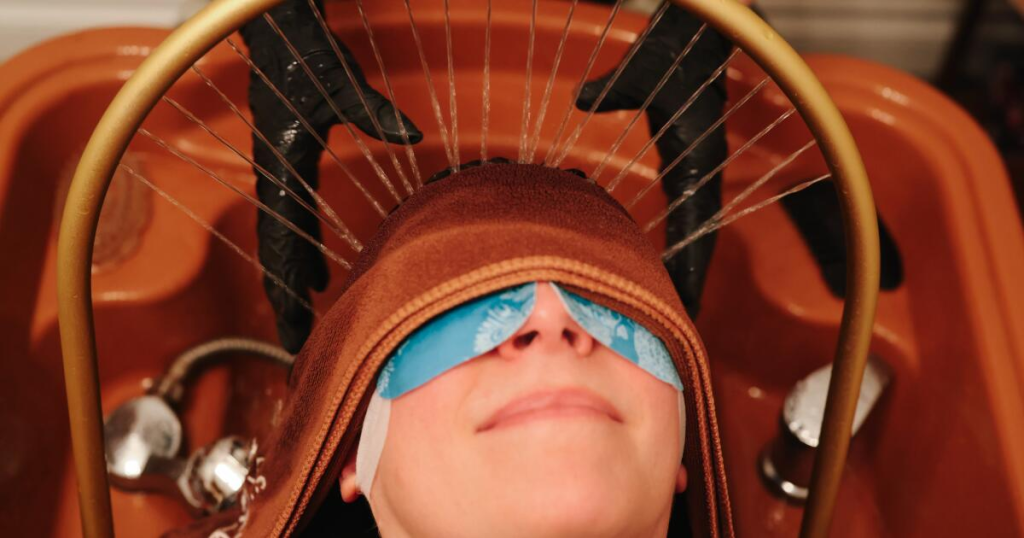
This is where professional, clinical scalp care becomes a vital part of your wellness routine. Booking a specializedscalp treatment Orchard provides targeted therapy that your at-home shampoo simply cannot replicate.
A high-qualityFar East Plaza hair spa utilizes deep, gentle botanical exfoliants to remove hardened sebum, dead skin cells, and product buildup that may be suffocating your shrinking follicles. Furthermore, the accompanying therapeutic massage significantly boosts microcirculation to the scalp. This increased blood flow delivers vital oxygen and anti-aging nutrients directly to the dormant hair roots, encouraging stronger, thicker, and more resilient regrowth. Simultaneously, weightless hydration is infused into the scalp to relieve the tight, itchy dryness so commonly associated with menopause.
Restoring Volume and Confidence
Alongside dedicated scalp therapy, adapting your hairstyle is a powerful way to reclaim your confidence. Clinging to long, heavy hair can emphasize thinning roots. By opting for a strategic, volume-enhancing cut—such as a soft, textured lob or a layered bob—you can instantly create the visual illusion of density.
Navigating the changes of menopause requires grace, patience, and expert support. Do not let shifting hair texture diminish your vibrant energy. By investing in proactive scalp health and treating yourself to a customizedhair makeover singapore, you can successfully manage these hormonal changes and embrace this new chapter of life with beautiful, healthy, and revitalized hair!
