

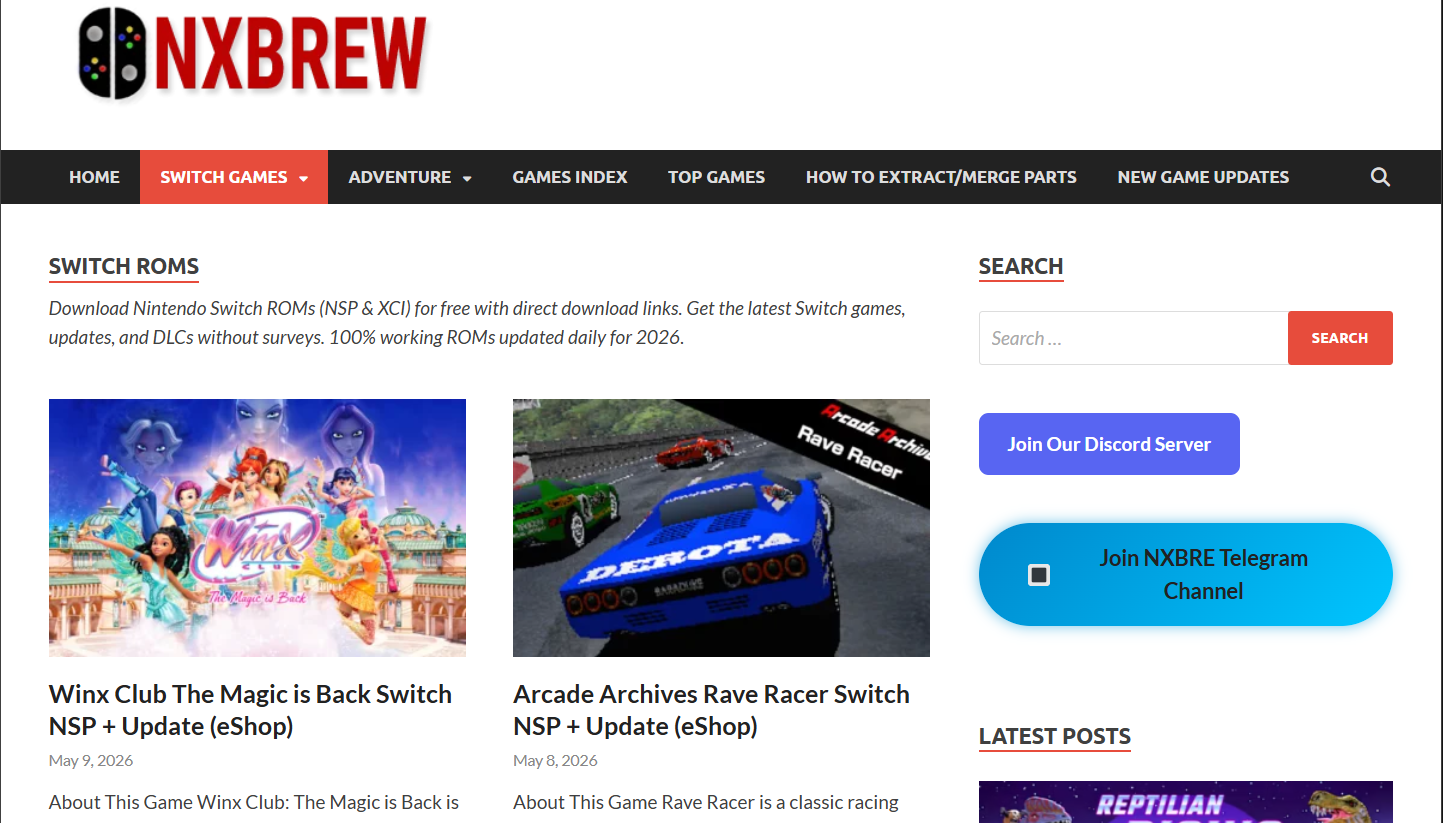
The popularity of the Nintendo Switch has created a huge online community focused on game backups, emulation, and digital preservation. Among the most searched topics in gaming today is “Nintendo Switch ROMs.” Whether you are a casual player, retro gaming fan, or emulator enthusiast, understanding how Switch ROMs work is important before diving into the scene.
In recent years, Nintendo Switch ROMs have become widely discussed across gaming forums, communities, and tech websites. Players look for ROMs to preserve purchased games, experience titles on different hardware, or explore gaming history. However, the topic also comes with legal, ethical, and technical considerations that every user should understand.
What Are Nintendo Switch ROMs?
A Nintendo Switch ROM is a digital copy of a physical or downloaded Switch game. These files contain all the game data needed to run a title on compatible hardware or emulators. ROM files are typically stored in formats such as NSP or XCI, both commonly associated with Switch game backups.
Many gamers use ROMs for legitimate purposes like backing up games they already own. Others use them to preserve titles that may eventually disappear from digital stores. Because the gaming industry is moving toward digital-only releases, preservation has become an increasingly important topic among collectors and gaming historians.
Switch ROMs are often paired with emulators, software designed to mimic the Nintendo Switch environment on PCs or other devices. Modern emulators allow users to enjoy enhanced graphics, higher frame rates, and customizable settings not always possible on original hardware.
Why Nintendo Switch ROMs Became So Popular
The Nintendo Switch quickly became one of the best-selling gaming systems in history. Popular exclusives such as The Legend of Zelda: Tears of the Kingdom, Super Mario Odyssey, and Animal Crossing: New Horizons attracted millions of players worldwide.
As the console’s popularity grew, so did interest in game preservation and emulation. PC gamers wanted to experience Switch titles with improved performance, while collectors looked for ways to archive their libraries safely.
Several factors contributed to the growth of Switch ROM communities:
- Increased interest in game preservation
- Powerful modern gaming PCs
- Rapid improvements in emulation software
- Growing digital-only game libraries
- Online gaming communities sharing technical knowledge
The rise of handheld PC gaming devices also expanded interest in Switch ROMs. Many players now seek portable ways to enjoy their game collections beyond the original console.
Understanding NSP and XCI Files
Nintendo Switch ROMs generally appear in two primary formats:
NSP Files
NSP files are digital package formats similar to games downloaded from the Nintendo eShop. They often include downloadable content, updates, and installable game data.
XCI Files
XCI files are cartridge dumps created from physical Nintendo Switch game cards. These files replicate the structure of original retail cartridges.
Both formats are commonly used in the Switch emulation scene, though compatibility may vary depending on the emulator or device being used.
Nintendo Switch Emulators
Switch emulators have improved significantly over the last few years. These programs recreate the Nintendo Switch operating environment, allowing games to run on PCs and certain handheld devices.
Some emulators focus on performance, while others prioritize compatibility or accuracy. High-end gaming PCs can often run Switch games at enhanced resolutions and smoother frame rates compared to the original hardware.
Emulation has become especially popular among players who want:
- Better graphical quality
- Keyboard and controller customization
- Faster loading times
- Mod support
- Portable PC gaming compatibility
For many users, emulation represents a way to preserve gaming experiences long-term.
The Legal Side of Nintendo Switch ROMs
The legality of Nintendo Switch ROMs depends heavily on how the files are obtained and used. Creating backups of games you personally own may be legal in some regions, but downloading copyrighted games without authorization can violate copyright laws.
Nintendo has historically taken a strong stance against piracy and unauthorized distribution. Many ROM-sharing websites have faced shutdowns, legal action, or removal requests over the years.
Gamers interested in ROMs should research their local laws carefully and understand the difference between personal backups and unauthorized distribution.
Game Preservation and Digital History
One of the strongest arguments in favor of ROM preservation is the long-term survival of video games. Digital storefronts do not last forever, and many titles eventually become unavailable through official channels.
Gaming historians and preservation advocates argue that ROM archiving helps protect important parts of gaming culture. Without preservation efforts, many classic games could disappear permanently once servers shut down or hardware becomes obsolete.
This discussion is not unique to Nintendo Switch games. Similar preservation debates exist for older consoles, arcade systems, and PC gaming platforms.
Risks Associated With ROM Downloads
While many users search for Nintendo Switch ROMs online, downloading files from unknown sources carries significant risks. Some websites may contain malware, fake downloads, or harmful software disguised as game files.
Common risks include:
- Viruses and malware
- Fake installers
- Data theft
- Corrupted game files
- Unsafe advertisements
Using trusted security software and avoiding suspicious websites is essential for anyone exploring gaming downloads online.
The Future of Nintendo Switch Emulation
As technology advances, Nintendo Switch emulation will likely continue improving. Faster processors, better graphics cards, and optimized emulator development are making it easier to run demanding Switch games on PC hardware.
The gaming industry itself is also evolving. Cloud gaming, subscription services, and digital ownership models are changing how players access games. These changes may influence how future preservation and emulation communities operate.
Meanwhile, Nintendo continues releasing new hardware innovations and exclusive titles that keep the Switch ecosystem highly relevant.
Final Thoughts
Nintendo Switch ROMs remain one of the most discussed topics in modern gaming culture. From preservation and emulation to performance enhancements and archival purposes, ROMs represent both technical innovation and ongoing legal debate.
For many players, the appeal lies in flexibility and preservation. Others are simply curious about how modern emulation works. Regardless of perspective, understanding the technology, risks, and legal implications behind Nintendo Switch ROMs is essential.
As gaming continues shifting toward digital ecosystems, conversations around ownership, preservation, and accessibility will only become more important. Whether you are a collector, emulator enthusiast, or lifelong Nintendo fan, the world of Nintendo Switch ROMs highlights how deeply technology and gaming culture are now connected.
