

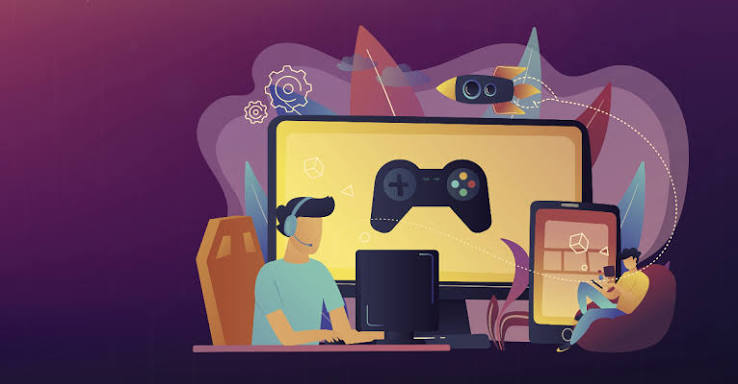
Digital entertainment has changed dramatically over the past decade. People no longer need to sit in front of a television or wait for a particular program to enjoy themselves. A smartphone, laptop, or console can open the door to enormous virtual worlds within seconds. Among all these changes, the growth of the bintangjudi industry stands out as one of the most influential developments. Games have evolved from simple forms of recreation into social spaces, competitive platforms, creative communities, and even digital economies.
The Rise of the Online Game Experience
What makes modern gaming so different from the past? The answer is connection. Earlier games often focused on a single player completing levels alone. Today, players can enter a shared world where thousands of people may be active at the same time. Friends can cooperate on missions, strangers can form teams, and competitors can meet regardless of their physical location.
This shift has made gaming feel less like a solitary hobby and more like a social experience. Imagine someone coming home after a long day at work. Instead of simply watching a show, they join their friends for a quick match. They talk through headsets, laugh about mistakes, celebrate victories, and make plans for the next round. The game becomes a meeting place.
That emotional connection is one reason the industry continues to attract new audiences.
Mobile Gaming Is Reaching More Players
Another major trend is the rapid growth of mobile gaming. Smartphones have placed sophisticated entertainment directly into people’s hands. Players do not necessarily need expensive equipment or a dedicated gaming room. A short break during lunch can become an opportunity to complete a challenge, solve a puzzle, or compete against another player.
Developers have noticed this behavior and are designing games around shorter sessions and touch-screen controls. Many mobile titles are easy to understand but offer enough depth to keep players interested for months.
This accessibility is particularly important because it removes one of the biggest barriers to gaming. If someone already owns a smartphone, they can often explore a huge variety of games without making a major investment.
Cross-Platform Play Is Changing Competition
For years, players were separated by the devices they used. Someone playing on a console could not always compete with someone using a computer. That wall is gradually disappearing.
Cross-platform play allows people on different devices to share the same digital environment. Why should a friend miss the fun simply because they prefer another platform? Modern developers increasingly recognize that players care more about playing together than about hardware differences.
This trend also creates larger and healthier communities. A game with players spread across multiple platforms can maintain an active audience for longer periods. Matchmaking becomes faster, social interaction increases, and competition becomes more diverse.
Cloud Technology Makes Gaming More Flexible
Cloud technology is another development reshaping digital entertainment. Traditionally, playing a visually demanding game required powerful hardware. Cloud-based services are changing that model by processing much of the workload remotely.
For players, this can mean greater flexibility. They may be able to access demanding experiences on devices that would previously have struggled to run them.
Consider a student who owns a basic laptop but wants to experience a high-quality title. Instead of immediately purchasing a powerful computer, cloud gaming may provide another option. The experience depends heavily on internet quality, of course, but the direction is clear: gaming is becoming less tied to a particular piece of hardware.
Social Interaction Is Becoming Part of Gameplay
Modern gaming communities are not built around gameplay alone. Communication, friendship, streaming, and community events have become important parts of the experience.
Players share highlights, discuss strategies, create fan content, and watch skilled competitors. Some communities become remarkably close. People who first meet through a game may eventually communicate every day.
This social dimension also explains why live-service games can remain relevant long after their original release. Regular updates, seasonal events, new challenges, and community activities give players reasons to return.
The experience becomes a continuing story rather than a product that ends after completion.
Competitive Gaming Continues to Grow
Competition has always been part of gaming, but esports has turned it into a global entertainment phenomenon. Professional players train for hours, study opponents, and compete in organized tournaments watched by large audiences.
For younger players especially, professional gaming can feel similar to traditional sports. They follow favorite teams, discuss strategies, and celebrate memorable performances.
At the same time, competitive features influence ordinary players. Ranking systems, leaderboards, tournaments, and seasonal rewards give casual gamers measurable goals. That simple feeling of improvement can be incredibly motivating.
Personalization Keeps Players Engaged
Today’s games increasingly allow players to shape their experiences. Characters can have different appearances, equipment, abilities, or play styles. Some games even allow users to design spaces and create content for others.
Why does personalization matter so much? People naturally become more attached to experiences that feel like their own.
A player who spends hours creating a unique character or building an impressive virtual home develops an emotional connection with that digital space. The game becomes more than a collection of challenges. It becomes a place where personal creativity can be expressed.
What Comes Next?
The future of gaming will likely continue toward greater accessibility, deeper social interaction, and richer personalization. Technology will certainly play a role, but technology alone does not explain the industry’s success.
At its heart, gaming succeeds because people enjoy stories, challenges, competition, discovery, and connection. Those motivations are timeless.
The most exciting developments will be the ones that combine these elements naturally. A game that makes people feel curious, connected, and genuinely involved has a much better chance of becoming part of their daily lives.
Digital entertainment is no longer simply about consuming content. It is increasingly about participating in an experience. As these trends continue to develop, players can expect virtual worlds to become more connected, flexible, and personal than ever before.
Whether you are a longtime player or someone discovering gaming for the first time, there has never been a more interesting moment to explore what modern games have to offer. Start with a world that catches your attention, invite someone to join you, and see where the experience takes you.
