

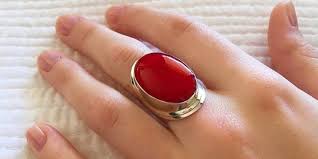
A gemstone purchase often carries meaning beyond appearance, requiring a clear understanding of authenticity, origin, and intended purpose. Among organic gemstones, red coral stone is widely recognized for its rich color and traditional relevance in both aesthetic and belief-driven contexts. Buyers increasingly seek stones that combine visual appeal with verified quality and appropriate guidance.
Modern gemstone selection reflects a shift toward informed decisions supported by expert consultation. Instead of relying only on surface-level attraction, individuals now consider certification, sourcing, and suitability based on personal requirements. This approach ensures that each purchase aligns with both technical standards and its intended use.
What Makes Red Coral Distinct in the Gemstone Category
Red coral differs significantly from mineral gemstones, as it is formed by marine organisms rather than geological processes. Its organic composition results in a smooth, opaque texture that sets it apart from faceted stones. This distinction contributes to its unique position within the gemstone market.
Color plays a central role in determining value, with deep, even red tones being the most desirable. Surface consistency also matters, as visible pits or irregularities can reduce appeal. Buyers who understand these characteristics are better equipped to identify genuine quality.
Origin and Its Role in Quality and Value
The origin of coral directly influences both its structure and appearance. Mediterranean coral is widely regarded for its dense composition and consistent coloration, making it a preferred choice among informed buyers. Japanese coral is also valued for its refined texture and balanced tone.
Other sources may offer variations in shade and structure, often at different price points. While these options can be considered, they require careful evaluation. Understanding origin allows buyers to align expectations with both aesthetic preferences and budget considerations.
Natural Versus Treated Coral
Natural coral retains its original composition and color, making it more desirable among experienced buyers. Untreated pieces are increasingly rare, which contributes to their higher value and credibility. Their authenticity ensures reliability over time.
Treated coral, however, may undergo dyeing or surface enhancement to improve appearance. These processes can affect durability and reduce long-term worth. Buyers should always confirm treatment details before making a purchase decision.
Certification and Transparency in Purchasing
Certification plays a crucial role in verifying authenticity. A gemstone accompanied by documentation from a recognized laboratory provides assurance regarding its origin, composition, and treatment status. Without such verification, credibility becomes uncertain.
Trusted sellers prioritize transparency by offering certified gemstones with clear disclosures. This approach allows buyers to make informed decisions and reduces the risk of acquiring imitation or altered material. Documentation serves as a foundation for trust in the buying process.
The Importance of Consultation-Based Selection
Selecting the right gemstone often requires more than technical evaluation. Many buyers benefit from consultation with experienced specialists who understand both gemstone properties and individual needs. This guidance helps narrow down options based on quality and purpose.
Rather than focusing solely on price or appearance, advisory-driven selection ensures that the gemstone aligns with specific requirements. This method enhances confidence and reduces uncertainty, particularly for buyers seeking long-term value.
Purpose and Traditional Relevance in Selection
Beyond visual appeal, coral is often chosen for its traditional association with planetary influences. It is commonly linked with Mars, and its selection may be guided by individual considerations rather than general preference. This adds a layer of purpose to the buying process.
Expert consultation becomes especially important in such cases, as it helps determine suitability based on personal factors. Buyers who approach selection with this perspective often achieve more meaningful outcomes.
Evaluating Coral Before Purchase
A careful inspection process is essential before finalizing any purchase. Observing the coral under proper lighting helps assess uniformity in color and detect any visible imperfections. A high-quality piece should appear smooth and consistent.
In addition to visual inspection, reviewing certification ensures that the coral meets authenticity standards. Combining these steps provides a balanced approach, allowing buyers to make well-informed decisions.
Shapes and Forms Used in Coral Jewelry
Coral is typically shaped rather than faceted due to its organic nature. Different forms highlight its natural texture while maintaining durability. The choice of shape depends on both aesthetic preference and intended use.
Oval Cabochon Style
Oval cabochons are widely preferred for their smooth finish and balanced proportions. This shape enhances color uniformity while maintaining structural integrity, making it suitable for rings and pendants.
Capsule and Cylindrical Forms
Capsule shapes offer a modern appearance while preserving the natural feel of coral. These forms are commonly used in beads and contemporary jewelry designs due to their versatility.
Round Bead Usage
Round beads provide symmetry and consistency, making them ideal for necklaces and bracelets. Their classic appearance continues to appeal to buyers seeking traditional styles.
Freeform Natural Shapes
Freeform coral retains its original structure with minimal shaping. This option highlights the uniqueness of each piece and appeals to those seeking a more organic look.
Common Mistakes Buyers Should Avoid
Many buyers focus on visual appeal without considering authenticity or treatment. This approach often leads to compromised quality and reduced long-term value. Understanding common mistakes helps avoid unnecessary risks.
Another frequent issue involves ignoring origin and certification details. These factors directly influence credibility and durability. Buyers who overlook them may face dissatisfaction over time.
- Ignoring certification from recognized laboratories
- Choosing treated coral without proper disclosure
- Prioritizing size over surface consistency
- Selecting unreliable sources without verification
Evolving Buyer Preferences and Market Trends
Buyer behavior has shifted toward transparency and trust. There is a growing preference for natural coral supported by proper documentation. This reflects a broader demand for accountability within the gemstone industry.
Customization and consultation have also gained importance. Buyers increasingly seek stones that align with personal requirements rather than generic selection. Sellers who combine authentic sourcing with expert guidance continue to gain credibility.
- Rising demand for certified natural coral
- Preference for consultation-based purchasing
- Increased awareness of treatment processes
- Growing interest in purpose-driven selection
Final Thoughts
What truly defines a reliable gemstone purchase in a market filled with choices? It is the balance between authenticity, purpose, and expert guidance that shapes a confident decision.
For individuals looking to buy red coral stone in Bangalore, RudraTree combines a legacy of expertise, certified natural gemstones, and consultation-driven selection rooted in traditional understanding. Their approach ensures that every purchase is not only authentic but also aligned with individual needs through informed guidance and trusted sourcing.
