

Key Highlights
- A well-designed cabin bag balances compact dimensions, useful storage and comfortable handling.
- Metal-shell luggage offers a distinctive look and a structured form, but weight and maintenance deserve consideration.
- Wheels, handles, interior compartments and closure systems often matter more in everyday use than appearance alone.
- Smart packing helps travellers make the most of limited cabin space without carrying unnecessary weight.
- Long-term value depends on construction, repair options, warranty coverage and how well a bag suits your travel routine.
The real test of a cabin bag rarely happens in a showroom. It comes when you are rushing between airport gates, lifting your luggage into an overhead compartment or searching for your charger moments before a meeting. A suitcase may look beautifully designed, but if it is awkward to manoeuvre or difficult to pack, its appeal quickly fades.
As more travellers try to make short trips with fewer belongings, cabin luggage has become an important part of travel planning. Business travellers often need to fit a laptop, documents and a few essentials into one compact case. For a weekend away, the challenge is a little different: making room for clothes, toiletries and that extra layer you might need when the weather changes.
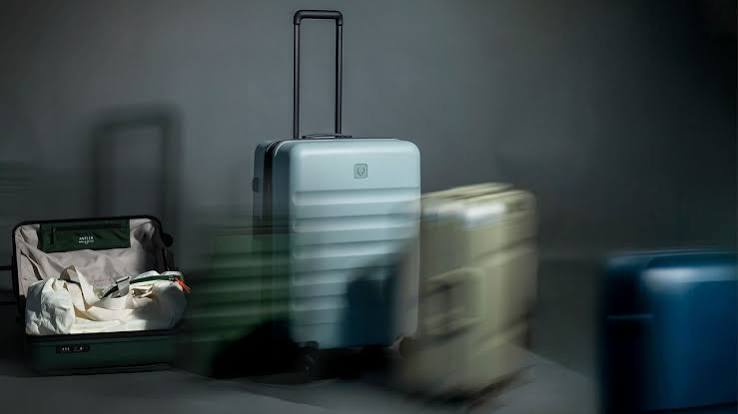
Premium metal cabin luggage has a certain appeal. Its clean lines and solid shape give it a timeless look without feeling overly showy. But a suitcase can look beautiful and still be frustrating to travel with. What really matters is whether your cabin bag fits airline size limits, holds what you need and feels easy to handle when you’re rushing through an airport or lifting it into an overhead locker.
Why Metal Cabin Luggage Appeals to Modern Travellers
There is something distinctive about a metal suitcase. Its defined edges, rigid shell and understated finish give it a different character from conventional fabric or plastic luggage. For travellers who appreciate clean design, these qualities can be part of the appeal.
Aluminium is commonly used in premium hard-shell luggage because it can be formed into a structured outer case. However, metal construction does not automatically mean a suitcase will last longer than every alternative. The quality of the frame, hinges, wheels, handles and closure system also influences how the bag performs over time.
Aluminium can also develop scratches, scuffs and dents through everyday handling. Some travellers see these marks as a record of journeys; others prefer luggage that maintains a more uniform appearance. Neither preference is wrong, but it is worth considering before investing in a metal finish.
Weight is another practical consideration. Aluminium cases can be heavier than some polycarbonate cabin bags, leaving less room within an airline’s weight allowance for clothing and other essentials. A premium design makes sense only when its practical trade-offs suit the way you travel.
What Makes a Cabin Bag Genuinely Practical?
1. Compact dimensions and usable space
A cabin bag needs to fit the airline’s permitted dimensions, including wheels and handles where applicable. Since requirements vary between carriers and ticket types, check the rules for your usual routes rather than relying on a general cabin-size label.
Internal capacity matters just as much. A well-organised interior makes packing much less of a chore. There should be enough room for a change of clothes, toiletries, chargers and travel documents, with everything easy to find when you need it.
2. Wheels and handle comfort
You notice good wheels most when you’re hurrying through a busy terminal or pulling your suitcase along an uneven pavement. It should roll smoothly without veering off in another direction. The handle should feel comfortable to grip and sit at a natural height, even when the bag is full. After all, a suitcase that looks good is far less appealing if it becomes a struggle to move.
If possible, test the case on more than one surface. Airport floors are usually forgiving, but pavements, station platforms and hotel entrances can reveal handling issues that a showroom cannot.
3. Thoughtful interior organisation
Good organisation is about making essentials easy to reach, not adding compartments for their own sake. A laptop sleeve can be useful for business travel, while compression straps help keep clothing in place. Separate pockets can also prevent cables, documents and toiletries from becoming mixed together.
Consider what you actually carry. A traveller who takes frequent overnight trips may prefer a simple interior, while someone travelling for several days may benefit from more structured storage.
4. Closure systems and maintenance
Metal cabin luggage may use latches, combination locks or other closure mechanisms, depending on the model. Examine how these components open and close, whether they feel secure in normal use and how easy they are to maintain.
A lock can help control access, but it does not make a suitcase theft-proof. Equally, sturdy-looking hardware is not a substitute for checking warranty terms and the availability of replacement parts.
When Premium Design Meets Everyday Travel
A premium cabin bag should make ordinary travel tasks feel straightforward. That means a handle that extends without fuss, an interior that is easy to understand and a shell that suits the owner’s expectations of wear.
For travellers exploring metal luggage, the aluminium cabin collection by Navigo offers examples of how this material is used in contemporary cabin designs. The useful approach is to compare individual models by their stated dimensions, materials, weight, storage layout and warranty conditions rather than assuming every aluminium suitcase offers the same features.
It is also worth thinking beyond the initial purchase. Can the wheels or handles be repaired? What does the warranty cover? Are cosmetic damage and ordinary wear excluded? These details help establish whether a suitcase represents sensible long-term value.
Ultimately, good luggage design is personal. Someone who prioritises a light carry may prefer polycarbonate, while a traveller drawn to the structured feel and appearance of metal may find an aluminium case better suited to their preferences.
On a summarising note
The best cabin bag is not necessarily the most elaborate or the most expensive. It is the one that fits your travel routine, holds what you need and moves comfortably through the practical demands of a journey.
A sculpted metal frame can bring a distinctive sense of design to cabin luggage, but lasting satisfaction comes from the details: sensible weight, thoughtful storage, dependable components and manageable maintenance. Before choosing a premium case, look beyond the finish and ask how it will perform on your next early flight, weekend escape or work trip. That is where good design proves its worth.

