

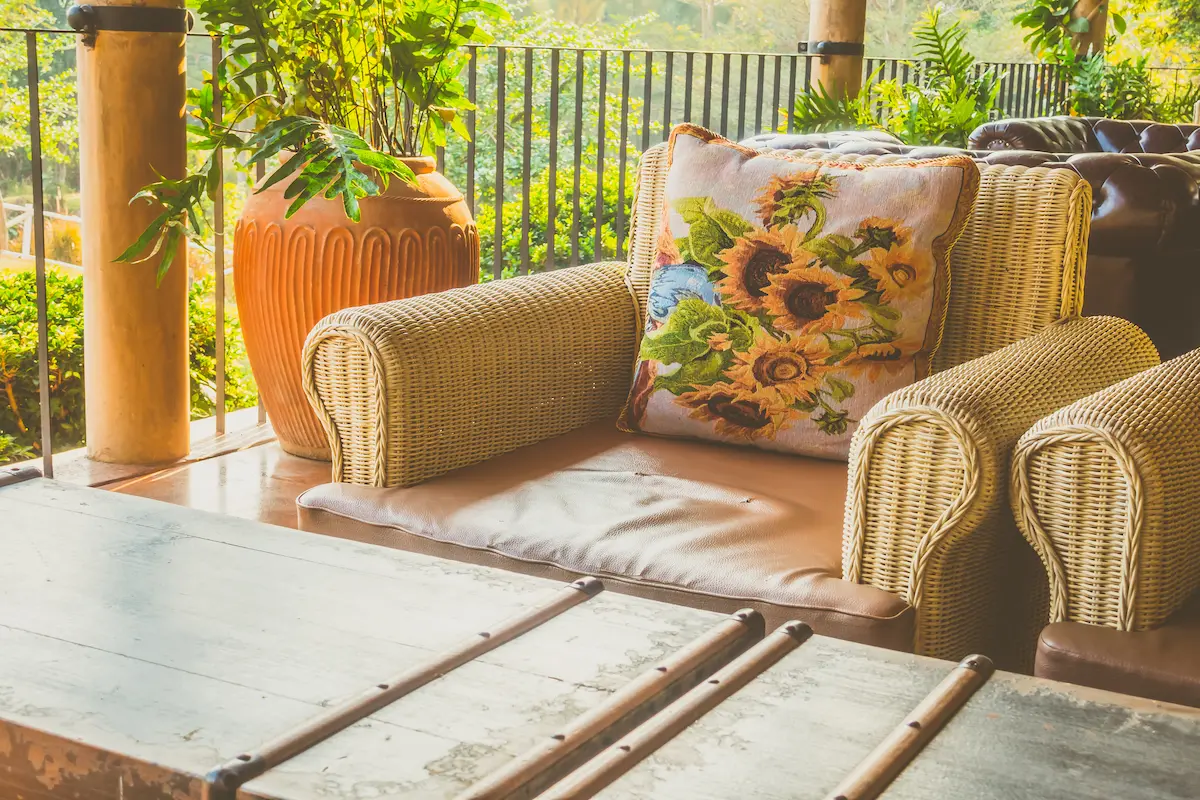
A comfortable home does not always require expensive furniture or major renovations. Small changes in decoration, organization, lighting, and everyday maintenance can make a noticeable difference. The key is to create a space that feels practical, welcoming, and suited to the people who live there.
Whether you are updating one room or improving your entire home, thoughtful choices can help create a better living environment without making the process unnecessarily complicated.
Start With a Clear Plan
Before buying new furniture or decorative items, it is useful to consider what you actually want to improve. Look at each room and identify areas that feel crowded, empty, outdated, or difficult to use.
Creating a simple plan can prevent unnecessary purchases. Consider the purpose of the room, available space, existing furniture, and the type of atmosphere you want to create.
For example, a living room may benefit from better seating arrangements, while a bedroom may need improved storage and softer lighting.
Improve Your Home’s Organization
Good organization can make a home feel cleaner and more spacious. Clutter often makes rooms appear smaller and can make everyday activities less convenient.
Simple organizational improvements include:
- Using storage baskets for small items
- Keeping frequently used objects within easy reach
- Removing items that are rarely used
- Organizing shelves by purpose
- Using furniture that provides additional storage
Decluttering does not mean removing everything from a room. Instead, it means keeping useful items while creating enough open space for comfortable movement.
Choose Decoration Carefully
Decorative pieces can add personality to a home, but too many accessories can make a room feel crowded. A balanced approach usually creates a more attractive result.
Wall art, mirrors, plants, rugs, cushions, and decorative objects can all contribute to the appearance of a room. Try to choose pieces that complement one another rather than selecting every item independently.
Color is another important consideration. Neutral shades can create a calm foundation, while carefully selected accent colors can add character without overwhelming the space.
Pay Attention to Lighting
Lighting can significantly influence how a room looks and feels. Natural light should be used whenever possible, while artificial lighting can provide additional comfort during the evening.
A combination of different lighting sources can work better than relying on a single bright ceiling light. Table lamps, floor lamps, wall lights, and decorative fixtures can create different levels of illumination throughout a room.
Warm lighting can make living areas feel comfortable, while brighter lighting may be more suitable for kitchens, workspaces, and areas where detailed tasks are performed.
Make Rooms More Functional
Good design should not only focus on appearance. A beautiful room that is difficult to use may not provide a satisfying experience.
Furniture should allow people to move comfortably, storage should be accessible, and frequently used areas should remain practical. When arranging furniture, consider how people naturally walk through the room.
Even small adjustments can improve functionality. Moving a chair, changing the position of a table, or adding a storage solution can make a space considerably easier to use.
Add Natural Elements
Plants and other natural elements can bring freshness and visual interest into indoor spaces. Even a few small plants can add texture and make a room feel more lively.
If maintaining real plants is difficult, low-maintenance varieties can be a practical option. Natural materials such as wood, cotton, linen, and woven accessories can also add warmth and texture to an interior.
For additional home and decor inspiration, homeowners can explore resources such as decuradhouse to discover ideas for improving different areas of their living spaces.
Keep Improvements Practical
Home improvement does not need to happen all at once. Working on one room or one problem at a time can make projects easier to manage.
Start with changes that provide the greatest practical benefit. Improving storage, repairing damaged items, updating lighting, or rearranging furniture may have a greater impact than simply adding more decorations.
A thoughtful approach also makes it easier to maintain the home over time. Choose durable products, avoid unnecessary clutter, and select designs that can continue to work as your needs change.
Conclusion
Creating a comfortable home is mainly about finding the right balance between appearance, organization, and functionality. Small improvements can make everyday spaces more enjoyable without requiring a complete transformation.
By planning carefully, reducing clutter, improving lighting, choosing suitable decorations, and focusing on practical design, homeowners can create rooms that are both attractive and comfortable for everyday living.
