

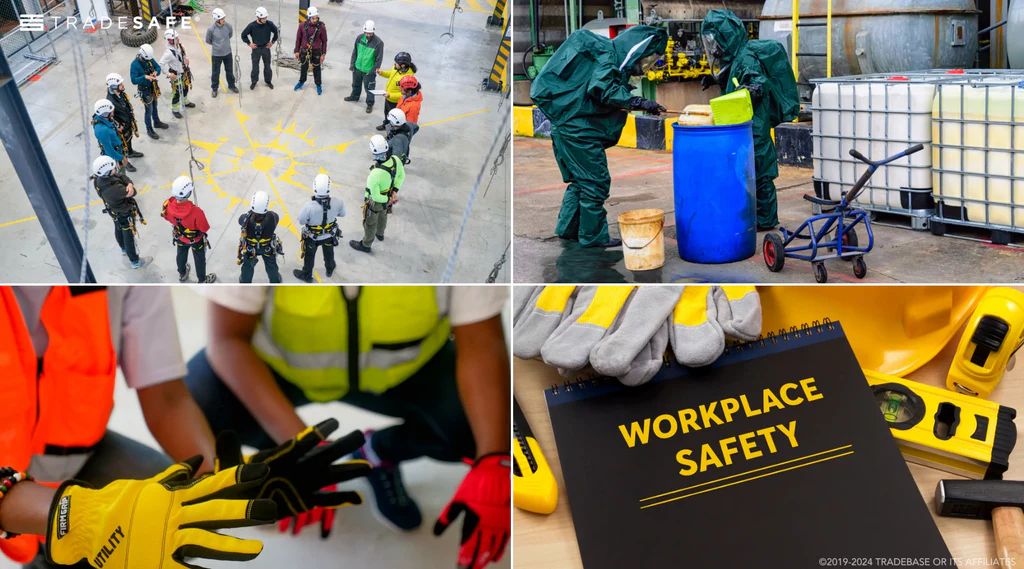
Accidental spills can happen in almost any workplace, from manufacturing facilities and warehouses to laboratories, hospitals, and construction sites. While many spills are relatively minor, others can pose significant risks to employee safety, environmental protection, and business operations if not handled correctly.
A fast and well-organized response can make the difference between a manageable incident and a costly emergency. That’s why businesses across many industries are placing greater emphasis on proper spill preparedness through employee education and emergency response planning.
From what I’ve observed, organizations that invest in practical safety training are often better equipped to respond confidently when unexpected incidents occur, reducing both operational disruption and potential environmental impact.
Why Spill Preparedness Matters
Many workplaces regularly store or use liquids that could present hazards if accidentally released.
Examples include:
- Oils and lubricants
- Industrial chemicals
- Cleaning products
- Fuels
- Paints and coatings
- Hazardous substances
- Food-grade liquids
Even relatively small spills may create slip hazards, damage equipment, contaminate water systems, or interrupt normal business activities.
Preparing employees before an incident occurs helps reduce these risks while improving overall workplace safety.
Understanding Spill Response
Effective spill response involves more than simply cleaning up a spill.
Employees should understand how to:
- Identify the substance involved
- Assess potential hazards
- Protect themselves and others
- Contain the spill safely
- Prevent environmental contamination
- Dispose of waste correctly
- Report incidents according to workplace procedures
A structured response minimizes unnecessary risks while supporting business continuity.
The Importance of Spill Training
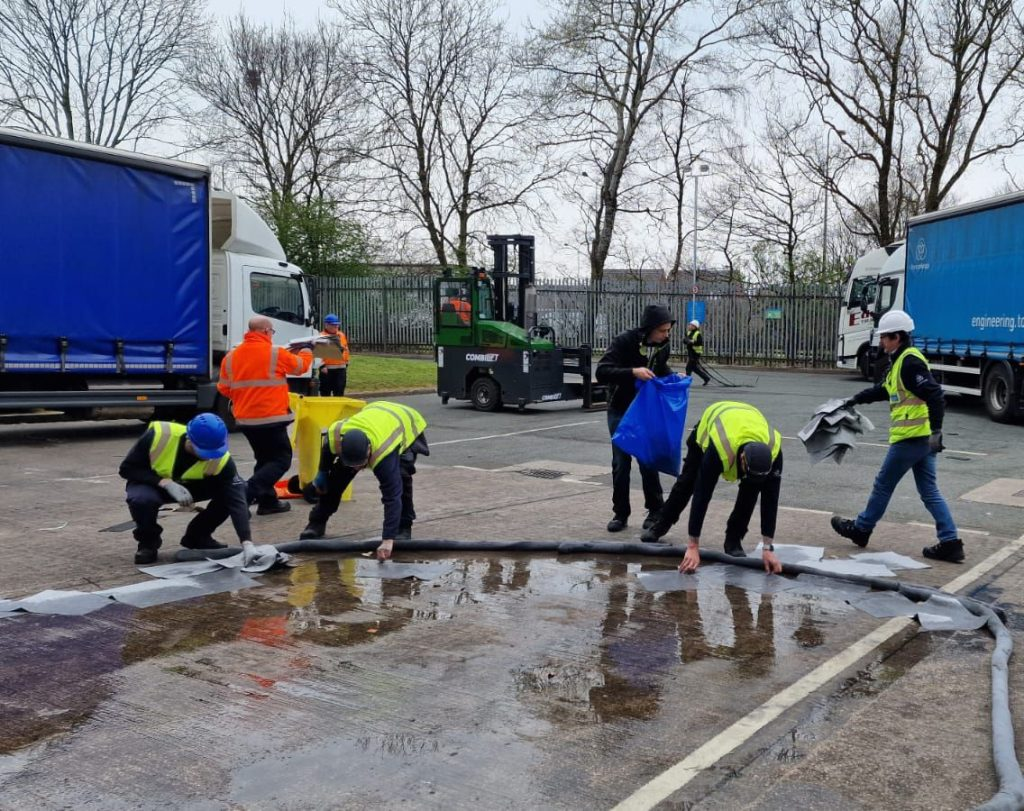
Training provides employees with the knowledge and practical skills needed to respond appropriately during an emergency.
Professional spill training helps staff understand safe response procedures, appropriate use of spill control equipment, and how to minimize risks to people, property, and the environment.
Rather than relying solely on written procedures, hands-on training allows employees to develop confidence through practical learning and realistic scenarios.
Benefits for Employers
Well-planned spill response training provides several important advantages.
Improved Workplace Safety
Employees who understand emergency procedures are better prepared to respond calmly and safely during incidents.
Faster Emergency Response
Quick action can significantly reduce the impact of a spill and limit disruption to normal operations.
Environmental Protection
Proper containment techniques help prevent hazardous substances from entering drainage systems, soil, or waterways.
Regulatory Compliance
Many industries have legal responsibilities relating to workplace safety and environmental protection. Appropriate training helps organizations support these obligations.
Reduced Financial Risk
Prompt spill management can reduce cleanup costs, equipment damage, production downtime, and potential regulatory penalties.
Industries That Benefit from Spill Training
Although spill response is often associated with industrial facilities, many sectors benefit from employee preparedness.
These include:
- Manufacturing
- Warehousing and logistics
- Construction
- Healthcare
- Laboratories
- Food production
- Automotive services
- Agriculture
- Utilities
- Transport and distribution
Each industry may encounter different spill risks, making tailored training particularly valuable.
What Effective Training Should Cover

A comprehensive spill response program should address several key areas.
Hazard Identification
Employees should understand the types of substances used within their workplace and the associated risks.
Risk Assessment
Assessing the size, location, and nature of a spill helps determine the safest response.
Correct Use of Spill Kits
Staff should know how to use absorbents, containment barriers, protective equipment, and disposal materials effectively.
Personal Protective Equipment (PPE)
Appropriate PPE protects employees while reducing exposure to hazardous substances.
Incident Reporting
Accurate reporting supports regulatory compliance and helps organizations improve future emergency planning.
Building a Strong Safety Culture
Training is most effective when supported by an organization-wide commitment to safety.
Employers can strengthen workplace preparedness by:
- Conducting regular emergency drills
- Maintaining accessible spill kits
- Reviewing response procedures periodically
- Updating risk assessments
- Encouraging employees to report hazards promptly
A proactive safety culture helps reduce incidents while improving employee confidence.
Future Trends in Workplace Safety
Technology continues to influence emergency preparedness across many industries.
Emerging developments include:
- Digital safety management platforms
- Mobile incident reporting
- Smart spill detection systems
- Interactive safety training
- Virtual learning modules
- Improved environmental monitoring
These innovations complement traditional practical training while helping organizations enhance overall safety performance.
Practical Tips for Businesses
To strengthen spill preparedness, organizations should:
- Identify potential spill risks throughout the workplace.
- Position spill kits in easily accessible locations.
- Train employees regularly.
- Review emergency procedures after incidents or near misses.
- Ensure all staff understand reporting responsibilities.
- Conduct periodic refresher sessions.
Regular preparation helps ensure that employees remain confident and capable when responding to emergencies.
Conclusion
Accidental spills are an unavoidable risk in many workplaces, but their impact can be significantly reduced through effective planning and employee education.
Proper spill response training equips employees with the knowledge and practical skills needed to protect themselves, their colleagues, the environment, and business operations. By investing in ongoing training and maintaining clear emergency procedures, organizations can strengthen workplace safety, improve regulatory compliance, and create a more resilient working environment for everyone.
