

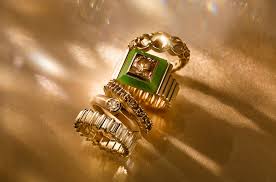
Walk into a jewelry store in 2026 and the conversation has changed. Where buyers once asked about carat weight and clarity, they now ask about origin, supply chain, and environmental footprint. The shift didn’t happen overnight, but its consequences are reshaping one of the most tradition-bound industries in the world. The ethical jewelry movement is no longer a niche — it’s the future of how fine jewelry will be sold, designed, and worn.
Here’s how we got here, where the movement stands today, and what it means for buyers.
The Background: Why the Industry Needed a Reset
For most of the twentieth century, the diamond and gold supply chains operated with limited transparency. Documentaries and journalism in the early 2000s introduced mainstream audiences to the term ‘conflict diamond,’ and the industry responded with the Kimberley Process — a certification system designed to prevent diamonds from financing armed conflict. The Kimberley Process represented progress, but it didn’t address labor conditions, environmental damage, or community displacement, and many industry observers argue it was too narrowly defined to begin with.
Gold mining faced parallel scrutiny. Mercury contamination of waterways, unsafe mining practices in the informal sector, and the environmental cost of extraction became impossible to ignore. The result was a generation of buyers asking harder questions than the industry was used to answering.
The Rise of Transparent Brands
The first wave of ethical jewelry brands focused on traceability — knowing exactly where a stone came from, who mined it, and under what conditions. The second wave introduced recycled metals, eliminating the need for new mining altogether. The third wave, currently underway, has embraced lab-grown diamonds and sustainable production at scale. What unites all three waves is a commitment to documentation: real ethical brands publish their sourcing, certifications, and processes openly.
What ‘Ethical’ Actually Means
The word ‘ethical’ is doing a lot of work in modern jewelry marketing, and not all of it honest. A meaningful ethical claim covers four areas: origin (where the materials come from), labor (who handled them and under what conditions), environment (the impact of extraction or production), and certification (independent verification of the above). A brand making sustainability claims without documentation across these four pillars is making marketing claims, not ethical ones.
The Lab-Grown Diamond Effect
Lab-grown diamonds have accelerated the ethical jewelry movement more than any single innovation in the last fifty years. By offering a chemically and visually identical alternative to mined diamonds — at a fraction of the price and with vastly cleaner supply chains — they’ve forced the rest of the industry to compete on transparency rather than tradition. Major retailers that once dismissed lab-grown stones now stock them prominently. The economics have made the case more decisively than any campaign could.
Younger brands have built entire identities around this shift — J.Collins lab grown diamond jewelry, for example, has positioned its lab-grown line around accessible pricing and transparent sourcing, which reflects where the broader market is heading.
Recycled Gold and the Quiet Revolution
Less discussed than lab-grown diamonds, but equally important, is the rise of recycled gold. The world has more gold above ground than below it — every gold ring melted down or refined returns to the supply chain. Reputable modern brands now use a high percentage of recycled gold in their settings, eliminating the need for new mining entirely. This is one of the simplest and most effective sustainability moves any jewelry buyer can make: ask whether the gold is recycled, and choose brands that say yes.
Certifications to Look For
Several certifications help cut through marketing noise. The Responsible Jewellery Council (RJC) certifies brands that meet ethical sourcing standards. SCS Global Services offers third-party verification of recycled metal claims. For diamonds, GIA and IGI grading reports document a stone’s specifications and, in the case of lab-grown stones, confirm origin. None of these are perfect, but their presence is generally a good signal that a brand is doing more than telling a story.
What Buyers Can Do
Vote with your purchase. Ask brands where their materials come from. Ask whether their gold is recycled. Ask whether their diamonds — mined or lab-grown — come with certification. Walk away from sellers who can’t answer or won’t. The ethical jewelry movement has succeeded because consumers asked harder questions, and it will continue succeeding as long as those questions get louder.
The Direction of Travel
The ethical jewelry movement is no longer optional for serious brands. It’s becoming the baseline. Within the next decade, full supply chain documentation will likely be standard at the mid-range and premium tiers, and lab-grown diamonds will likely account for the majority of new diamond jewelry sold. The industry is being rewritten — quietly, gradually, and decisively. The brands that thrive will be the ones telling the truth about where their materials come from, and the buyers who shape that future will be the ones who keep asking.
