

Most people now interact with artificial intelligence every day without opening a chatbot, writing a prompt, or thinking of the experience as “AI.” A banking app flags a suspicious payment before the user notices it. A streaming platform rearranges recommendations based on half-watched content. A logistics dashboard predicts delays before a human dispatcher intervenes. A healthcare platform prioritizes patients based on risk signals. None of these interactions feel dramatic. Many do not even feel new.
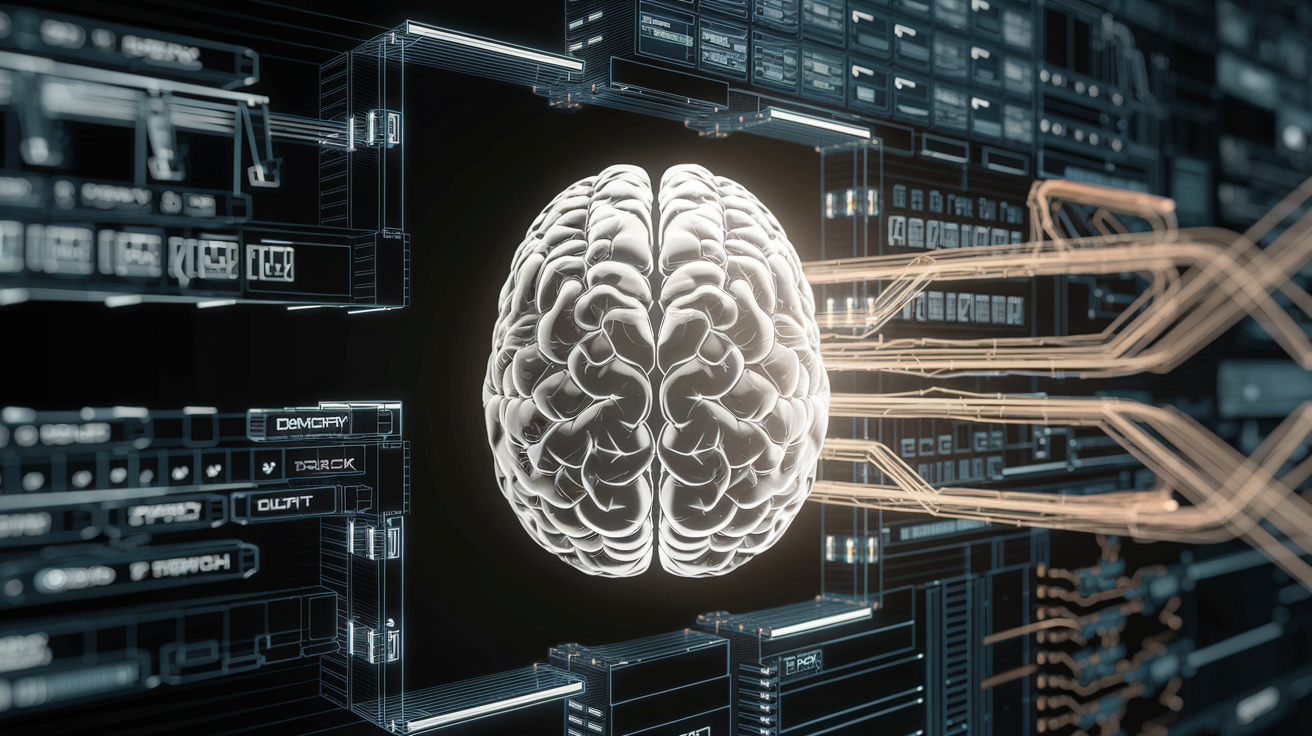
That is precisely the point. Artificial intelligence is moving away from the visible surface of software and into its operating logic. It is becoming an infrastructure layer inside digital products: shaping decisions, adapting interfaces, ranking information, triggering workflows, and automating actions in the background.
The result is a major shift in how software behaves. Traditional applications followed fixed rules: users clicked, systems responded. Modern AI-powered applications increasingly interpret context, learn from patterns, and adjust their behavior dynamically. AI is no longer only a standalone feature. It is becoming part of how software thinks, responds, and evolves.
From Features to System Logic
For years, AI was treated as an add-on. Companies launched recommendation widgets, chatbot assistants, predictive search tools, or automated tagging systems and presented them as separate innovations. These features were visible, easy to explain, and often easy to market.
That model is changing. AI integration in software is becoming less about adding one “smart” feature and more about redesigning how the product operates. In many intelligent software systems, machine learning models influence what users see, what tasks are prioritized, which risks are flagged, and which actions happen automatically.
A customer service platform, for example, may no longer display support tickets in chronological order. It may rank them by predicted urgency, customer value, sentiment, or likelihood of escalation. A sales platform may guide representatives toward accounts most likely to convert. A project management tool may quietly identify blocked workflows or suggest timeline adjustments before a deadline is missed.
In each case, AI is not sitting in a separate module. It is embedded into the logic of the application. The software no longer behaves the same way for every user or every situation. It adapts.
The Hidden AI Systems Behind Modern Platforms
The most familiar example of invisible AI is the recommendation engine. Streaming platforms, ecommerce marketplaces, content feeds, and learning platforms all rely on algorithms that decide which options deserve attention. Users may see a simple list of suggestions, but behind that list is a complex system of behavioral signals, similarity models, ranking rules, and continuous feedback.
Recommendation engines are only one part of the picture. Fraud detection systems analyze transaction patterns in real time, often making decisions before a payment is approved or rejected. Personalization engines adjust layouts, offers, messages, and product flows based on user behavior. Predictive interfaces anticipate what a user may need next, reducing friction by surfacing relevant actions earlier.
Automated prioritization systems are also becoming common. In enterprise applications, AI may sort leads, route support cases, detect compliance anomalies, or identify maintenance risks. These systems do not always announce themselves. They work through ranking, filtering, nudging, and routing.
This is why the AI layer is so influential. It changes what information becomes visible, which tasks receive attention, and how users move through digital environments. Even when the interface looks ordinary, the logic behind it may be deeply adaptive.
Integrating AI Into Operational Software
The deeper transformation begins when organizations move from experimentation to operational AI. A prototype model can classify images, predict churn, or summarize documents. But production AI systems must fit into existing workflows, databases, APIs, permissions, user roles, and business processes.
This is where machine learning development becomes infrastructure work. Models need access to clean and relevant data. Applications need inference pipelines that can process requests quickly. Data systems must support real-time or near-real-time processing. Engineering teams must decide where models run, how often they are retrained, and how predictions are delivered into the product experience.
For organizations building predictive software systems, AI cannot be isolated from the rest of the technology stack. It has to connect with CRM platforms, ERP systems, analytics tools, mobile apps, customer portals, and internal dashboards. This is why companies often evaluate artificial intelligence development services not only as model-building support, but as a way to integrate machine learning into operational software systems where reliability, security, and workflow fit matter as much as accuracy.
A model that works in a notebook is not the same as a model that runs inside a live application used by thousands of people. Operational integration is where AI becomes software.
The Engineering Complexity of Invisible AI
Invisible AI feels simple to users because the complexity is pushed behind the interface. For engineering teams, however, that simplicity is difficult to achieve.
Latency is one of the first challenges. If an AI model influences search results, recommendations, fraud checks, pricing, or workflow routing, it often has to respond in milliseconds. Slow predictions can damage the user experience or interrupt a business process. Scalability creates another problem: a model that performs well for 1,000 users may behave very differently under millions of requests.
Data quality is equally important. Intelligent automation depends on reliable inputs. If customer records are incomplete, product metadata is inconsistent, or transaction data is fragmented, machine learning infrastructure will produce weak or misleading outputs. AI systems often expose old data problems that organizations had managed to ignore.
There is also the question of monitoring. Traditional software monitoring tracks uptime, errors, and performance. AI systems require additional checks: model drift, prediction accuracy, bias, unexpected outputs, and changing behavior over time. A model that was accurate six months ago may become unreliable as user behavior, markets, or data patterns shift.
Legacy integration adds another layer of difficulty. Many enterprises want adaptive digital platforms, but their core systems were not designed for real-time AI. Engineering teams must bridge old databases, modern APIs, cloud services, security constraints, and model-serving environments. This is one reason organizations building enterprise AI solutions increasingly need cross-functional teams that understand software architecture, data engineering, machine learning, product design, and long-term maintenance.
The hardest part is not making AI visible. It is making it dependable enough to disappear.
Why Users Rarely Notice the AI Layer
The most successful AI systems often do not feel like AI at all. They feel like convenience. The right document appears faster. The next step in a workflow is already suggested. A risky transaction is stopped. A dashboard highlights the anomaly that matters. A form fills itself based on previous behavior.
This invisibility is not accidental. In many software products, visible AI can create friction. Users may not want to “use AI.” They want to complete a task, make a decision, reduce uncertainty, or save time. When AI becomes embedded into workflows, it supports those goals without demanding attention.
There is also a trust dimension. Users may be more comfortable with AI when it improves the system quietly rather than asking them to delegate everything to an autonomous agent. A predictive scheduling tool, for example, may be accepted more easily than a fully automated manager. A fraud alert may feel useful, while an opaque decision system that blocks access without explanation may feel intrusive.
This creates a design challenge for AI-powered applications. The system should be intelligent enough to improve outcomes, but transparent enough to remain understandable. Invisible does not mean unaccountable. Good AI software development services increasingly focus on explainability, user control, and human oversight, especially in domains where decisions carry financial, operational, or personal consequences.
The Future of Adaptive Software Systems
The next stage of AI in software will likely be less about isolated tools and more about adaptive operating environments. Applications will not simply store information or execute commands. They will observe patterns, anticipate needs, and coordinate actions across systems.
In business software, this may lead to autonomous operational workflows. Procurement systems could detect supply risks and suggest alternative vendors. Finance platforms could identify cash-flow issues before they appear in monthly reports. HR systems could anticipate workforce gaps. Customer platforms could adjust engagement strategies based on real-time signals.
Adaptive interfaces will also become more common. Instead of showing every user the same menus, dashboards, and pathways, software will increasingly adjust based on role, behavior, context, and intent. A new user may see guidance and simplified flows. An expert user may see shortcuts, advanced controls, and predictive recommendations. The interface itself becomes responsive to the user’s working style.
At the infrastructure level, machine learning infrastructure will become a standard part of digital platforms, much like authentication, analytics, and cloud hosting are today. Companies will need pipelines for data preparation, model deployment, monitoring, governance, and continuous improvement. AI software development company teams will be judged not only by whether they can build models, but by whether they can make those models stable parts of production environments.
This is where intelligent enterprise platforms are heading: toward systems that are not merely digital, but adaptive.
Conclusion
Artificial intelligence is changing software in a quieter and more structural way than the public conversation often suggests. The most important shift is not the rise of chatbots or the appearance of AI-branded features. It is the gradual embedding of AI into the everyday logic of modern applications.
Recommendation engines, predictive workflows, fraud detection systems, personalization layers, adaptive interfaces, and intelligent automation are already reshaping how digital products behave. Users may not always notice the AI layer, but they experience its effects through faster decisions, more relevant interfaces, automated actions, and software that feels increasingly responsive to context.
This transformation also raises new engineering demands. Production AI systems require reliable data, scalable infrastructure, monitoring, governance, and careful integration with existing software environments. The future of AI will not be defined only by smarter models. It will be defined by how well those models become part of the systems people and organizations already depend on.
Modern software is moving from static tools to adaptive digital systems. AI is becoming the invisible layer that makes that shift possible.
