

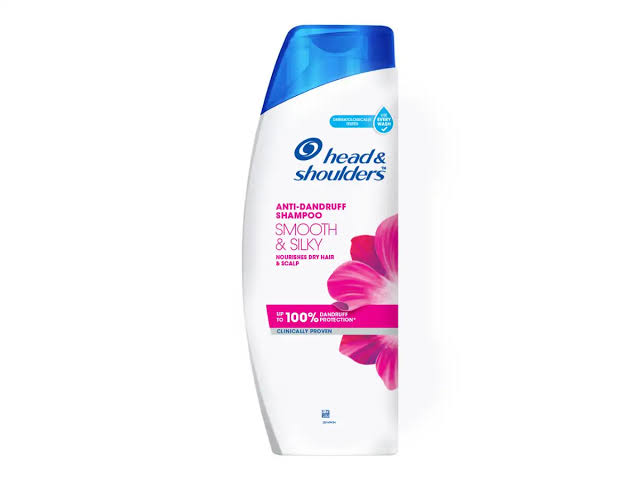
When it comes to hair health, everything begins at the root. After all, if the soil of a plant is unbalanced, the rest of the plant will suffer – and the same is true for your hair. Your scalp is where hair is rooted. Nurturing and keeping healthy scalp means the ultimate key to healthy hairs. Regular shampoos primarily clean the hair shaft. A dedicated scalp cleanser targets the root issues that standard washing leaves behind.
The way a face wash is the basic foundation of skin care, similarly, a dedicated scalp cleanser is the base of hair care routine. Healthy scalp directly means healthy hair. If the scalp is healthy, the products would penetrate better and perform their action to the best level.
Why Do You Need A Dedicated Scalp Cleanser?
- A dedicated scalp cleanser is needed to achieve a healthy scalp and ultimately healthy hair.
- It unclogs the hair follicles by removing trapped dead skin, bacteria and hard water minerals.
- Product absorption becomes better since the scalp is clear and does not have clogged pores. The products penetrate better and perform their best action.
- While using a scalp cleanser, often involves massaging the scalp. It boosts microcirculation. It facilitates delivering oxygen and nutrients directly to the hair roots.
- It balances the scalp sebum and oil production. It helps facilitate removal of dirt and also leaves the scalp feeling fresh and healthy.
- Cleansing helps avoid unwanted scalp related issues.
How To Select A Dedicated Scalp Cleanser
In order to select a dedicated scalp cleanser one must keep the following points in their mind
- The scalp type they bear
- The ingredients of the product one selects to use
- The type of hair strands one have
We shall be discussing these points in detail further.
Choose the scalp cleanser strictly based on scalp type. Following are the types
- Oily scalp: This type of scalp starts to feel greasy, flat and sticky within just one or two days of washing. Hair wash is required every second day.
- Dry scalp: Feels tight, itchy or irritated. It lacks moisture. It often produces tiny dry white flakes which are often confused with dandruff, but actually it is not dandruff in reality. This is merely a natural property of the hair scalp. Cleansing once or twice a week is enough.
- Normal scalp: Balanced, produces right and required amount of sebum. Cleansing frequency is 2-3 times a week.
- Sensitive scalp: This scalp type is usually hyperactive and reacts aggressively towards even small stimuli.
In order to select the cleanser one must look for the following ingredients in the product
- For Oily Scalp choose a clarifying cleanser which is able to remove the oil from the scalp efficiently and leave the scalp feeling oil free for at least 48-72 hours. One could select the products with salicylic acid, tea tree oil or clays (such as bentonite and kaolin ) etc to ensure proper removal of excess oil and sebum production.
- For Dry Scalp choose moisturizing or creamy type cleanser which would provide good cleansing action without causing any further dryness. The ingredients one must look for could be aloe vera, hyaluronic acid and coconut oil etc.
- For Normal scalp any cleanser would work good. The primary goal would be to achieve a clear scalp without actually disrupting the natural oil balance and microbiome. Cleansers with mild surfactants and clarifying agents such as cocamidopropyl betaine would stand out to be the best choice.
- For Sensitive scalp Choose cleanser that would perform the primary action of cleansing without actually further triggering the scalp. Incorporating cleansers with ingredients such as panthenol and mild surfactants would work best.
Based on the type of hair
- For curly, coily or textured hair use low foaming, moisture rich cleansers with ingredients like glycerine, shea butter and hyaluronic acid etc.
- For fine or thinning hair use products with lightweight ingredients like biotin that strengthen the weak strands without weighing the hair down. One should avoid heavy and creamy products.
- For damaged or heat treated hair use products with repairing formulas. Look for ingredients like keratin, protein and amino acids that would rebuild and strengthen the hair cuticles.
- For color treated hair use specifically formulated color safe cleansers. These generally are sulfate and paraben free and prevent color fading making the color stay long.
One must strictly avoid using products with harsh surfactants and chemicals such as, Sodium lauryl sulfate, ammonium lauryl sulfates etc. Use cleansers with gentle surfactants such as cocamidopropyl betaine and decyl glucoside. Just like choosing the best face wash, it is necessary to choose a good scalp cleanser too.
How To Use A Scalp Cleanser?
- Dry brush and detangle your hair thoroughly.
- Apply any lightweight oil of your choice. Let it be for at least 30 minutes.
- Saturate the hair completely with lukewarm water for at least 1 minute.
- Take a small amount of scalp cleanser into your hands. Part your hair and apply the product directly to the scalp rather than the ends of your hair.
- Wash all products out by thoroughly scrubbing the cleanser into your scalp using small, circular and zig-zag motions. Do it for at least 1-3 minutes
- You really don’t need to go up to the tips of your hair to clean it. When you’re rinsing your hair, just let the suds run down to the tips as you squeeze the water out with your hands.
- Rinse in cool or warm water. Leave an extra moment near your neckline and the nape of your neck, being sure that there is absolutely no trace of residue remaining.
- Follow up with a good conditioner to seal in the moisture.
In order to maintain hair health, everything begins at the root. After all, if the soil of a plant is unbalanced, the rest of the plant will suffer and the same is true for your hair. Your scalp is where hair is rooted. Therefore keeping your roots healthy will ultimately make your hair healthy. Hence a paraben-free scalp cleaner is all where the journey towards strong hairs begins.
