

Smartwatch charging has come a long way. Back in 2013, the original Pebble smartwatch used a magnetic charging cable with metal contacts, helping the watch maintain a water-resistant design without a traditional charging port. Two years later, the first Apple Watch took a different approach, using magnets to align a wireless inductive charger.
Today, magnetic charging is common across wearable devices. So why has magnetic charging become such a practical choice for smartwatches, and what makes these small charging systems work reliably?
Common Types of Smartwatch Magnetic Charging
Magnetic charging uses magnets to help a charger attach to a smartwatch, usually at the back of the device. However, the magnets themselves do not transfer electricity. Depending on the design, power reaches the watch through metal contacts or electromagnetic induction.
Magnetic Contact Charging
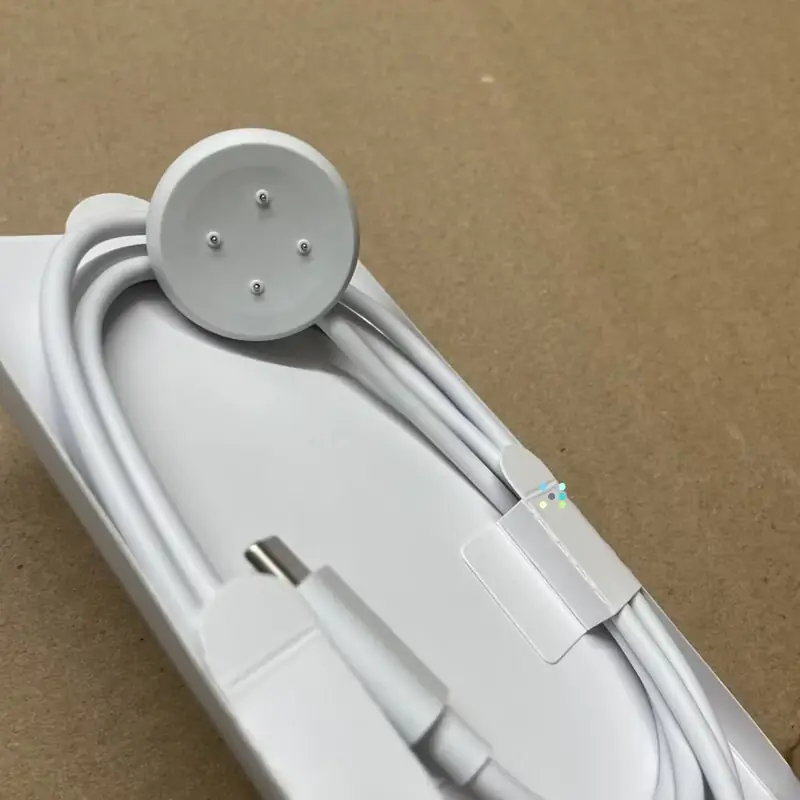
In contact-based magnetic charging, the charger connects to exposed metal contacts on the smartwatch. Magnets help position the charger so that its pins line up with the corresponding contacts on the device. Once connected, electricity flows directly through these metal parts.
The Google Pixel Watch 3 is a good example. It uses a magnetic charging cable with four metal pins that align with four charging contacts on the back of the watch. The Fitbit Charge 5 uses a similar principle, with a magnetic cable that attaches to the back of the fitness tracker.
Some charging connectors use spring-loaded pins, commonly known as pogo pins. These small components maintain contact pressure and help keep the electrical connection stable despite slight differences in positioning.
This design allows manufacturers to provide a compact charging interface without adding a conventional plug-in port to the watch.
Magnetic Wireless Charging
Magnetic wireless charging works differently. Instead of transferring electricity through exposed metal contacts, it uses electromagnetic induction.
The charging pad contains a transmitter coil that generates a changing magnetic field. A receiver coil inside the smartwatch converts energy from this field into electrical power, which is then used to charge the battery. Magnets help keep the coils properly aligned.
The Apple Watch is a familiar example. Since its introduction in 2015, Apple has used magnetic alignment with inductive charging, allowing the watch to connect to its charger without exposed electrical contacts.
Why Smartwatches Use Magnetic Charging Instead of Traditional Ports
A Smaller Charging Interface
Smartwatches have limited space for batteries, sensors, and other electronic components. A traditional USB-C port takes up room inside the housing and requires an opening for the connector. Magnetic charging avoids this socket, allowing designers to use small surface contacts or place wireless charging components inside the watch.
Removing the charging port also makes waterproofing easier. Without a socket opening, there are fewer areas that require additional sealing against sweat and water. This is especially useful for smartwatches designed for exercise, swimming, and everyday wear.
Easier Everyday Charging
Magnetic charging makes connecting a smartwatch to its charger straightforward. Instead of finding a small port and inserting a cable, users simply bring the charger close to the watch. Magnetic attraction helps guide it into position and hold it in place during charging.
This is particularly convenient for a device that people regularly remove and recharge. The charger can also be detached without pulling a plug out of a small socket.
Different Wear
Traditional charging ports experience mechanical stress from repeated plugging and unplugging. Over time, this can wear down the connector or loosen the connection.
Magnetic charging avoids this type of insertion wear. However, contact-based chargers still experience some wear where the metal pins meet the watch’s charging contacts. Wireless magnetic chargers eliminate that electrical contact altogether, although their external charging surfaces can still experience normal physical wear.
The Materials Behind Magnetic Charging
In contact-based magnetic charging, the small metal terminals play an important role in maintaining a stable electrical connection. These components must conduct electricity efficiently while withstanding repeated charging cycles.
That’s why the choice of metal matters. Copper alloys are often used in charging connectors because they offer a good balance of electrical conductivity and mechanical strength. The specific material depends on the contact design, including whether it needs to remain fixed or withstand repeated movement.
The metal surface is just as important. Many charging contacts have a thin protective coating, such as gold plating, to help resist corrosion and maintain a stable connection.
Wireless charging systems have different material requirements. They use conductive coils, electrical insulation, and magnetic materials to help manage the magnetic field and transfer energy efficiently.
For devices worn on the wrist every day, material selection makes a real difference. Sweat, moisture, and dirt can accumulate around exposed contacts, while charging coils and other internal components must remain properly protected inside the housing.
How Magnetic Charging Connectors Are Made
Contact-based magnetic chargers contain several small components, including metal contacts, plastic housings, and magnets. Each serves a different function, so manufacturers use a combination of processes to produce and assemble them.
Metal Contacts: Fixed metal terminals are commonly produced through metal stamping, while some precision contacts are made using CNC turning. Spring-loaded pogo pins require additional components, including tiny springs and moving pins, which are assembled to create a flexible electrical connection.
Plastic Housings: Injection molding is widely used to make the small plastic bodies that hold charging contacts in place. Some connector designs use insert molding, where metal terminals are placed inside the mold before plastic is injected around them. This allows the metal and plastic to form an integrated component, reducing the need for separate assembly steps.
Magnets: Small permanent magnets help the charger attach to the watch and align the charging contacts. They are manufactured separately and then fitted into the charging assembly.
Wireless charging systems require a different internal structure, including charging coils and electronic components. These parts are assembled within the charger and smartwatch rather than relying on an exposed electrical connection.
Keeping Smartwatch Charging Reliable Over Time
A magnetic charger needs to work reliably through months or years of daily use. That depends not only on how it is designed and manufactured, but also on how people use and care for it.
Reliability Through Design and Testing
Reliable contact charging starts with durable materials and precise component design. Corrosion-resistant metal contacts help maintain electrical performance, while the plastic housing keeps them securely positioned. Spring-loaded pins provide consistent contact pressure through repeated charging cycles.
Wireless charging introduces different considerations. The charging coils must remain properly aligned, and the system must manage heat generated during power transfer.
Durability is evaluated through tests such as repeated connection cycles, temperature cycling, and moisture exposure. Electrical performance and charging temperature are also checked under defined operating conditions. These tests help identify potential problems with wear, corrosion, heating, and connection stability before the product reaches users.
Simple Habits That Help Prevent Charging Problems
Even a well-made charger can develop problems if its contacts become dirty or wet. Sweat, dust, and skin oils can build up on the watch and charger, especially after exercise.
Keeping the charging surfaces clean and dry helps maintain a stable connection. Garmin, for example, advises users to clean and dry charging contacts before connecting the charger to help prevent corrosion.
Wireless charging surfaces should also be kept clean and free of objects that interfere with proper alignment. Using the correct charger and checking that the watch is properly positioned can also prevent unnecessary charging interruptions.
Conclusion
From the early Pebble smartwatch to today’s wearable devices, magnetic charging has made everyday charging easier and more convenient. Contact-based and wireless systems achieve this in different ways, but both address the challenges of compact design, daily use, and reliable power delivery.
Behind each simple magnetic connection is a combination of engineering decisions, from charging technology and material selection to manufacturing and long-term durability.
